

Why the Purchase Price Is Just the Starting Point
When buyers calculate what a home will cost, most focus on the down payment and monthly mortgage payment. Both matter - but they don't tell the complete story. A wide range of fees, taxes, insurance costs, and reserves come due before, at, and shortly after closing, and underestimating them is one of the most common financial mistakes in the home-buying process.
Understanding these costs in advance doesn't just prevent unpleasant surprises - it shapes which homes are realistically within your reach. Working with a qualified agent also helps clarify what to expect at each stage. See how buyer's agents work and what to expect from them for a clear breakdown of that relationship.
Below are the cost categories that buyers most frequently underestimate.
Closing Costs
Closing costs are among the largest surprise expenses buyers face. They typically range from 2% to 5% of the loan amount and include lender origination fees, appraisal fees, attorney fees (in states where required), and prepaid interest. On a $350,000 home, that's potentially $7,000-$17,500 due at settlement - separate from your down payment.
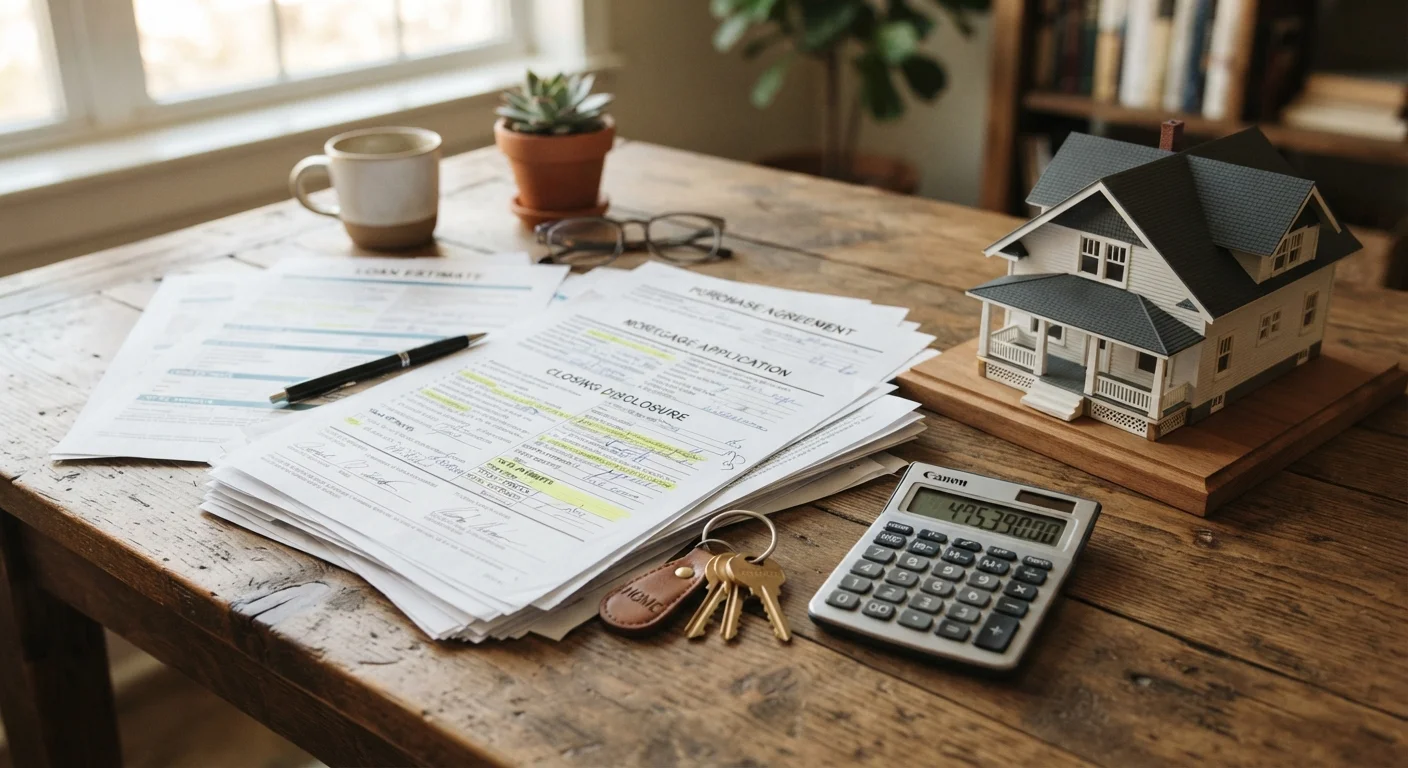
Reviewing your Closing Disclosure before you sign is the most reliable way to understand every line item ahead of time.
Closing costs can add $7,000-$17,500 to a $350,000 purchase - separate from your down payment.
Home Inspection and Appraisal Fees
Most lenders require a professional appraisal to confirm the home's market value; buyers typically pay $300-$600 out of pocket before closing. A separate home inspection - which is distinct from the appraisal - is highly advisable and costs $300-$500 depending on home size and location.
If the inspector uncovers issues, you may also need specialist evaluations: a radon test, sewer scope, mold assessment, or structural engineer review. Each adds to the pre-closing tab and is non-refundable if the deal falls through.
Inspection and appraisal fees are non-refundable - budget for them before you make an offer.
Title Insurance and Search Fees
Title insurance protects against claims on the property arising from past liens, ownership disputes, or clerical errors in public records. Lenders require a lender's title policy; buyers are strongly advised to purchase a separate owner's policy. Combined, these can cost $1,000-$2,500 or more, depending on purchase price and state.
A title search - the process of reviewing ownership history - is usually bundled with title insurance but may appear as a separate line on your Closing Disclosure.
Owner's title insurance is optional but protects your equity against claims that surface after purchase.
Escrow Setup and Prepaid Expenses
At closing, lenders typically require buyers to fund an escrow account covering the first several months of homeowners insurance and property taxes. This ensures bills are paid on time and protects the lender's collateral. Expect to prepay 2-3 months of property taxes and a full year of homeowners insurance premium at closing.
These prepaid costs are easy to overlook because they don't appear in the purchase price negotiation but can run into thousands of dollars on closing day.
Lenders often require months of property taxes and a full year of insurance funded at closing.
Homeowners Insurance
Homeowners insurance is required by virtually all mortgage lenders. Annual premiums vary widely based on location, home age, construction type, and coverage level, but national averages have trended upward in recent years - particularly in areas prone to flooding, wildfires, or severe storms. In high-risk zones, separate flood or windstorm policies may be mandatory and can add meaningfully to annual costs.
Get insurance quotes before you finalize your offer so the premium factors into your affordability calculations.
In high-risk areas, mandatory flood or windstorm policies can substantially raise your annual insurance costs.
Property Taxes
Property taxes are assessed annually by local governments and vary dramatically by state and municipality. What a seller currently pays may not reflect what you'll owe - many jurisdictions reassess at time of sale, which can push the tax bill higher. Research the effective tax rate for the specific address, not just the county average, and factor the monthly equivalent into your housing cost calculations.
Property taxes are often reassessed at sale - what the seller paid may not reflect your future bill.
HOA Fees and Special Assessments
If the property belongs to a homeowners association, monthly dues can range from under $100 to several hundred dollars - or more for luxury buildings and communities with extensive amenities. More unpredictably, HOAs can levy special assessments for major repairs (roofing, elevator replacement, repaving) that aren't covered by reserve funds. Review the HOA's financial statements and reserve study before purchasing.
HOA special assessments for major repairs can arrive without warning and run into thousands of dollars.
Moving Costs and Immediate Repairs
Professional movers for a local move typically cost $1,000-$3,000; long-distance moves can run far higher. Many buyers also discover that a home needs immediate attention after move-in - new locks, paint, appliance replacements, or deferred maintenance the seller disclosed. Budgeting a separate reserve of 1-2% of purchase price for the first year of ownership is a widely cited rule of thumb among real estate professionals.
For a broader look at how surprise expenses derail even well-prepared budgets, see the hidden costs that derail even careful budgets.
Budgeting 1-2% of purchase price for first-year repairs and maintenance reduces financial stress after closing.
Ask for a Seller Credit at Negotiation
In some market conditions, buyers can negotiate a seller credit toward closing costs as part of the purchase agreement. This doesn't lower the purchase price but reduces the cash you need at the closing table. Discuss with your agent whether this strategy makes sense given local market dynamics.
Building a Realistic Budget Before You Make an Offer
The expenses covered above are not edge cases - most buyers encounter all of them. The practical implication is that cash reserves should comfortably exceed the down payment amount. A home requiring a $40,000 down payment may also demand $10,000-$20,000 more in closing costs, prepaid escrow, inspections, and first-year reserves.
Loan Estimate vs. Closing Disclosure
After applying for a mortgage, lenders are required to provide a Loan Estimate within three business days detailing projected closing costs. You'll receive the final Closing Disclosure at least three business days before settlement. Comparing the two documents line by line can reveal fee increases that may be worth questioning or negotiating.
If you're weighing whether to continue renting while you build savings, renting smart offers practical context on that decision. And if competitive market conditions are a concern, understanding why buyers lose out in competitive markets can help you approach offers more strategically.
This article is for general informational purposes only and does not constitute financial, legal, or tax advice. Consult a licensed real estate professional, attorney, or financial adviser regarding your specific circumstances.