

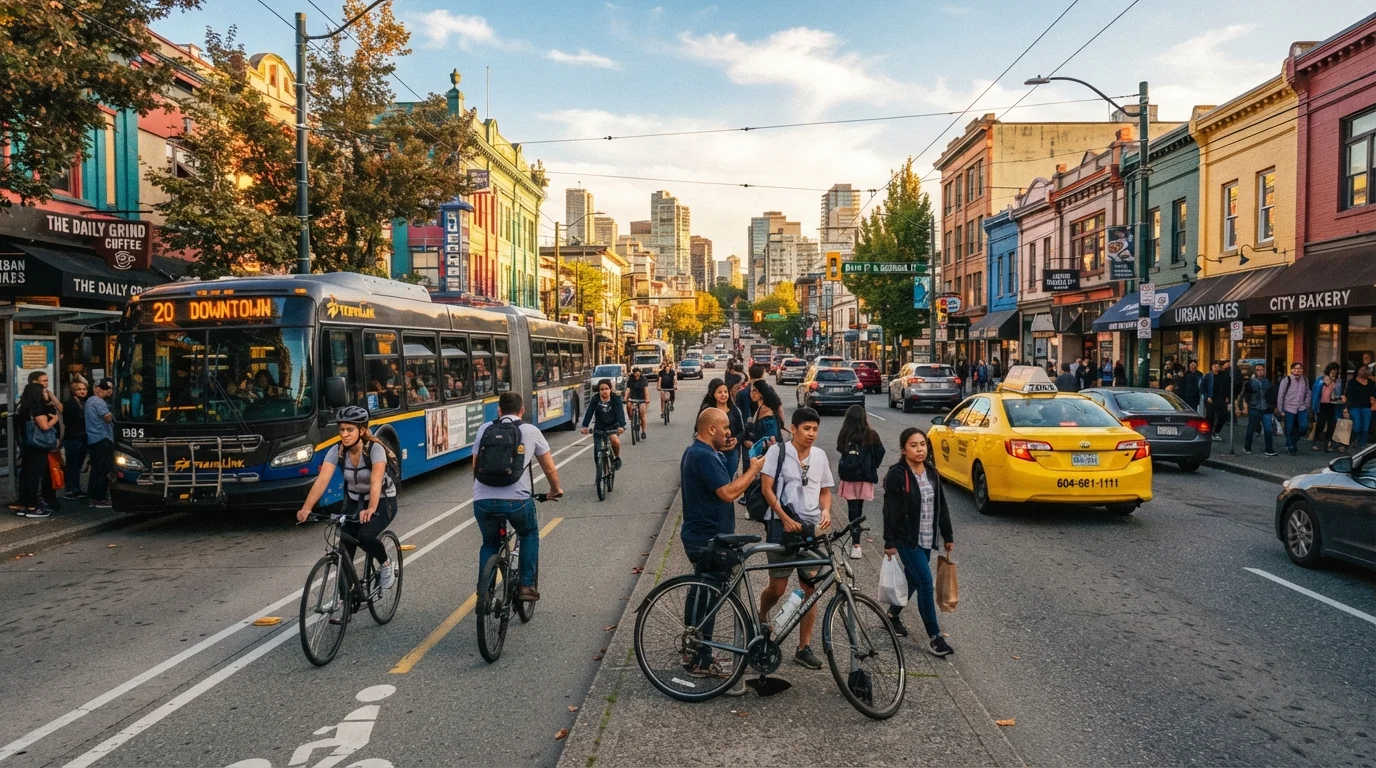
Why In-Destination Transportation Deserves Its Own Budget Line
Most travelers obsess over flights and hotels, then get surprised when taxi rides and airport transfers quietly eat 15-20% of their daily spend. Ground transportation within a destination is controllable - but only if you plan it deliberately. This guide breaks down every major mode so you can match your method to your itinerary and your budget.
For a broader look at the trade-offs budget travel involves, see our overview of budget travel trade-offs. And before you pack, run through our pre-trip cost-control checklist to lock in your transportation approach in advance.
| Cheapest typical in-city option | Public transit (bus or metro) |
| Average US metro single transit fare | $1.50-$3.00 per ride (American Public Transportation Association) |
| Best for rural or park destinations | Rental car |
| Hidden rental car cost multiplier | Up to 2× daily rate after fees (Includes insurance, fuel, parking, and tolls) |
| Typical bikeshare day pass cost | $10-$15 in most US cities |
| Biggest airport transportation mistake | Taking a taxi when transit is available |
Mode-by-Mode Breakdown: Costs, Pros, and Limitations
Public Transit (Bus, Metro, Tram)
Public transit is almost always the most cost-effective option in cities that have it. Single-ride fares in major US cities typically range from $1.50 to $3.00; many international cities are cheaper still. Multi-day passes frequently cut per-ride costs by 40-60%. The trade-off: transit requires learning route maps and schedules, and it rarely runs door-to-door.
Rideshare and Taxis
Rideshare apps provide transparent upfront pricing, which makes budgeting predictable. Metered taxis vary by city and can be significantly more expensive if you don't confirm rates before entering. Either option makes sense for late nights, heavy luggage, or destinations not served by transit - not as a default mode.
45%
Of US travelers underestimate ground transport costs
According to the US Travel Association's consumer travel research, in-destination transportation is among the most commonly underbudgeted travel expense categories.
3-5×
Cost difference: taxi vs. transit for same urban trip
In most major US and international cities, a metered taxi or rideshare for a 3-5 mile urban trip costs several times more than the equivalent transit ride.
Rental Cars
Renting a car makes sense when you're exploring rural areas, national parks, or regions where public transit doesn't reach. However, the daily rate is only the starting point: insurance, fuel, parking fees, and tolls can double your effective cost. In dense cities, a car often costs more and slows you down. Always verify that your destination's parking situation is manageable before committing.
Bikes and E-Scooters
Docked bikeshare programs and e-scooter rentals are widely available in mid-to-large cities. They're inexpensive for short trips (often $1-$3 per ride or $10-$15 for a day pass) and let you skip traffic entirely. Helmets may or may not be provided; check local laws before riding. These are a poor fit for long distances, bad weather, or destinations with aggressive traffic.
Walking
Free, flexible, and the best way to discover a place at street level. A walkable accommodation location - often worth paying a little more for - can eliminate entire transportation categories from your budget.
Strategies That Apply Regardless of Mode
A few habits will save money across every transportation choice you make:
- Buy passes over single rides when you'll use transit more than three times per day - the math almost always favors a day or multi-day pass.
- Avoid airport-adjacent taxis and rental counters where pricing is structurally inflated. Transit from airports is frequently a fraction of the cost.
- Use offline maps (such as downloaded city maps in a navigation app) to navigate public transit confidently without roaming data charges.
- Ask your accommodation about transit - many guesthouses and hotels provide free transit cards, bike loans, or shuttle services that don't show up in booking descriptions.
- Cluster your itinerary geographically so you're not crossing the city repeatedly. One wasted rideshare trip per day adds up to real money over a week.
If you're weighing domestic trips against international ones, transportation logistics differ meaningfully - see our domestic vs. international budget travel comparison for what to account for at each destination type.
Docked Bikeshare
A city-operated bicycle rental system where bikes are picked up and returned to fixed stations throughout the city. Pricing is typically per ride or via a daily/weekly pass.
Transit Pass
A prepaid card or ticket granting unlimited or discounted rides on public transportation (bus, metro, tram) within a set time period. Often the most cost-effective option for frequent riders.
Deadhead Cost
The total expense of a transportation trip that produces no direct value - for example, driving a rental car across town just to park it while you tour on foot. Minimizing deadhead costs is key to transportation budgeting.
Airport Transfer
Any ride between an airport and your accommodation - by taxi, rideshare, shuttle, or transit. Airport transfers are a common budget leak because they're urgent and travelers are unfamiliar with local options at arrival.
Rideshare Surge Pricing
A dynamic pricing model used by rideshare apps that raises fares during periods of high demand (rush hour, late night, bad weather). Waiting 10-15 minutes after a surge is detected can significantly lower the quoted fare.
Transportation costs, availability, and regulations vary by destination and can change. Verify current fares, rules, and safety conditions with local transit authorities or official tourism resources before you travel.