
Why Travel Stress Is More Common Than You Think
For many Americans, travel is something to look forward to - but it can also be a significant source of stress. Crowded terminals, TSA lines, flight delays, unfamiliar surroundings, and the pressure to enjoy every moment can all combine into a taxing experience. Research consistently shows that travel-related anxiety is widespread, affecting both frequent flyers and occasional travelers alike.
Anxiety during travel isn't a character flaw or weakness. It's a normal psychological response to uncertainty, sensory overload, and loss of familiar routine. The good news: most travel stress is manageable with the right preparation and self-awareness. Whether you're navigating a packed security checkpoint or adjusting to a new time zone, understanding your stress response is the first step toward managing it. For a strong foundation, see our guide to the core phases of trip planning.
Travel Stress vs. Anxiety Disorder: An Important Distinction
Feeling stressed before or during travel is normal and situational for most people. An anxiety disorder - such as generalized anxiety disorder, panic disorder, or a specific phobia - is a clinical condition that typically requires professional evaluation and support. This article addresses general travel stress management strategies for the broad population of travelers. If your anxiety is severe, persistent, or significantly disrupts daily functioning, please consult a qualified mental health professional for personalized guidance.
Strategies to Protect Your Mental Wellbeing on Any Journey
Prepare thoroughly before you leave home
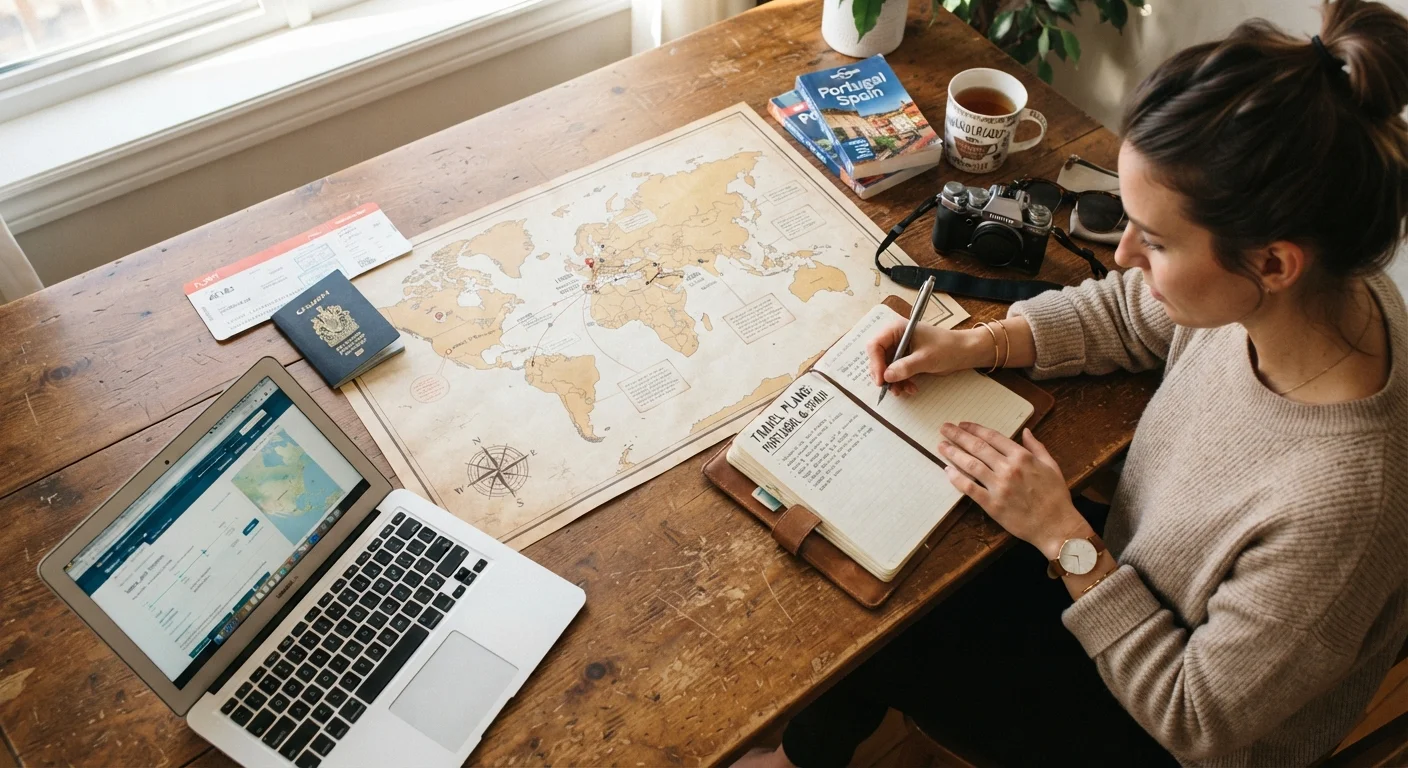
Uncertainty is one of the primary drivers of travel anxiety. The more you know in advance - your departure terminal, TSA rules, boarding procedures, local transportation options - the fewer surprises await you. Review our pre-trip checklist to ensure documents, bookings, and health essentials are confirmed before departure day arrives.
Pack your bag at least the night before, lay out your travel outfit, and double-check identification and boarding passes. Removing logistical uncertainty from the morning of travel significantly reduces baseline stress levels.
Uncertainty fuels anxiety - thorough preparation is the most underrated stress management tool available.
Arrive early and build buffer time into your schedule
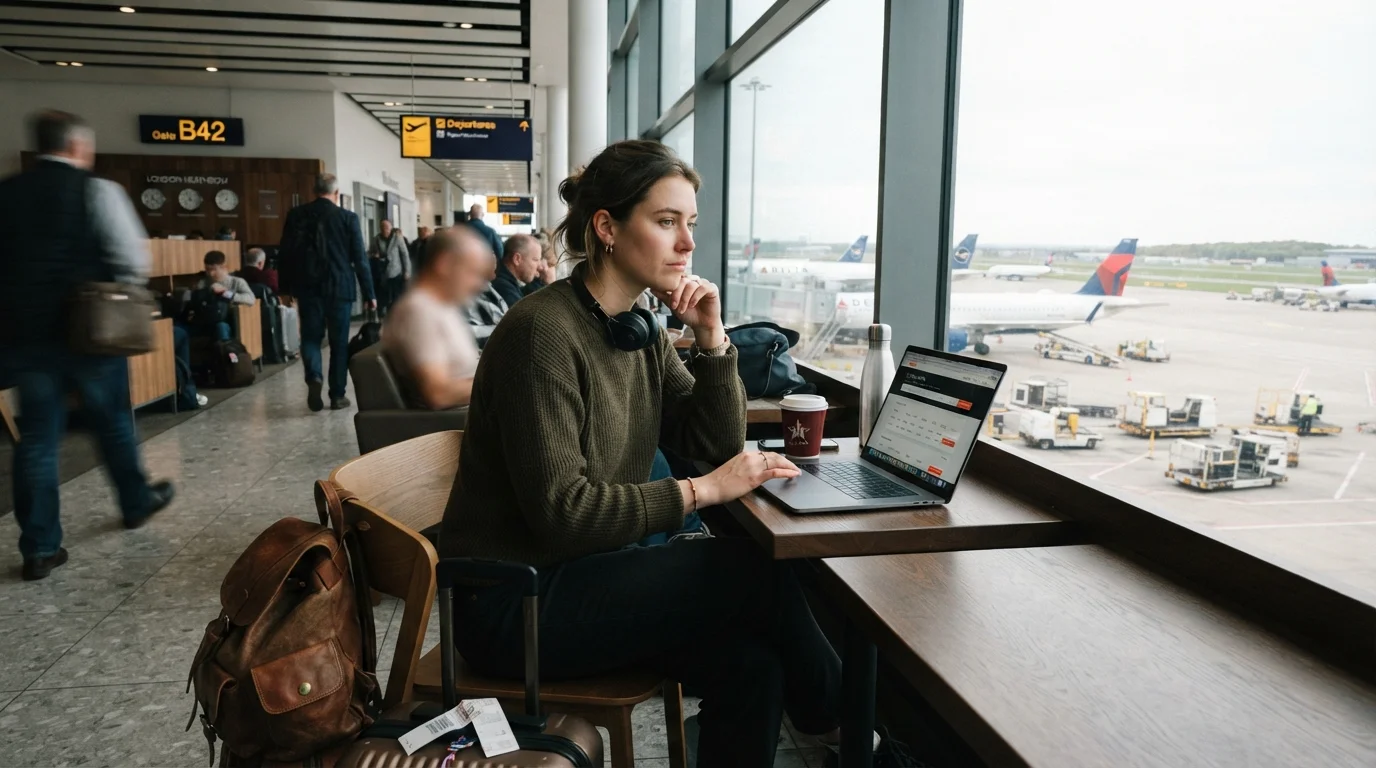
Rushing through security is a reliable trigger for acute stress. Arriving with extra time - the TSA generally recommends at least two hours for domestic flights and three for international - turns a potential sprint into a manageable process. Buffer time also means that if the line is long or you need to repack a bag, you handle it calmly rather than in a panic.
Use any extra time productively: find your gate, locate a quiet seating area, hydrate, or simply sit and breathe. A relaxed arrival sets the emotional tone for the entire journey.
Generous buffer time transforms the airport from a stressor into a manageable - even pleasant - transition space.
Use controlled breathing when anxiety spikes
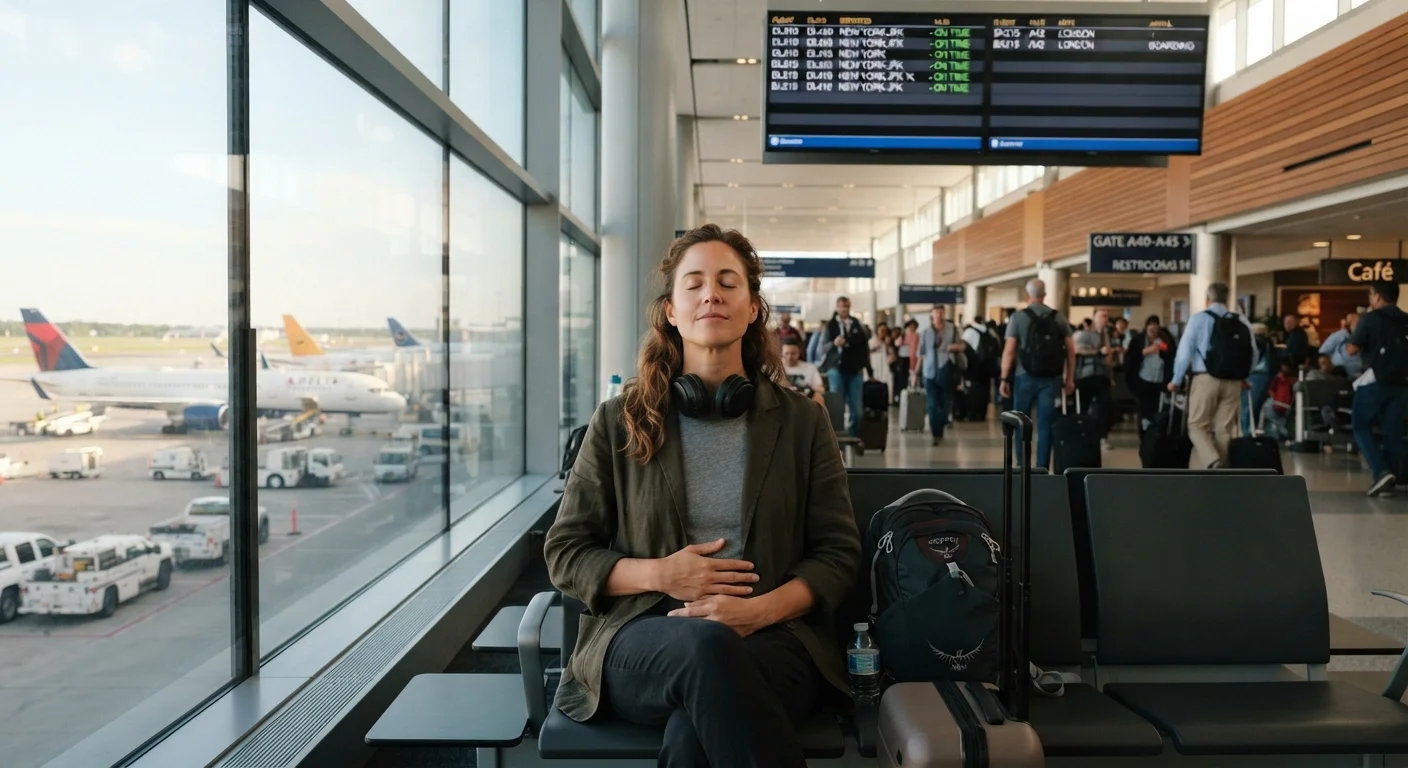
When stress peaks - during turbulence, a long queue, or a tight connection - controlled breathing is one of the most immediately accessible tools available. Techniques such as diaphragmatic breathing (slow, deep breaths that engage the belly rather than the chest) activate the parasympathetic nervous system, which counteracts the body's stress response.
A simple approach: inhale slowly for four counts, hold briefly for two, exhale for six. Repeat four to six times. This requires no equipment, no space, and no special skill - and it works in a seat, a security line, or a crowded gate area.
Controlled breathing is free, discreet, and physiologically proven to reduce the acute stress response in seconds.
Maintain sleep, hydration, and nutrition routines
Physical wellbeing and mental wellbeing are closely linked. Disrupted sleep, dehydration, and poor nutrition all amplify the perception of stress and make it harder to regulate emotions. Prioritize sleep in the days before travel, carry a reusable water bottle to refill after security, and choose balanced food options where available rather than relying on caffeine and sugar to sustain energy.
Long-haul travelers should also understand the difference between jet lag and travel fatigue - they share symptoms but require different recovery strategies. Our explainer on jet lag versus travel fatigue breaks down each cause and what helps.
Sleep deprivation and dehydration amplify stress - protecting physical basics is also protecting your mental state.
Create small moments of familiarity on the road
One reason travel can feel destabilizing is the absence of familiar routines and environments. Counteract this by anchoring your day with small, consistent rituals: a morning coffee routine, a brief walk at your destination, a consistent wind-down practice before bed. These micro-routines signal safety to your nervous system even in an unfamiliar place.
If you travel solo, situational awareness also plays a role in reducing the ambient anxiety of unfamiliar destinations. Our guide to solo travel safety and situational awareness offers practical techniques for feeling more grounded wherever you are.
Familiar micro-routines act as anchors, helping your nervous system feel safe even in entirely new surroundings.
Know when to seek additional support
For some travelers, anxiety goes beyond manageable stress and significantly interferes with the ability to plan or complete a trip. If travel-related fear - such as fear of flying, panic attacks, or severe anticipatory anxiety - is limiting your life, that's worth discussing with a mental health professional. Cognitive behavioral therapy (CBT), for example, has a well-established evidence base for treating travel-related anxiety and phobias.
If you're managing ongoing mental health needs, travel health preparation - including speaking with your provider about medications, refill logistics, and in-destination support resources - should be part of every pre-trip checklist.
Persistent travel fear that limits your life is worth professional attention - effective, evidence-based treatments exist.
Pack a Small 'Calm Kit' for Travel Days
Consider assembling a small pouch with items that personally soothe you: noise-canceling earbuds, an eye mask, a familiar snack, a downloaded playlist or podcast, and a small journal. Having these on hand means you're not scrambling to self-regulate with nothing available. The act of intentionally preparing the kit also reinforces the mindset that you have tools to handle stress when it arises.
Building a Personalized Travel Wellness Plan
The strategies above work best when adapted to your specific triggers and travel style. Consider keeping a brief travel journal to note which parts of a trip spike your stress - booking, security, long layovers, or arrival in a new city. Over time, patterns emerge that allow you to plan proactively rather than react in the moment.
Travelers managing chronic health conditions, including anxiety disorders, should consult a qualified healthcare provider before any trip to discuss their individual needs and options. Our guide for travelers with chronic health conditions covers preparation and contingency planning in depth. For broader mental health strategies beyond travel, the Mental Well-Being hub offers practical everyday resources.
This article is for general informational purposes only and does not constitute medical or mental health advice. If you are experiencing significant anxiety or a mental health condition, please consult a qualified healthcare professional.