

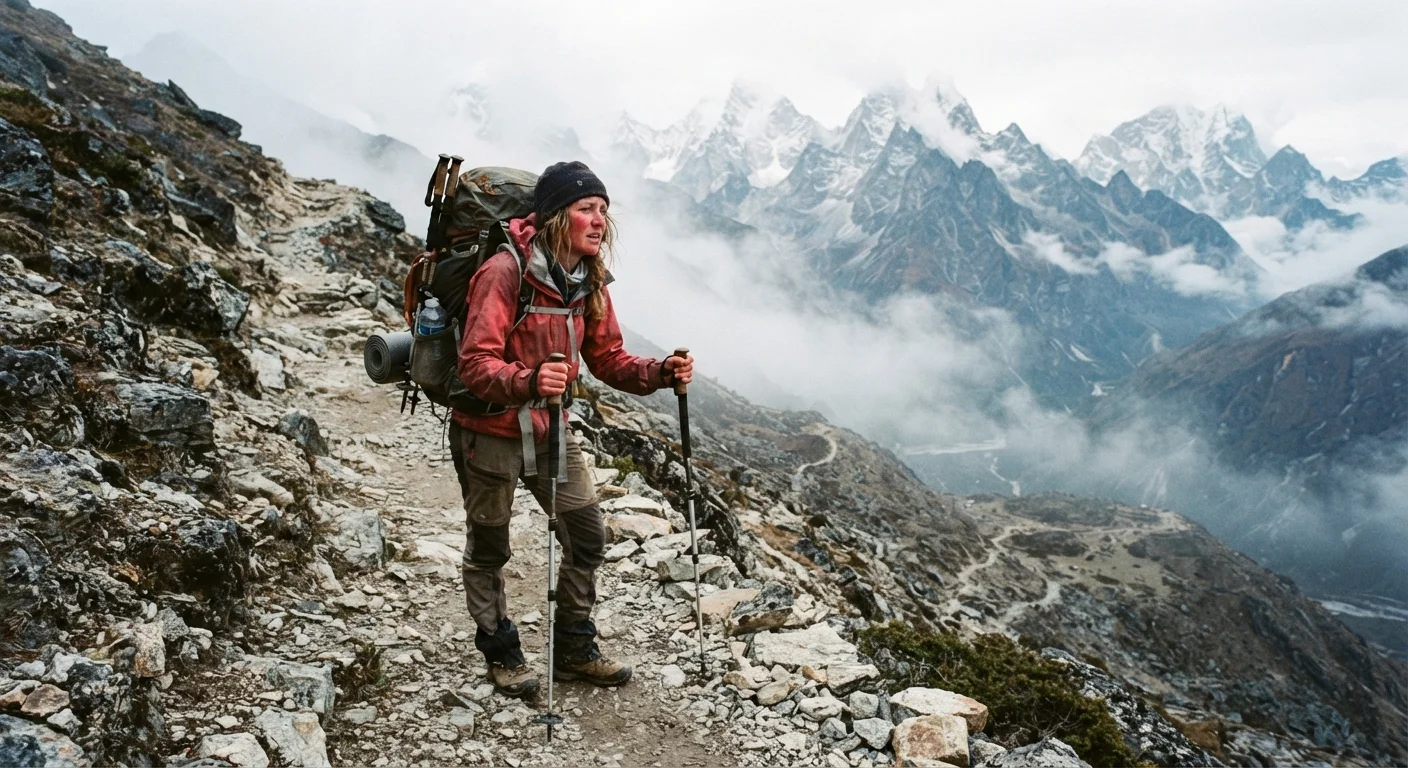
Why Altitude Myths Are Genuinely Dangerous
Every year, thousands of hikers head to destinations like Colorado's Fourteeners, the Peruvian Andes, or the Himalayas carrying a set of beliefs about altitude sickness that are - at best - incomplete, and at worst, life-threatening. Acute Mountain Sickness (AMS) affects a significant portion of travelers who ascend rapidly above 8,000 feet (roughly 2,400 meters), and its more severe forms - High Altitude Pulmonary Edema (HAPE) and High Altitude Cerebral Edema (HACE) - can be fatal within hours.
Misinformation spreads easily in hiking communities, especially when someone recalls a trip where they "felt fine" despite breaking the rules. The plural of anecdote is not data, and individual variation in altitude tolerance is poorly understood even by researchers. The safest approach is to know what the evidence actually shows - and to approach high-altitude travel with informed humility rather than bravado.
For broader outdoor health awareness, see our guide on heat, hydration, and UV exposure for travelers.
Myth
If you're physically fit, altitude sickness won't affect you.
Fact
Cardiovascular fitness provides no meaningful protection against AMS. Altitude tolerance is determined by physiological and genetic factors unrelated to fitness level.
Elite athletes and experienced mountaineers regularly develop AMS. The body's ability to adapt to reduced oxygen availability at altitude - a process called acclimatization - is not improved by aerobic conditioning. Studies published in journals such as High Altitude Medicine & Biology consistently find no significant correlation between VO2 max or fitness level and AMS susceptibility. Assuming fitness is a shield can lead hikers to skip essential acclimatization time, dramatically raising their risk.
Myth
Drinking lots of water prevents altitude sickness.
Fact
Staying hydrated supports overall wellbeing at altitude, but there is no clinical evidence that drinking extra water prevents AMS.
Dehydration can worsen altitude symptoms, and hikers do lose more fluid through respiration in dry mountain air - so hydration remains important. However, treating water intake as a preventative measure for AMS is a dangerous oversimplification. Overhydration carries its own risks, including hyponatremia (dangerously low blood sodium). Hydrate normally and consistently, but do not substitute water consumption for proper acclimatization schedules.
Myth
If you've been to altitude before without problems, you'll be fine again.
Fact
Past tolerance at altitude does not reliably predict future tolerance. AMS susceptibility can vary between trips for the same individual.
Ascent rate, starting altitude, individual health status on the day of the climb, and even recent illness can all affect how your body responds on any given trip. Some people who previously had no symptoms develop AMS on a subsequent trip, and vice versa. Assuming immunity based on past experience leads hikers to skip precautions that could protect them when conditions are different.
Myth
A headache at altitude is just dehydration - take an ibuprofen and keep going.
Fact
A headache is the hallmark symptom of AMS. Masking it with pain relievers and continuing to ascend can allow the condition to progress to life-threatening HAPE or HACE.
While ibuprofen may temporarily relieve the headache, it does not treat the underlying cause: insufficient acclimatization. Continuing upward while symptomatic dramatically increases the risk of progression to High Altitude Pulmonary Edema - fluid in the lungs - or High Altitude Cerebral Edema - brain swelling - both of which are medical emergencies. Treat a headache at altitude as a warning signal requiring a response, not a nuisance to be silenced.
Myth
Alcohol helps you relax and sleep better at altitude.
Fact
Alcohol impairs the body's respiratory response at altitude and worsens both sleep quality and AMS symptoms.
At high elevation, the body relies on increased breathing rate (hypoxic ventilatory response) to compensate for lower oxygen levels. Alcohol suppresses this reflex, reducing oxygen intake during sleep - a period when blood oxygen levels already drop. This can accelerate or worsen AMS. Additionally, alcohol is a diuretic, contributing to dehydration. Avoiding alcohol for the first few days at a new altitude is a straightforward precaution supported by altitude medicine guidance.
Myth
You only need to worry about altitude sickness above 14,000 feet.
Fact
AMS can begin at elevations as low as 6,500-8,000 feet (roughly 2,000-2,400 meters) in susceptible individuals.
Many popular U.S. destinations - including parts of Colorado, Utah, and New Mexico - sit well within this range. Visitors flying directly from sea level to cities like Denver (5,280 feet) or Santa Fe (7,000 feet) can experience mild symptoms within the first 24-48 hours. While serious AMS is more common above 10,000 feet, dismissing lower-altitude symptoms as impossible is a mistake that delays appropriate rest or descent.
What to Do If Symptoms Appear
No myth is more dangerous than the belief that you can simply push through early symptoms. If you or a companion develops a persistent headache, nausea, dizziness, or unusual fatigue at elevation, the medically sound response is to stop ascending - and descend if symptoms worsen or do not improve after 24 hours of rest at the same altitude.
Never Ignore Worsening Symptoms at Altitude
Symptoms that progress beyond a mild headache - including confusion, loss of coordination, shortness of breath at rest, or a persistent cough - require immediate descent. Do not wait to see if you feel better in the morning. HAPE and HACE can deteriorate rapidly, and descent is the single most effective treatment. In remote areas, carry an emergency communication device and know your evacuation plan before you need it.
The Wilderness Medical Society recommends the cardinal rule: never ascend with symptoms of AMS. Medications such as acetazolamide (Diamox) are sometimes prescribed to aid acclimatization or treat mild AMS, but their use, dosage, and suitability for your health profile must be discussed with a physician before your trip - not sourced ad hoc at a trailhead. This is general health information only; consult a qualified healthcare provider for guidance specific to your situation.
Planning a high-altitude trip? A pre-departure medical consultation is one of the most overlooked preparation steps. Our article on what travelers miss by skipping a pre-trip doctor visit explains exactly what those appointments cover and why they matter.
Consult a Doctor Before High-Altitude Travel
This article provides general educational information about altitude sickness - it is not medical advice. Anyone planning travel above 8,000 feet, particularly those with cardiovascular, respiratory, or blood conditions, should speak with a qualified healthcare provider before their trip. A physician can assess your individual risk, discuss whether preventive medication is appropriate for you, and help you create a safe acclimatization plan.