
Why Time Horizon Changes Everything
Every savings goal has a deadline - whether it's next summer's vacation or retirement decades away. That deadline, called a time horizon, should directly shape where you keep the money and how aggressively it needs to grow.
Saving for a goal that's two years out is a fundamentally different task than saving for one that's twenty years away. Misaligning the two - say, keeping long-term retirement money in a basic checking account, or locking up your emergency fund in something illiquid - quietly costs you either growth or flexibility.
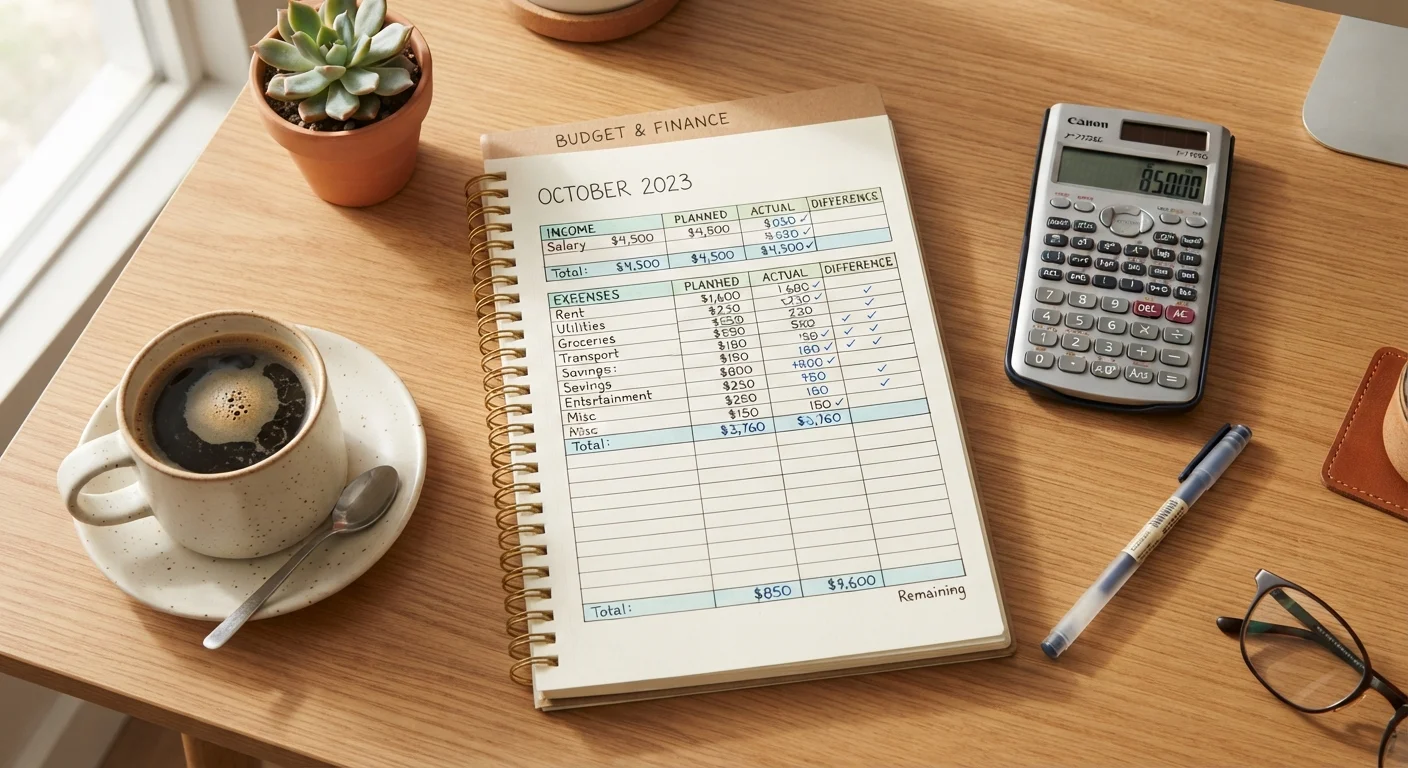
A strong foundation starts with understanding your household budget so you know exactly how much you can realistically direct toward savings each month before you decide where it should go.
57%
Americans with less than $1,000 saved
A recurring theme in Federal Reserve surveys on household finances is that a majority of US adults have limited liquid savings available for emergencies.
3-6 months
Recommended emergency fund size
Financial planning guidelines broadly recommend maintaining three to six months of essential expenses in a liquid, accessible account.
Short-Term Savings Goals: Liquidity First
Short-term goals are generally those you plan to reach within one to three years. Common examples include building an emergency fund, saving for a vacation, replacing a car, or covering a planned medical expense.
Because you'll need this money soon, the priority is liquidity (easy access) and capital preservation (not losing what you put in). This rules out anything volatile. The right vehicles here include:
- High-yield savings accounts (HYSAs) - these tend to earn meaningfully more than standard savings accounts without sacrificing access. See how HYSAs compare to traditional savings accounts for a full breakdown.
- Money market accounts - similar to HYSAs, often with check-writing privileges.
- Short-term certificates of deposit (CDs) - useful when you have a known, fixed deadline and won't need the funds early (early withdrawal penalties apply).
For your emergency fund specifically, the standard guidance of three to six months of expenses exists because this money must be available the moment something goes wrong - not tied up anywhere.
Label Your Accounts by Goal Name
When you open a separate savings account for a specific goal, name it after that goal - 'Vacation 2026' or 'Car Fund' - rather than leaving it as 'Savings Account 2.' This simple step reinforces intention and makes it psychologically harder to spend the money on something else. Many online banks allow custom nicknames at no cost.
Long-Term Savings Goals: Growth Over Access
Long-term goals sit five or more years in the future - think retirement, funding a child's education, or a major home purchase a decade away. With a longer runway, your savings can afford to ride out short-term market fluctuations and benefit from compounding over time.
This is where the distinction between saving and investing becomes important. Pure savings accounts are generally appropriate for short-term needs. For long-term goals, many people incorporate investment vehicles - such as tax-advantaged retirement accounts - to pursue higher potential growth. The article Saving, Investing, and the Space Between explains where that boundary lies.
What drives long-term outcomes is consistency over time, not timing. Review the principles that guide effective long-term saving for an evidence-based look at what separates those who build wealth steadily from those who stall.
Note: This article provides general financial education, not personalized investment advice. Consult a licensed financial professional for guidance specific to your situation.
Comparing the Two Approaches Side by Side
Understanding how these two approaches differ across key dimensions helps you make deliberate choices rather than default ones.
| Short-Term Savings | Long-Term Savings | |
|---|---|---|
| Time Horizon | Under 3 years | 5 or more years |
| Primary Priority | Liquidity and capital preservation | Growth and compounding |
| Risk Tolerance | Very low - avoid losses | Moderate to higher - time absorbs volatility |
| Typical Account Types | HYSA, money market, short-term CD | Tax-advantaged accounts, investment accounts |
| Access to Funds | Must be readily accessible | Can tolerate limited access or penalties |
| Example Goals | Emergency fund, vacation, car down payment | Retirement, college fund, long-term home purchase |
Notice that neither approach is universally superior - the right choice depends entirely on your goal's deadline and what you need the money to do.
The Bucketing Strategy: Running Both in Parallel
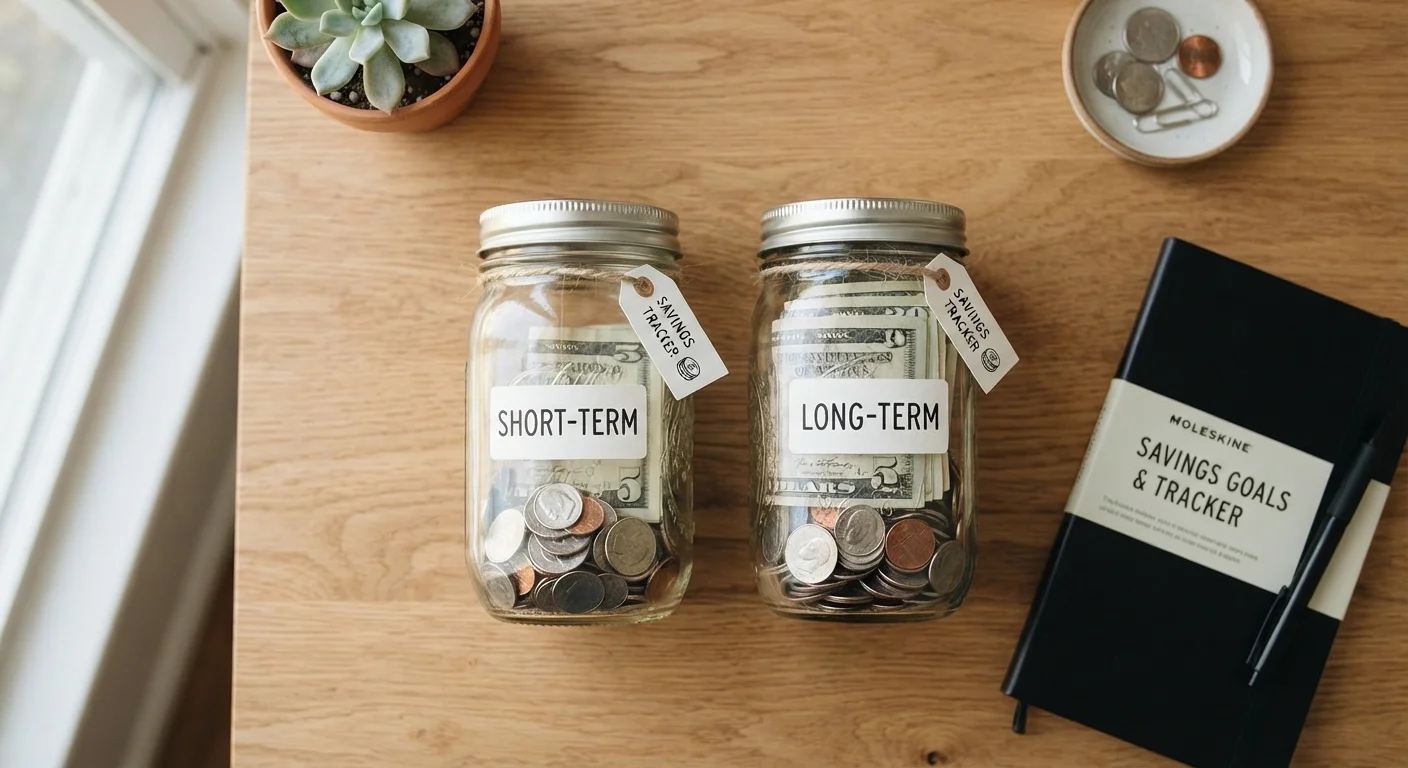
Most households have goals at multiple time horizons simultaneously. The practical answer is a bucketing strategy - assigning each goal its own dedicated account so one doesn't cannibalize the other.
For example: one high-yield savings account for your emergency fund, a separate one for a vacation planned in 18 months, and a tax-advantaged account for retirement. Each bucket has a defined purpose, contribution schedule, and account type matched to its time frame.
Automating transfers into each bucket on payday is the most reliable way to fund multiple goals without constant decision-making. It also protects against the temptation to raid long-term savings for short-term wants.
Be aware that certain patterns can quietly undermine even a well-structured plan - savings habits that erode progress often involve blending accounts without clear boundaries. And it's worth revisiting your structure periodically: an annual financial health check can reveal whether each bucket is on track or needs rebalancing.