
What Is Jet Lag - and What Causes It?
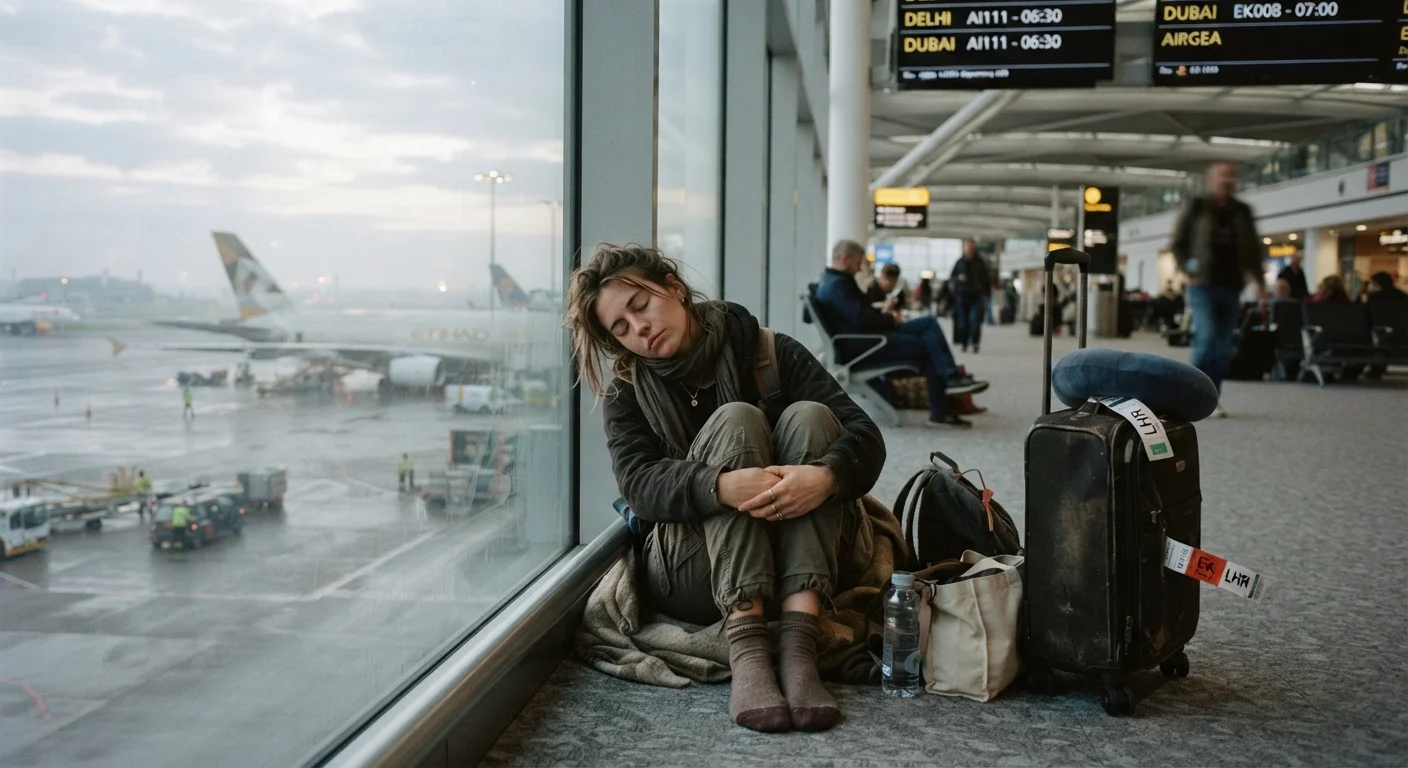
Jet lag is a temporary physiological condition that occurs when your body's internal clock - called the circadian rhythm - falls out of sync with the local time at your destination. This happens specifically because of rapid travel across multiple time zones. Your brain and organs still operate on home time while the environment demands a completely different schedule.
Common symptoms include difficulty falling or staying asleep, daytime drowsiness, difficulty concentrating, digestive disruption, and a general sense of cognitive fog. Eastward travel tends to produce more severe jet lag than westward travel because advancing your clock (losing time) is harder for most people than delaying it.
Jet lag is not simply being tired. It involves hormonal disruption - particularly in melatonin secretion, which governs sleep-wake cycles - and typically takes roughly one day per time zone crossed to resolve naturally. Strategic light exposure, meal timing, and staying hydrated can support the adjustment process, but no intervention eliminates the underlying biological realignment that must occur.
Jet Lag Is a Medical Term, Not a Metaphor
The term 'jet lag' is sometimes used loosely to describe general post-travel tiredness, but clinically it refers specifically to circadian misalignment caused by time-zone travel. Using the term accurately helps you apply the right recovery approach. If you didn't cross significant time zones, what you're experiencing is most likely travel fatigue - and it responds to different strategies.
What Is Travel Fatigue - and Why Is It Different?
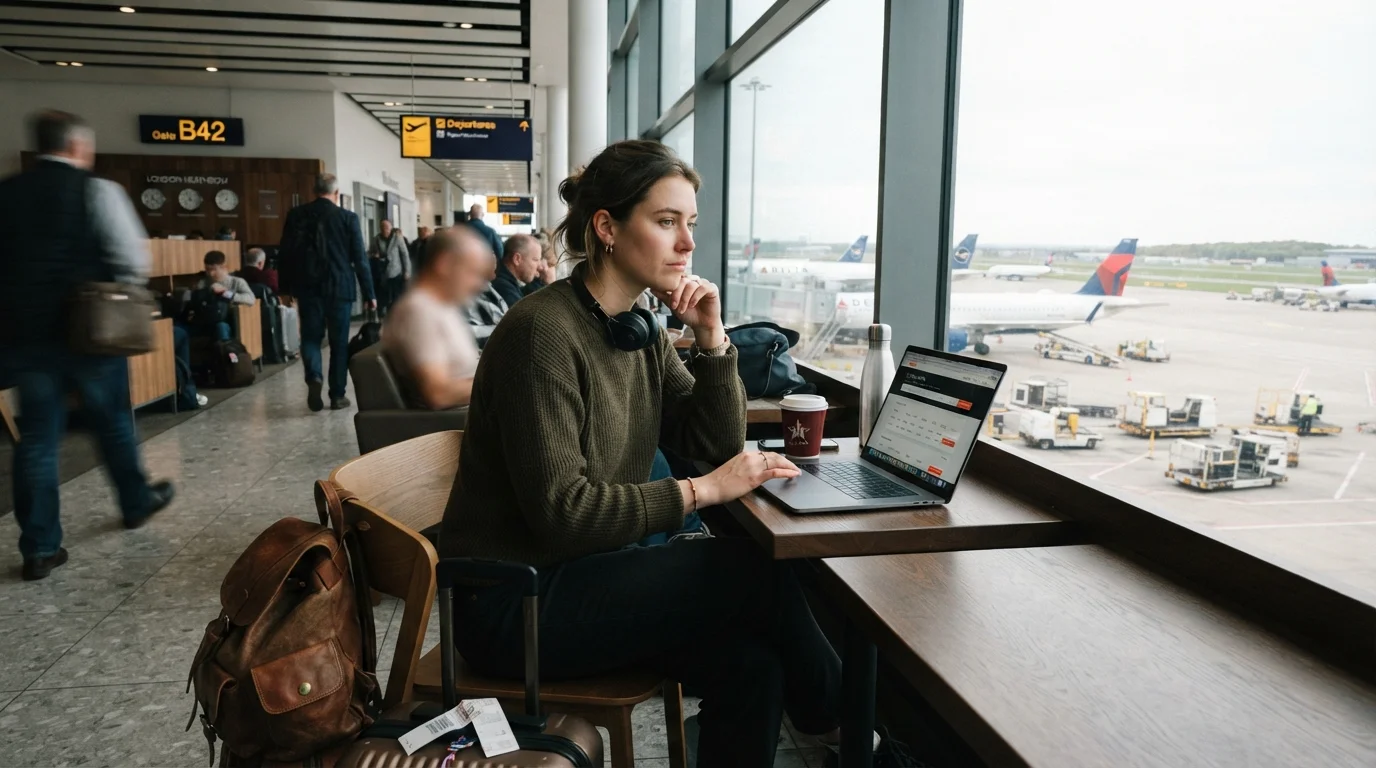
Travel fatigue is the accumulated physical and mental exhaustion that results from the demands of the travel experience itself - not from crossing time zones. Long security lines, disrupted meals, noise, unfamiliar environments, poor sleep on planes or in hotels, and the constant low-level vigilance required in new places all drain cognitive and physical reserves.
Critically, you can develop significant travel fatigue without leaving your own time zone. A packed four-day road trip or a hectic family vacation with early departures and late arrivals can leave you as depleted as a long international journey. The circadian clock is undisturbed, but the nervous system is overtaxed.
Symptoms of travel fatigue overlap with jet lag - fatigue, irritability, difficulty concentrating - but the underlying mechanism is different. There is no hormonal desynchrony to correct. The remedy is straightforward rest, reduced stimulation, and recovery sleep. Understanding this distinction matters because applying jet lag strategies (like deliberate bright-light exposure at specific times) to travel fatigue will not accelerate recovery.
Different forms of rest restore different things, and knowing which type your body needs after travel can make recovery meaningfully faster.
3+ zones
Minimum time-zone shift for notable jet lag
Travel medicine research generally identifies crossings of three or more time zones as the threshold where circadian disruption becomes clinically meaningful for most travelers.
~1 day
Per time zone needed to adjust naturally
A commonly cited guideline in sleep medicine estimates one day of adjustment per time zone crossed, though individual recovery varies considerably.
Side-by-Side: How They Compare
The table below highlights the most practical differences between jet lag and travel fatigue across the dimensions that affect how you plan your recovery.
| Criterion | Jet Lag | Travel Fatigue |
|---|---|---|
| Root Cause | Circadian rhythm disruption from time-zone shift | Accumulated physical and mental exhaustion from travel demands |
| Requires Time-Zone Crossing | Yes - typically 3+ zones | No - can occur on any trip |
| Key Symptoms | Insomnia, disorientation, digestive issues | Deep tiredness, irritability, difficulty concentrating |
| Primary Recovery Strategy | Light exposure, meal timing, schedule shift | Rest, reduced stimulation, recovery sleep |
| Typical Recovery Time | ~1 day per time zone crossed | 1-3 days of rest, depending on trip intensity |
| Can Occur Simultaneously | Yes - on long international trips | Yes - on long international trips |
One important nuance: both conditions can occur simultaneously on long international trips. In that scenario, addressing travel fatigue first - through uninterrupted sleep and low-demand days - often makes the remaining jet lag symptoms easier to manage. Trying to power through both at once tends to extend overall recovery time.
When planning future trips, building in buffer days before high-stakes events can reduce the impact of both conditions. A well-structured travel itinerary accounts for arrival recovery time rather than front-loading activity from the moment you land.
How to Recover From Each
For jet lag: The core goal is resetting your circadian rhythm. Morning light exposure at your destination helps shift your body clock forward; avoiding bright light in the evening can reinforce the adjustment. Eating meals according to local time - rather than when hunger signals from your home-clock tell you to - accelerates adaptation. Staying well-hydrated and limiting alcohol and caffeine, which can both interfere with sleep quality, also supports recovery.
For travel fatigue: The goal is simple physiological restoration. Prioritize full sleep cycles over the first one to two nights home. Limit new stimulation, reduce decision-making demands where possible, and give your nervous system a low-key day before returning to normal activity. Gentle movement - a short walk rather than an intense workout - tends to support recovery better than either complete immobility or strenuous exercise.
Travel-related stress compounds both conditions. If anxiety around travel is a recurring issue, consider exploring strategies for managing it from the planning phase through arrival - travel anxiety is more common than many realize and has practical, manageable solutions.
This article is for general informational purposes only and is not a substitute for professional medical advice. If you have persistent symptoms or health concerns related to travel, consult a qualified healthcare provider.