
Know Your Risk Before You Go
Every destination carries some level of natural hazard risk - the question is whether you know what it is before you land. Earthquake-prone zones ring the Pacific in what geologists call the Ring of Fire, covering countries from Japan to Chile to the Pacific Northwest. Hurricane and typhoon belts wrap the tropics. Monsoon seasons transform normally navigable roads into rivers across South and Southeast Asia.
Before booking, consult the U.S. Department of State's travel advisories at travel.state.gov, which categorize countries by risk level and highlight specific hazard concerns. The Smart Traveler Enrollment Program (STEP) is a free service that lets you register your trip with the nearest U.S. embassy - a step that means officials can contact you during a regional emergency. Cross-reference with your destination's national meteorological and civil defense authorities for local hazard maps.
Timing matters too. Tropical storm seasons, monsoons, and wildfire seasons are broadly predictable by calendar - though not by exact date. Shifting your travel window by even a few weeks can meaningfully reduce your exposure. See our trip planning hub for broader guidance on timing and logistics.
Flash Flood
A rapid, sudden rise in water level in a low-lying area, often within six hours of heavy rain. It can occur with little warning and is particularly dangerous in canyons, riverbeds, and urban streets.
Seismic Zone
A geographic area with a higher frequency or intensity of earthquakes due to tectonic plate activity. Destinations along the Pacific Rim, the Mediterranean, and Central Asia tend to fall in active seismic zones.
STEP
The Smart Traveler Enrollment Program, a free U.S. government service that lets Americans register their international trips with the nearest embassy or consulate so they can be contacted in an emergency.
Storm Watch vs. Warning
A watch means hazardous conditions are possible in the area; a warning means they are imminent or already occurring. A warning requires immediate protective action.
Go-Bag
A compact emergency bag pre-packed with essential documents, supplies, and contacts so you can evacuate quickly without having to gather items under stress.
Emergency Evacuation Coverage
A type of travel insurance benefit that covers the cost of transporting you to safety or to a medical facility during a declared emergency, natural disaster, or serious medical event.
Flood Awareness for Travelers
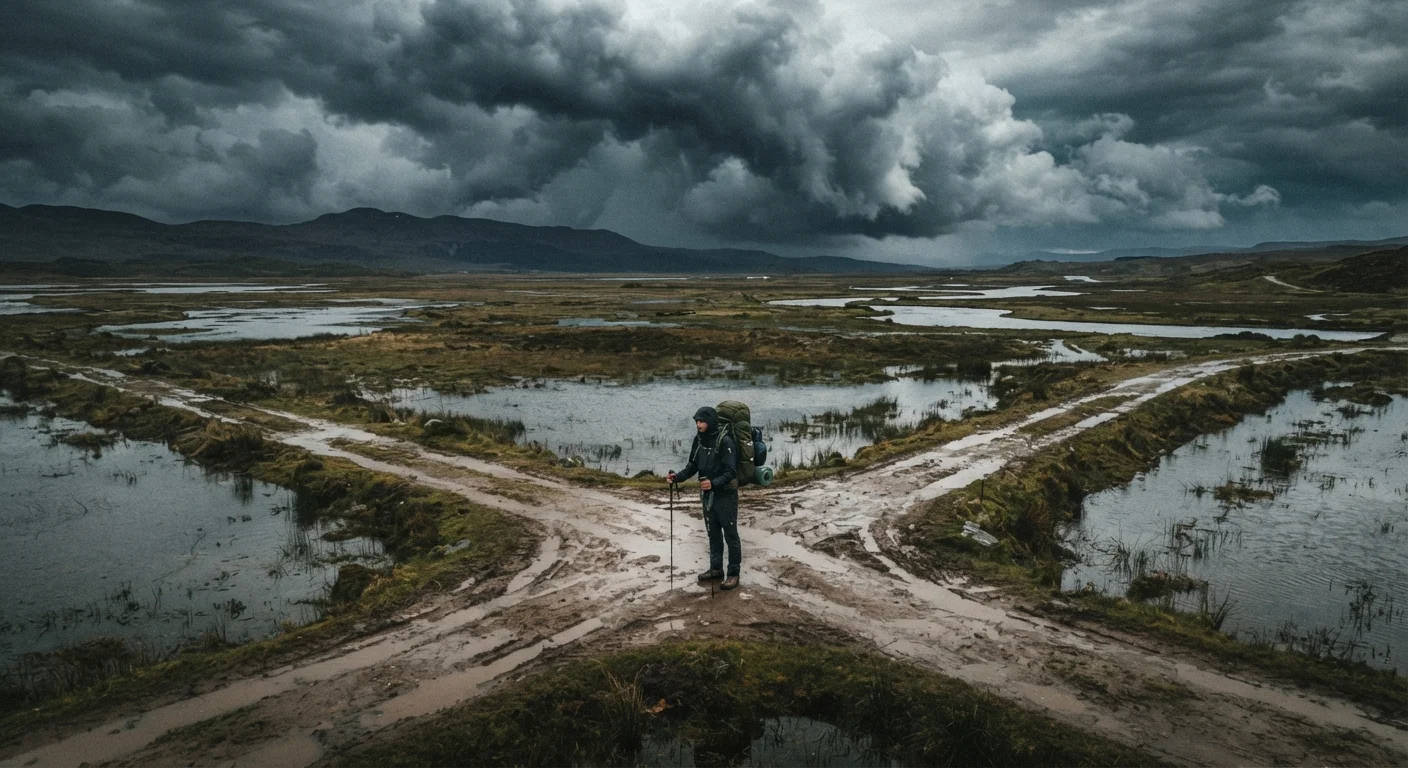
Flooding - particularly flash flooding - is one of the leading weather-related causes of traveler death worldwide. It can develop within minutes in canyons, along rivers, and in urban drainage systems, often triggered by rainfall miles away from where you're standing. Warning signs include a sudden rise in stream level, a roaring sound upstream, or debris-laden water appearing without obvious rain overhead.
The single most important rule: never attempt to cross moving water, whether on foot or in a vehicle. The U.S. National Weather Service reports that the majority of flood fatalities in the US occur in vehicles - a pattern seen globally. Six inches of fast-moving water can knock an adult off their feet; two feet can carry away most cars.
When booking accommodation, check whether your lodging is in a floodplain or low-lying area, especially in coastal or riverside destinations. Ask hotel staff about the local flood alert system on arrival. When outdoors, pay attention to sudden changes in sky color, temperature, or rainfall intensity - and always have a route to higher ground mentally mapped.
Never Drive or Walk Through Floodwater
The depth and speed of floodwater are nearly impossible to judge visually. Even shallow, fast-moving water can sweep a vehicle off a road or knock a person off their feet. Turn around at any flooded road or path - finding an alternate route is always worth the delay. This rule applies regardless of how other drivers appear to be handling conditions.
Earthquake Safety on the Road
If you're in a seismically active destination - broadly, anywhere along tectonic plate boundaries - spend a few minutes in each new building identifying structural safety features: doorframes, interior walls away from windows, and open spaces free of heavy furniture. This brief habit can be decisive.
The globally recognized protocol during an earthquake is Drop, Cover, and Hold On: drop to your hands and knees, take cover under a sturdy table or against an interior wall, and hold on until shaking stops. Contrary to a persistent myth, doorframes are not the safest location in modern buildings - staying low and away from windows is more protective.
After shaking stops, be alert for aftershocks, which can arrive within minutes. If you're in a coastal area, move immediately to high ground after a significant earthquake - tsunamis can follow within minutes and official warnings may lag behind the event. Familiarize yourself with the local emergency number (not always 911 outside the U.S.) before you need it. For travelers managing ongoing health conditions, travel safety for people with chronic health conditions offers targeted contingency planning advice.
Look Up the Local Emergency Number Now
The emergency number varies by country - it is not always 911. Japan uses 119 for medical and fire, 110 for police; the EU uses 112; Australia uses 000. Save the correct number in your phone under a contact named 'LOCAL EMERGENCY' before you need it. A few seconds of preparation can eliminate a critical delay.
Navigating Tropical Storms and Severe Weather
Tropical storms, hurricanes, typhoons, and cyclones are the same meteorological phenomenon - the name changes by region. They are among the few natural disasters that forecasters can track days in advance, giving travelers a meaningful window to act. If a named storm is approaching your destination, do not wait for a mandatory evacuation order to begin assessing your options - airlines and hotels often waive change fees during declared emergencies, but availability disappears quickly.
Stay continuously informed through local radio (battery-powered or hand-crank), your country's official weather app, or the Red Cross Emergency app, which covers multiple countries. Your hotel's front desk is often the best real-time local source. Follow the instructions of local civil defense authorities above all else - they have situational awareness you don't.
If sheltering in place, move to an interior room on a higher floor, away from windows. Understand the difference between a watch (conditions are possible) and a warning (conditions are imminent or occurring) - both require action, but a warning demands immediate response. Completing your pre-trip health and safety preparation before departure also includes confirming your insurance covers weather-related disruptions.
Building Your Disaster Response Kit and Plan
Disaster preparedness for travelers doesn't require a bulky survival kit - it requires smart, compact essentials organized before you leave home. A basic go-bag should include:
- Copies of your passport, visa, and travel insurance policy (physical and digital)
- Emergency contacts written on paper - phones die
- Small amount of local currency (ATMs fail during power outages)
- A portable battery pack, fully charged
- A three-day supply of any prescription medication
- A basic first-aid kit
Beyond the physical kit, have a communication plan: agree with travel companions and family at home on a check-in schedule and a designated out-of-area contact they can both reach. Text messages often get through when voice calls cannot during network congestion following a disaster.
Travel insurance with explicit coverage for natural disasters and emergency medical evacuation is a foundational layer of protection - not a luxury. Review what your policy covers before a hazard is forecast, since most insurers exclude coverage for events that are foreseeable at the time of purchase. Our guide on what travel insurance actually covers walks through the key policy types. Finally, register with STEP so the U.S. Embassy can reach you directly if regional conditions deteriorate.
This article provides general travel safety information and education. It is not a substitute for guidance from official emergency management authorities, your government's travel advisories, or qualified safety professionals. Always verify current conditions and requirements with official sources before and during travel.