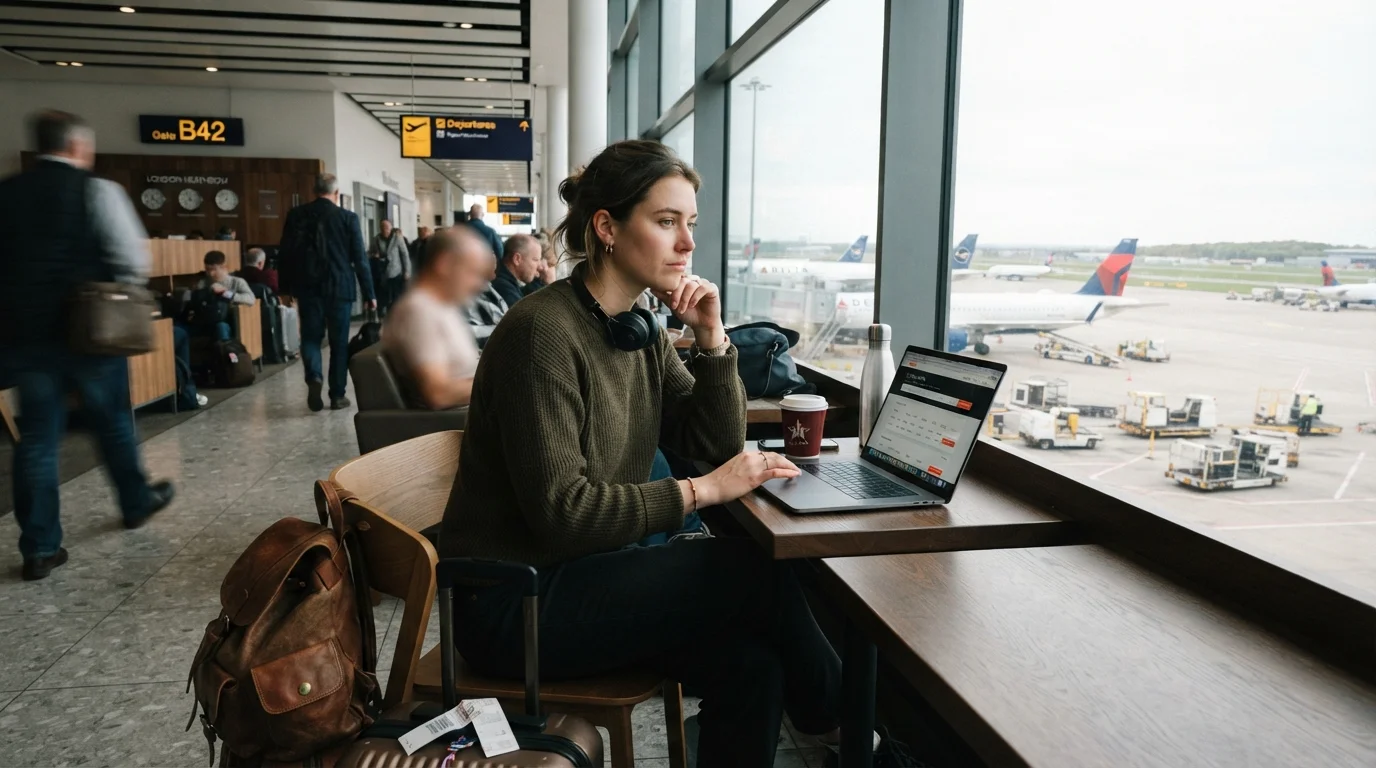


The Core Planning Difference: Decisions and Who Makes Them
At the heart of every travel plan is a series of decisions - where to go, when to leave, where to sleep, what to do. When you're traveling solo, you make every call yourself. That's both the greatest freedom and the heaviest responsibility of solo planning.
With a group, those same decisions require input from multiple people with different preferences, schedules, and budgets. A destination one person finds exciting may be another's last choice. This is why group trips often take longer to get off the ground, even when everyone is enthusiastic.
For a broader look at what every trip plan involves regardless of group size, see our guide to the anatomy of a well-planned trip.
| Solo Travel | Group Travel | |
|---|---|---|
| Decision-making | Single person, fully autonomous | Requires group consensus |
| Planning timeline | Shorter, more flexible | Longer, needs early alignment |
| Accommodation | Single room, simple to book | Multi-room or rental, more complex |
| Budget management | Track personal spending only | Shared costs require coordination |
| Itinerary flexibility | High - easy to change plans | Lower - changes affect everyone |
| Safety dynamic | Full personal responsibility | Mutual support, shared blind spots |
Logistics: Complexity Scales With Group Size
Solo travel logistics are relatively linear. You book one seat, one room, one activity slot. You can change your mind the night before and reroute without consequence. This makes solo planning faster and more forgiving of late decisions.
Group logistics multiply in almost every direction. Flights must accommodate everyone's schedules - and rarely at the same price. Accommodation needs to fit the full party, meaning vacation rentals and multi-room hotel blocks become more relevant than single rooms. Restaurant reservations, tours, and entry tickets often have capacity limits that require advance booking well ahead of what a solo traveler would need.
Transportation within a destination also changes. A solo traveler can walk, take buses, or use rideshares with ease. Groups often find it cheaper and simpler to rent a vehicle - but that introduces driver responsibilities, fuel splitting, and parking logistics.
Assign a Group Trip Coordinator Early
Designating one person to consolidate bookings, track deadlines, and communicate updates prevents decisions from falling through the cracks. This role doesn't mean one person does all the work - it means one person ensures nothing gets missed. Rotate the responsibility on future trips to keep it fair.
Budgeting: Who Pays for What
Solo travel budgeting is straightforward: you set a number, track your own spending, and adjust as needed. Every cost is yours alone, which keeps accounting simple even if the total feels higher.
Group travel offers genuine savings in some areas - shared accommodation, split car rentals, and group-rate activities can meaningfully lower per-person costs. However, managing shared expenses introduces friction. Who fronts costs? How are reimbursements handled? What happens when one person's budget is tighter than others'?
Agreeing on a realistic shared budget before booking anything is one of the most important steps in group trip planning. Misaligned financial expectations are among the most common sources of conflict on group trips. Apps that track shared expenses can help, but the conversation still needs to happen early.
For more on navigating cost trade-offs, see budget travel trade-offs every planner should understand.
~50%
Solo travelers cite flexibility as top benefit
Multiple consumer travel surveys consistently show flexibility and independence as the leading reasons people choose to travel alone.
3-5x
More coordination touchpoints in group trips
Travel planners generally note that each additional person in a group multiplies the number of scheduling and preference variables that must be reconciled.
Flexibility and Itinerary Structure
Solo travelers can leave their itineraries deliberately loose. If a city surprises you, you stay longer. If a destination disappoints, you move on. This open-ended approach is much harder to sustain in a group where others have pre-booked commitments, time-off limits, or return flights at different times.
Group itineraries benefit from more structure than solo ones - not because spontaneity is bad, but because the cost of a last-minute change scales with the number of people affected. Building in deliberate free time for individuals to pursue personal interests within a shared trip is one practical way to preserve flexibility without derailing the group plan.
Our guide on building a travel itinerary that actually works covers how to balance structure and breathing room for any trip type.
Safety Planning: Different Concerns, Different Strategies
Safety considerations diverge significantly between solo and group travel. Solo travelers carry the full weight of awareness and decision-making - there's no one to watch your bag, flag a suspicious situation, or share the judgment call when something feels off. Building situational awareness is a foundational skill for anyone traveling alone. Our article on solo travel safety and situational awareness goes deeper on this.
Groups provide a natural layer of mutual safety but introduce their own risks: the assumption that someone else is tracking details, slower emergency response due to coordination needs, and the social pressure to go along with decisions that may not feel right to everyone.
Regardless of group size, always verify current entry requirements, travel advisories, and health recommendations through official government sources before you travel. Conditions change, and no article can substitute for up-to-date official guidance.
This article is for general informational purposes only. Always verify visa, safety, and health requirements with official government and travel authority sources before making any travel decisions.