

What Situational Awareness Actually Means for Travelers
Situational awareness is the ongoing practice of understanding what is happening around you, why it matters, and what you might need to do next. It does not mean being paranoid or treating every stranger as a threat. It means staying mentally present in your environment so that you can recognize when something feels off - and respond calmly.
For solo travelers, this skill matters more than for those in a group. Without a travel companion to share observations or watch your back, you are your own first line of awareness. The good news is that situational awareness can be developed deliberately, and most of its building blocks are straightforward habits rather than special training.
If you are still in the planning phase of your trip, the first-timer's trip planning guide is a useful starting point before you layer in safety habits. And if you are weighing the logistics of traveling alone versus with a group, how solo and group travel differ covers the key trade-offs.
What you will need
How to Build Situational Awareness Step by Step
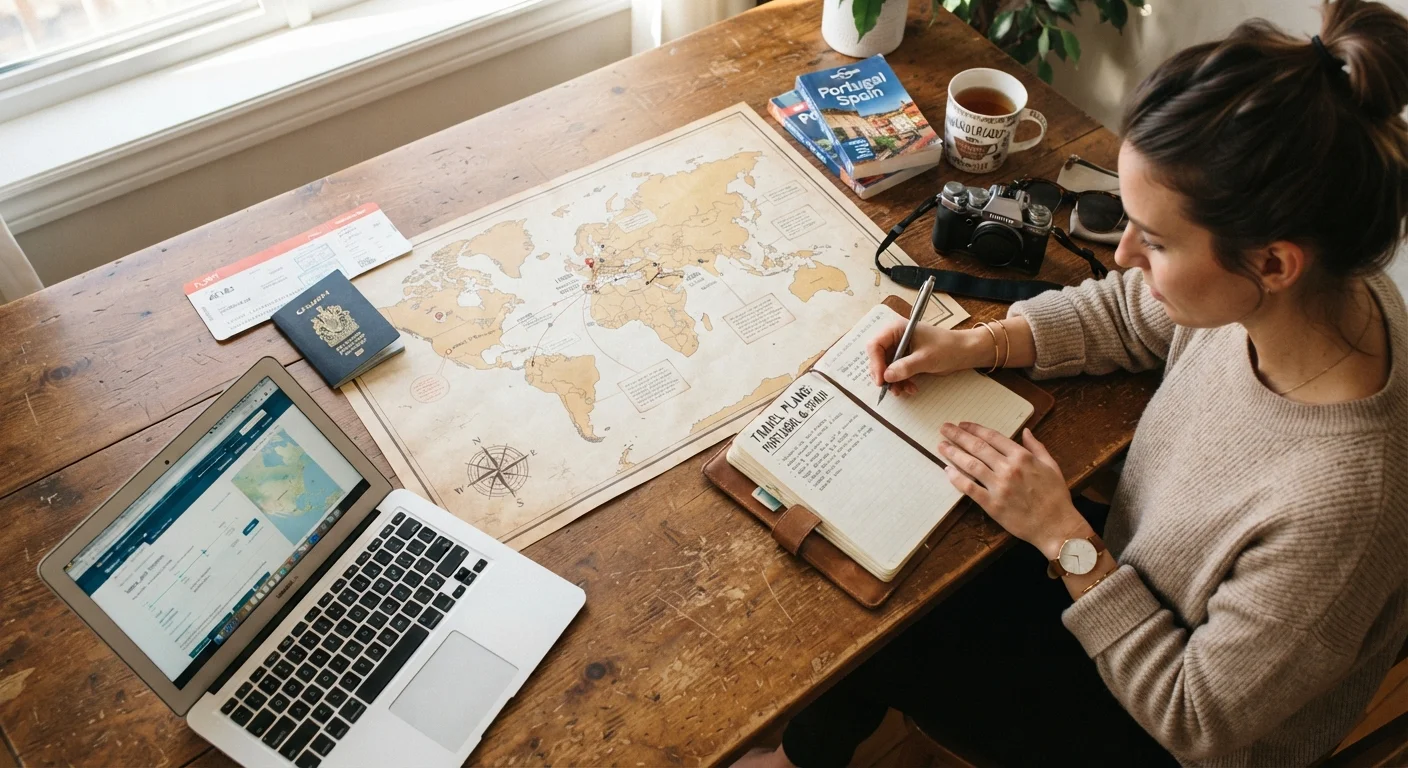
The steps below move from pre-trip preparation through on-the-ground habits. Each one reinforces the next. Skipping the preparation phase makes the in-destination steps harder to execute confidently.
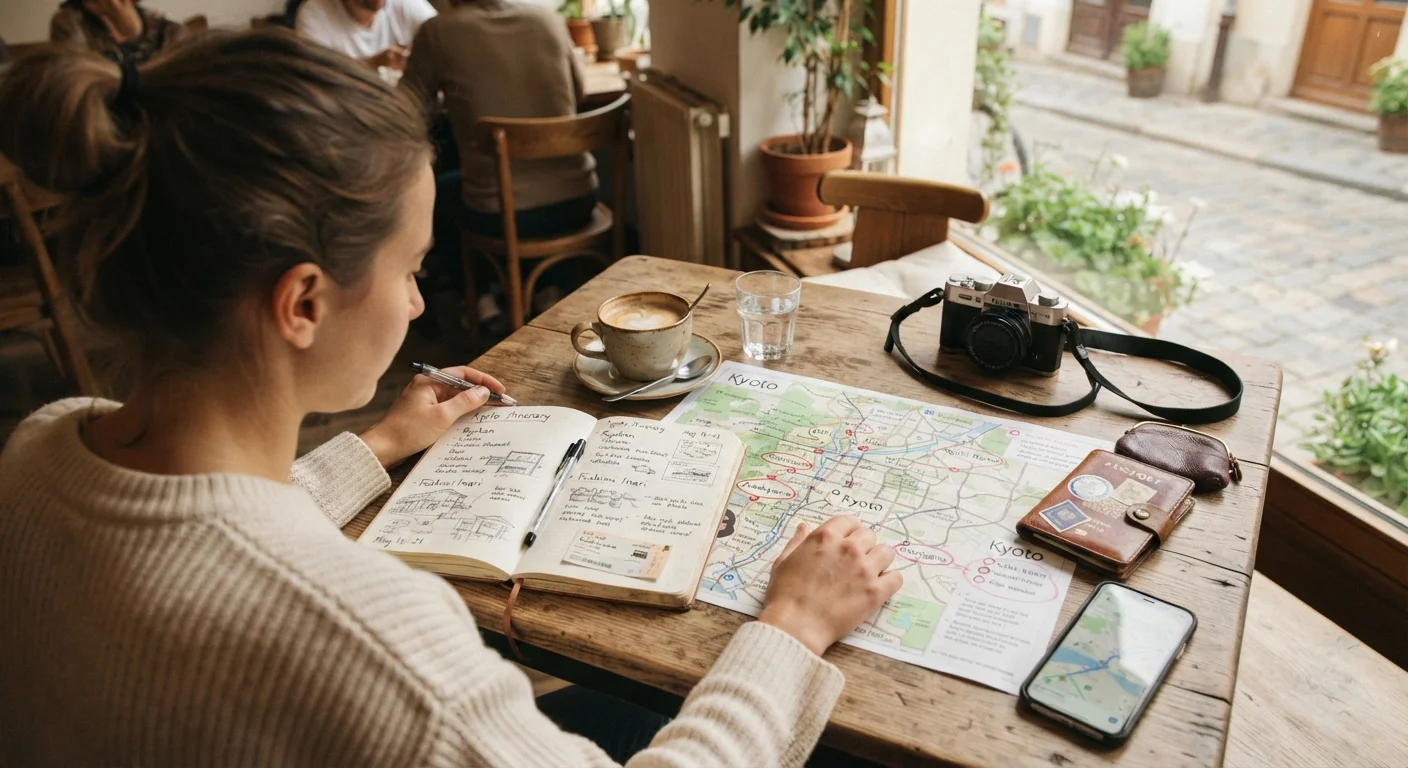
Research your destination before you arrive
Review your government's official travel advisory for your destination. In the US, the State Department publishes country-level advisories at travel.state.gov. Note any areas travelers are advised to avoid, common scams reported in that city, and local emergency numbers. Supplement this with recent traveler accounts on established forums to get ground-level context.
Establish a baseline for normal in each new environment
When you arrive in a new neighborhood, market, or transit hub, pause briefly before moving through it. Observe the general pace, noise level, and crowd behavior. This mental snapshot - called a baseline - gives you a reference point. When something deviates from that baseline, your attention is naturally drawn to it, which is exactly the mechanism you want active.
Reduce sensory distractions in public spaces
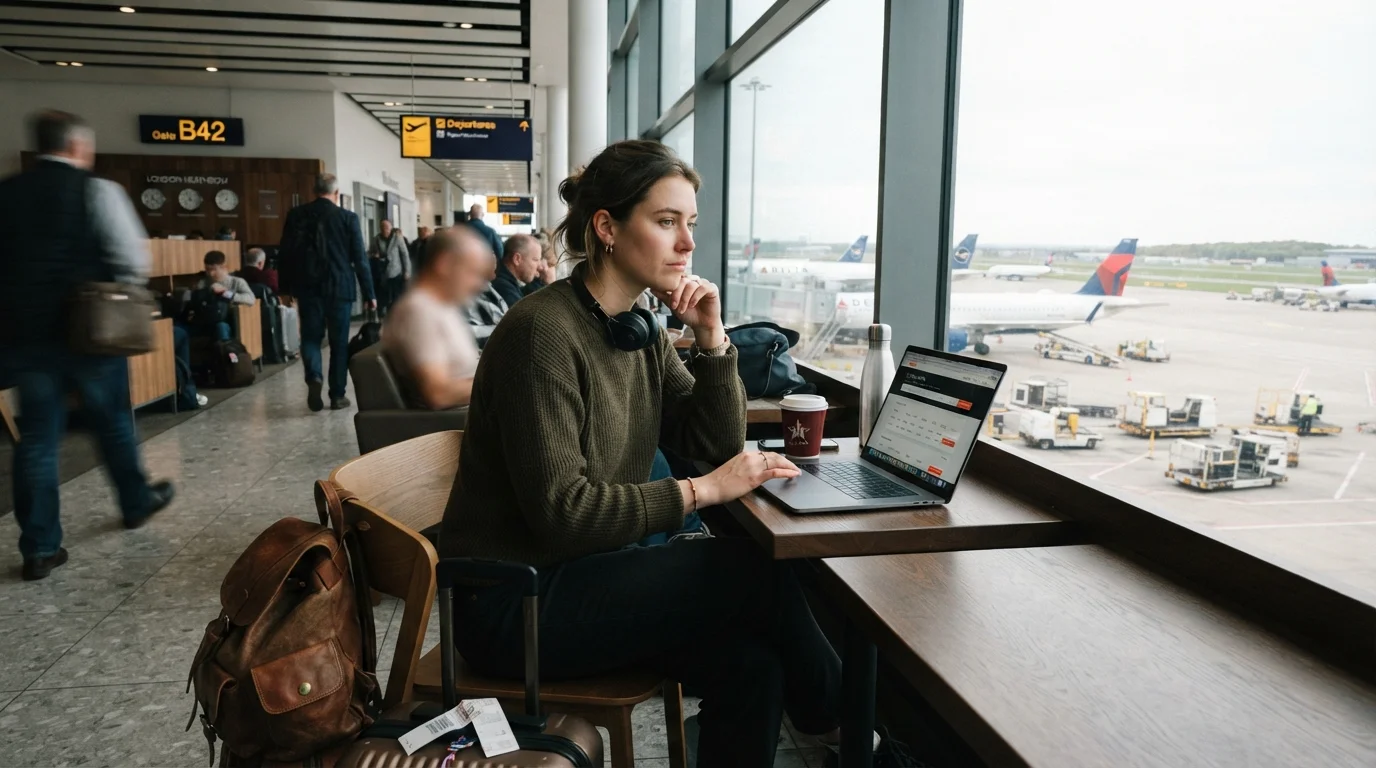
Wearing both earbuds or keeping your eyes on your phone screen while navigating unfamiliar streets cuts your environmental awareness in half. When moving through crowded, unfamiliar, or lower-visibility areas, keep at least one ear free and your phone pocketed. Use navigation audio prompts rather than watching a screen as you walk.
Identify exits and anchor points wherever you go
On entering any venue - a restaurant, transit station, hotel lobby, or market - take five seconds to locate the exits and note one or two fixed landmarks (a staircase, a distinctive sign, a service desk). This habit means that if you need to leave quickly or feel disoriented, you already have a mental map rather than having to construct one under pressure.
Trust discomfort and act on it early
If a situation, person, or location makes you uncomfortable, treat that signal seriously. You do not need to be able to articulate why you feel uneasy to act on it. Move toward a more populated area, enter a shop or public building, or change your route. Acting on early discomfort - before a situation escalates - is far more effective than waiting for certainty.
Check in with your trusted contact on a set schedule
Before departure, agree on a check-in schedule with someone at home - even a simple daily message confirming your location. Share your accommodation addresses and any major planned movements. If they do not hear from you within an agreed window, they should know exactly who to contact. This layer of external awareness is one of the most underused safety tools available to solo travelers.
Food Safety Is Part of Situational Awareness Too
Awareness extends beyond physical security. Knowing how to read a food environment - street stall hygiene, water safety, unfamiliar ingredients - is a parallel skill. Our guide on food safety abroad covers this in practical detail.
Common Mistakes That Undermine Awareness
Even experienced solo travelers can fall into habits that dull their awareness. The most common is phone distraction - checking maps, messages, or social media while walking through unfamiliar areas. This signals inattention to anyone observing you and narrows your own field of view dramatically.
Over-reliance on a single navigation tool is another vulnerability. If your phone battery dies or your data connection drops, having no mental map of your immediate area can leave you visibly disoriented. Before leaving your accommodation each day, orient yourself with a physical or offline map and identify at least one landmark per direction.
Finally, fatigue is a significant awareness suppressant. Long travel days, jet lag, and unfamiliar sleep environments reduce cognitive sharpness. Prioritizing rest is not a comfort choice - it is a safety one. Travel-related stress compounds this effect; for strategies on managing anxiety throughout your trip, see our article on managing travel stress and anxiety.
Never Share Real-Time Location Publicly
Posting your live location, hotel name, or daily schedule on public social media while traveling alone broadcasts your movements to anyone who follows you. Share travel photos and details after you have moved on from a location, not while you are there.