

Why Trip Timing Is a Strategy, Not an Afterthought
Most travelers choose dates based on when they can get away from work - which is understandable. But treating timing as purely a logistics question means leaving the quality of your trip largely to chance. The date you arrive shapes what you'll pay, how crowded attractions will be, what weather greets you, and whether local life feels open and alive or shuttered for a regional holiday.
Trip timing is one of the highest-leverage decisions in any travel plan. It intersects with nearly every other choice you'll make. As the core phases of trip planning make clear, understanding your destination's rhythms belongs early in the research process - not as a final detail.
~30%
Average hotel rate difference between peak and shoulder seasons
Industry analysis from hotel booking data consistently shows shoulder-season rates running roughly 25-35% lower than peak-season equivalents at the same properties.
2-3x
Visitor volume increase at top sites during peak periods
Research by destination management organizations at major European heritage sites shows visitor counts two to three times higher in peak months compared to shoulder months.
Understanding Peak, Shoulder, and Off-Season Travel
Most destinations follow a recognizable three-phase cycle: peak season (highest demand, highest prices, largest crowds), shoulder season (moderate conditions on all fronts), and off-season (quieter, cheaper, but potentially limited services or challenging weather).
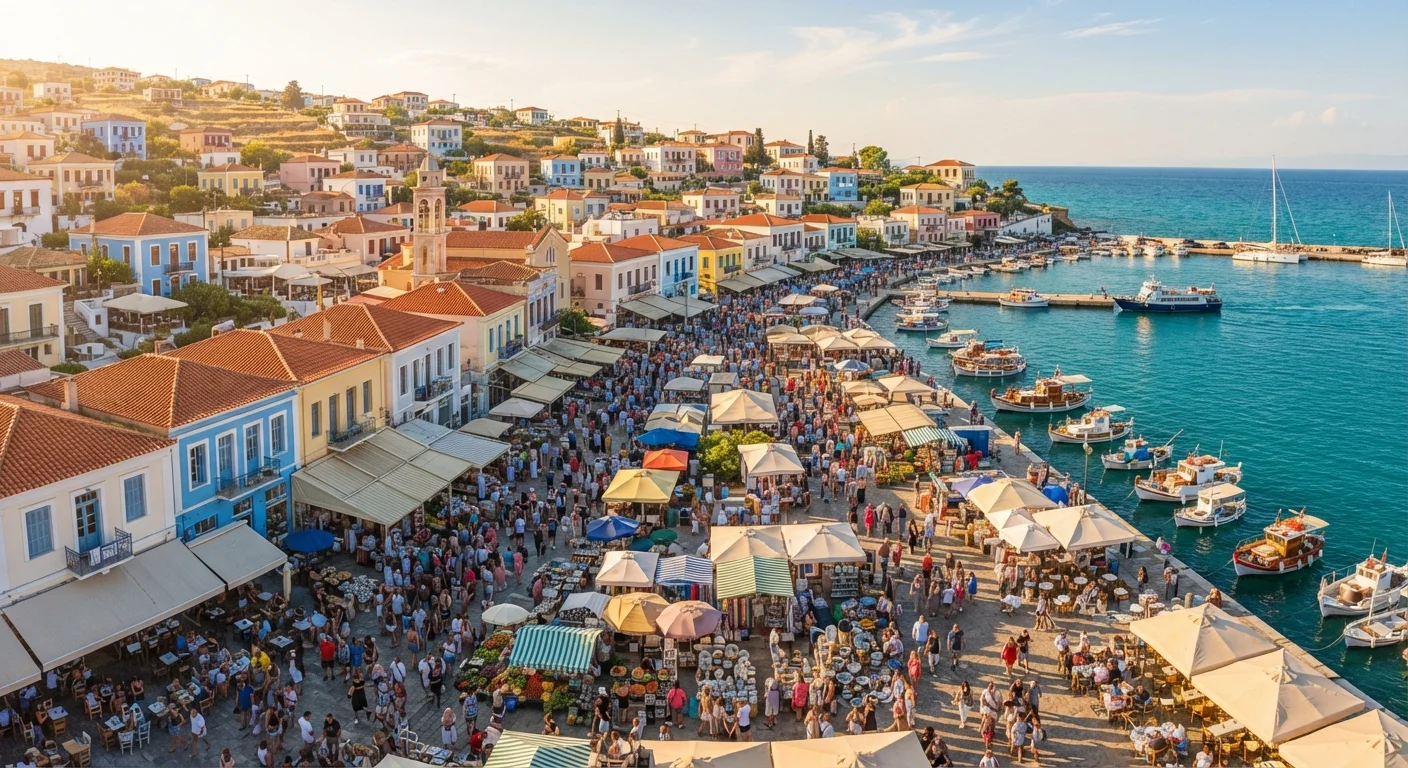
Peak season aligns with a destination's most favorable conditions - summer in Mediterranean Europe, dry season in Costa Rica, ski season in mountain resorts. Expect full lodging, advance booking requirements, and premium pricing for flights and tours.
Shoulder season is frequently the sweet spot for experienced travelers. You get largely favorable conditions with noticeably thinner crowds. A European city that feels overwhelming in July may be genuinely pleasant in late April or early October.
Off-season can work well if you research honestly. Some destinations have a quiet season precisely because weather turns genuinely difficult - not just slightly less ideal. Check historical weather data, not marketing copy, before committing to an off-season trip.
The Shoulder Season Sweet Spot
For most popular destinations, the last two to three weeks before or after peak season offer the strongest combination of good conditions and reduced pressure. Weather is rarely dramatically worse, but accommodation flexibility and on-the-ground experience often improve noticeably. If your schedule allows any flexibility at all, shifting by even two weeks can make a meaningful difference. Pair this with the budget travel strategies that apply across timing decisions to maximize what your travel dollars deliver.
Local Calendars: Festivals, Holidays, and Events
A major local festival can be a highlight of a trip or its biggest headache, depending on your preferences and preparation. Public holidays affect transportation schedules, museum hours, restaurant availability, and hotel rates - sometimes dramatically.
Religious and national holidays in particular can close entire sections of a city. In many countries, extended holiday periods cause domestic travel surges that fill trains and highways well before international tourists have thought to book. This is the kind of detail covered in easy-to-miss planning details that experienced travelers learn to watch for.
Conversely, timing a visit to coincide with a regional harvest festival, a traditional parade, or a cultural ceremony can create memories that no guidebook attraction can match. The key is deciding intentionally rather than discovering the situation on arrival.
Verify Dates With Official Sources
Festival and holiday schedules can shift year to year due to lunar calendars, government decisions, or extraordinary circumstances. Always confirm specific dates through official national tourism boards or government sites rather than relying solely on third-party travel blogs. Entry requirements and local regulations can also change, so check official sources close to your travel date.
Practical Steps for Locking In the Right Dates
Translate all of this into a repeatable decision process:
Research historical weather data, not just seasonal generalizations
"Dry season" and "rainy season" labels vary widely in practice. A destination's shoulder month may still see significant precipitation, or its supposed peak may include unpredictable storms. Data from meteorological services gives you a realistic picture rather than a marketing one.
Build a local holiday and event calendar before booking
Public holidays affect accommodation availability, local transport, and which attractions are open. Knowing these dates in advance lets you either plan around them or lean into them as highlights rather than stumbling into them unprepared.
Match your crowd tolerance to your destination's traffic patterns
Some travelers thrive on the energy of a busy destination; others find it draining. Being honest about your preference helps you choose a timeframe aligned with your actual enjoyment rather than chasing dates that look good on paper.
Check how timing affects what's actually open and accessible
Some attractions, trails, or regional transport routes operate seasonally. A destination may technically be open year-round while specific experiences you've planned for are closed, restricted, or at reduced capacity during your chosen window.
Account for domestic travel surges, not just international tourism peaks
International traveler patterns and domestic vacation seasons don't always align. A destination that seems off-peak for foreign visitors can be extremely crowded during local school holidays or national travel periods, affecting prices and availability significantly.
Once you've settled on a timeframe, move directly into structuring your days. The step-by-step guide to building a working itinerary shows how to arrange activities in a sequence that accounts for the seasonal conditions you've already researched. And if you're new to planning trips independently, this first-timer's roadmap gives you the full picture from destination choice to departure day.