

What Debt Consolidation Actually Means
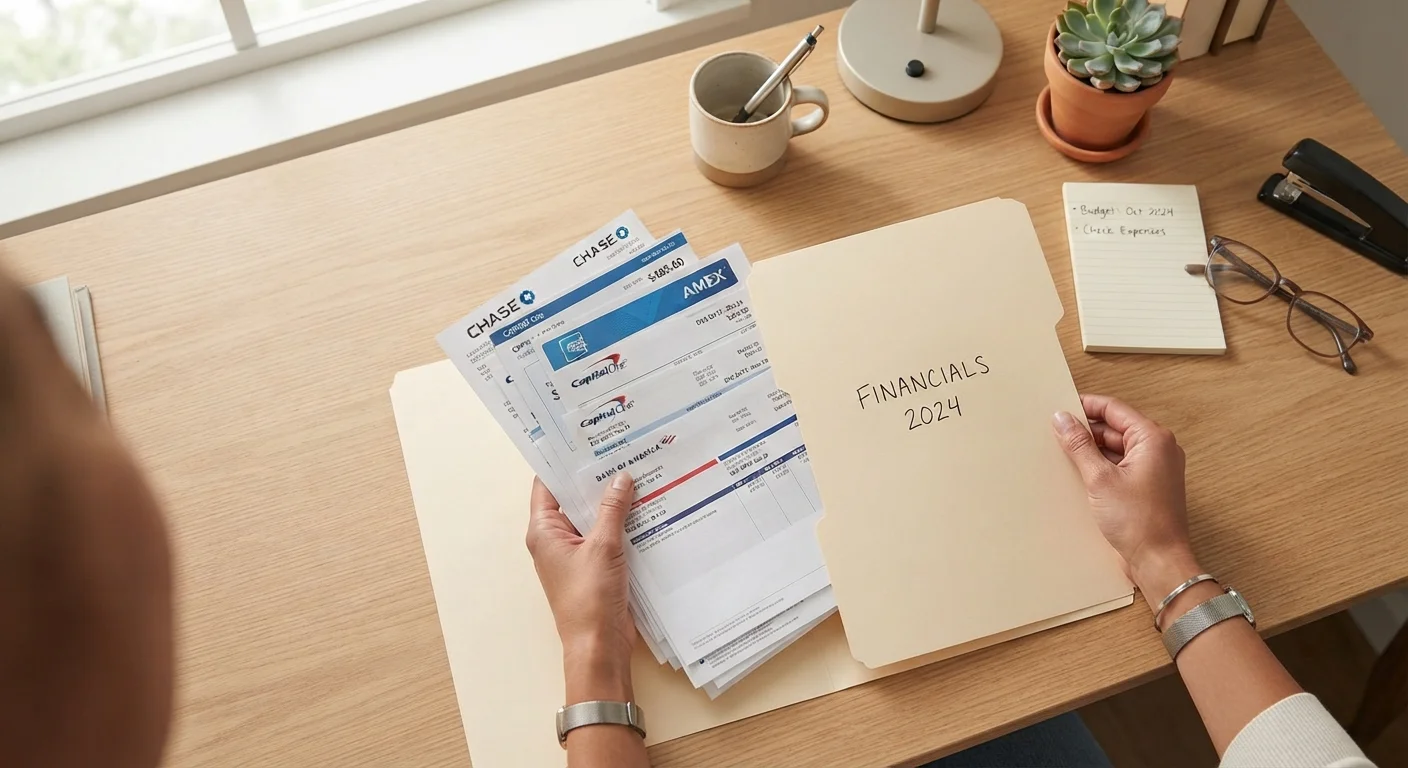
Debt consolidation is the process of combining several existing debts - such as credit card balances, medical bills, or personal loans - into a single new loan or credit account. The goal is usually to secure a lower interest rate, reduce the number of monthly payments, or both.
The two most common methods are a personal installment loan (you borrow a lump sum, pay off your existing debts, then repay the new loan in fixed monthly installments) and a balance transfer credit card (you move existing card balances onto one card, often with a promotional 0% APR period). If you're weighing those two approaches, see a detailed comparison of credit cards vs. personal loans for debt payoff before deciding.
If you're newer to how debt and interest work in the first place, this first-timer's overview of debt is a useful starting point.
The Real Advantages of Consolidating Debt
When the conditions are right, consolidation offers tangible financial benefits - not just the comfort of a single statement.
Simplifies repayment with one monthly payment
Managing a single due date and payment amount reduces the mental load of tracking multiple creditors, which can help borrowers stay consistent and avoid late fees.
May lower your overall interest rate
Borrowers with good credit who move high-APR credit card debt (often 20-29%) into a personal loan at a lower rate can save hundreds or thousands of dollars in interest over the repayment period.
Fixed repayment timeline adds structure
Unlike revolving credit card debt with no set end date, a consolidation loan typically has a defined term - so you know exactly when you'll be debt-free if you make every payment.
Can improve credit utilization ratio
Paying off revolving credit card balances with a personal loan reduces your credit utilization - the share of available credit you're using - which is a significant factor in credit score calculations.
20-29%
Typical APR range for credit cards in the US
According to Federal Reserve data, average credit card interest rates have remained at or near record highs in recent years, making high-rate debt particularly costly to carry.
1-8%
Common origination fee range for personal loans
Consumer Financial Protection Bureau (CFPB) resources note that origination fees vary widely by lender and borrower credit profile, and should be factored into consolidation calculations.
The Limitations You Shouldn't Overlook
Consolidation is often presented as a solution, but it's more accurately a restructuring tool. Understanding what it doesn't fix is just as important as understanding what it does.
Does not eliminate the underlying debt
Consolidation moves debt from one place to another; the total balance owed remains the same. Without changed spending behavior, many borrowers find themselves back in the same position within a few years.
Longer terms can mean more interest overall
Stretching a debt over a longer repayment period - even at a lower rate - can result in paying more total interest than if you'd aggressively paid down the original debts on a shorter timeline.
Qualification depends heavily on credit score
Borrowers with damaged credit may not qualify for rates low enough to make consolidation worthwhile, or may be offered terms that are no better than their existing debts.
Fees can erode the savings
Origination fees on personal loans (commonly 1-8% of the loan amount) and balance transfer fees (typically 3-5%) can eat into projected interest savings, especially on smaller debt amounts.
Risk of accumulating new debt on cleared cards
Once credit card balances are paid off through consolidation, those accounts remain open and available. Without a deliberate plan, many borrowers charge them back up, compounding the problem.
Nonprofit Credit Counseling Is an Option
If your debt feels unmanageable or you're unsure consolidation is right for you, nonprofit credit counseling agencies can provide free or low-cost guidance. They may also offer Debt Management Plans (DMPs), which are structured repayment arrangements negotiated with creditors - distinct from consolidation loans. The National Foundation for Credit Counseling (NFCC) maintains a directory of accredited member agencies across the US.
When Consolidation Makes Sense - and When It Doesn't
Consolidation tends to work well when you have multiple accounts with high interest rates, a credit score strong enough to qualify for a meaningfully lower rate, and a steady income to cover the new payment. It can also make sense if the complexity of tracking several due dates is leading to missed payments and fees.
It's less appropriate if your total debt is manageable on your current income, if consolidation would extend your repayment timeline significantly, or if you haven't identified why the debt accumulated. Without addressing the underlying habits, many borrowers end up with both the new consolidation loan and freshly charged credit card balances.
If you prefer a structured payoff approach without a new loan, it's worth understanding how the debt avalanche and debt snowball methods compare - both can be effective alternatives or complements to consolidation.
For a broader view of managing debt and credit as a US consumer, this comprehensive resource covers credit scores, repayment strategies, and consumer rights in one place.
This article is for general informational purposes only and does not constitute personalised financial or legal advice. Consult a licensed financial adviser or credit counselor to evaluate the best strategy for your individual circumstances.