

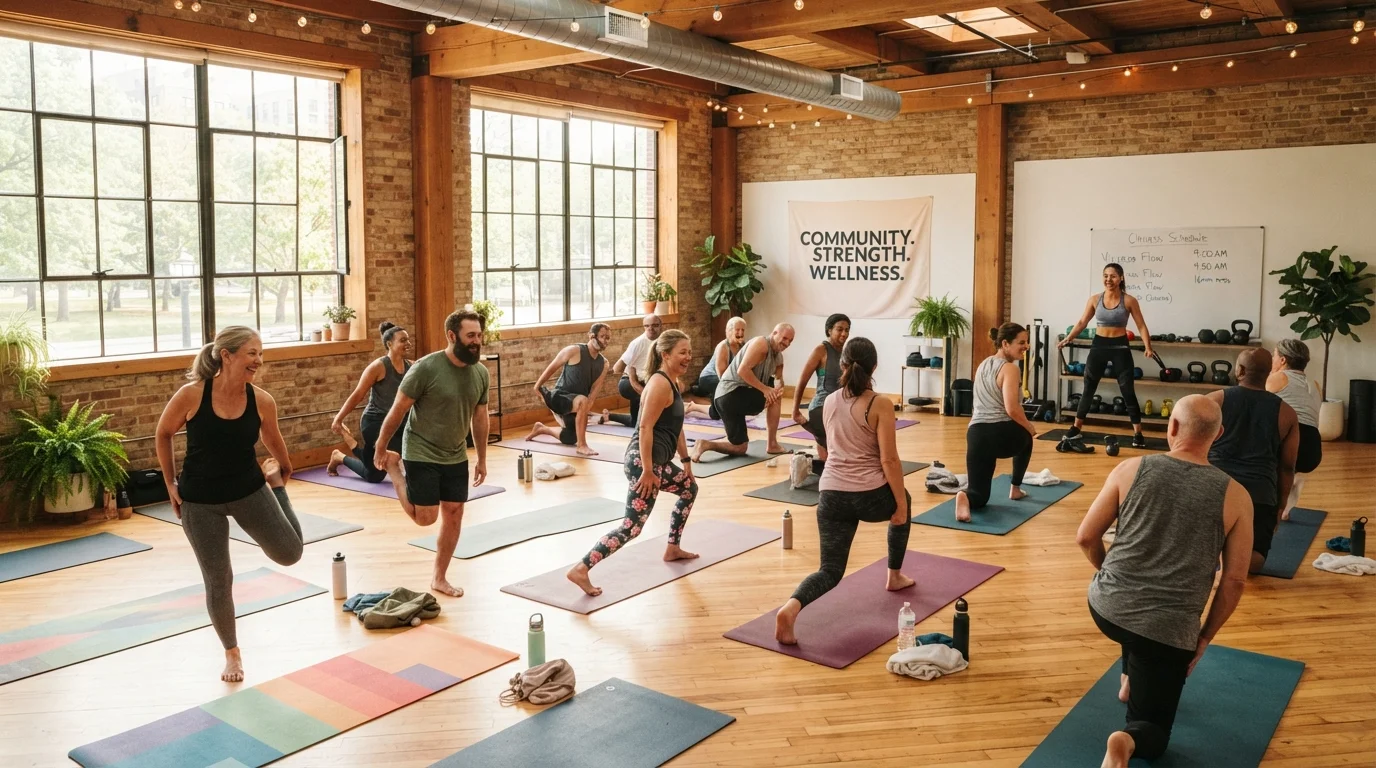
Why First-Timers Often Walk Out and Never Come Back
The dropout rate after a first group fitness class is surprisingly high - and rarely because the class itself was wrong for the person. Most people leave feeling embarrassed, lost, or physically overwhelmed because nobody told them what to expect or how to show up prepared.
Walking into a room full of people who seem to know every move, every cue, and every unwritten rule is genuinely intimidating. But that confidence is almost always just familiarity - not fitness superiority. This checklist exists to get you that familiarity before you walk through the door.
If you're also returning to movement after time away, our guide on starting exercise after a long break pairs well with this one and covers realistic expectations for rebuilding physical capacity safely.
Before You Register
Day-of Preparation
During the Class
After Class Recovery
What to Bring, Wear, and Eat
Logistics matter more than most first-timers expect. Wearing the wrong shoes for a high-impact class, forgetting water, or eating a heavy meal an hour before can turn an otherwise good experience into a miserable one.
Supportive athletic footwear
Provides stability and cushioning appropriate to the class format - wrong shoes increase injury risk on high-impact or lateral movement classes.
Water bottle (at least 16-20 oz)
Keeps you hydrated throughout class without requiring you to leave your spot or rely on shared station access.
Small towel
Manages sweat during moderate-to-high intensity formats and keeps equipment surfaces dry.
Grip socks
Required or strongly recommended for barre, Pilates reformer, or studio yoga classes where bare feet on equipment create slip risk.
Fitness tracker or heart rate monitor
Helps you stay within an appropriate exertion range on your first session, especially useful if you're new to gauging intensity.
On nutrition: a light, easily digestible snack - something like a banana or a small handful of crackers - about 60 to 90 minutes before class tends to work well for most people. Avoid heavy meals or high-fat foods close to class time. Everyone's digestion is different, so pay attention to how your body responds. For more grounding guidance on building a healthy eating baseline, see our article on building healthier eating habits.
Don't Skip Telling the Instructor About Injuries
It can feel awkward to flag a bad knee or a shoulder issue before class, but instructors need this information to offer you safe modifications. Many injuries become worse - not better - when people push through without guidance. A brief 30-second conversation before class starts can meaningfully change how an instructor cues you throughout the session.
After Class: What's Normal and What to Do Next
Some muscle soreness in the 24 to 48 hours following your first class is common - this is called delayed onset muscle soreness (DOMS) and reflects your muscles adapting to new demands. It typically peaks around 48 hours and fades on its own. Gentle movement, adequate hydration, and sleep are the most evidence-supported ways to support recovery.
What is not normal: sharp joint pain during or after class, chest pain, dizziness that doesn't resolve quickly, or pain that significantly worsens over 48 hours. These warrant a conversation with a healthcare provider before you return to that format.
Give a class at least two or three sessions before deciding it isn't for you. The first visit is always the steepest learning curve.
This article is for general informational and educational purposes only and does not constitute medical or fitness advice. Consult a qualified healthcare professional before beginning any new exercise program, particularly if you have existing health conditions, injuries, or concerns.
Know When to Stop During Class
Feeling challenged and breathless is expected in many formats. Feeling chest tightness, significant dizziness, nausea, or sharp pain in any joint is not normal exertion - it is a signal to stop immediately. Inform the instructor and, if symptoms do not resolve quickly, seek medical attention. No fitness goal is worth overriding clear warning signals from your body.