
Why Calorie Counting Isn't the Only Path to Balanced Eating
Calorie counting can feel precise, but research suggests it often creates a fraught relationship with food for many people. Estimates from food labels carry built-in error margins, calorie-burning varies significantly between individuals, and the mental overhead of logging every bite can make eating feel like a burden rather than nourishment. That doesn't mean calories are irrelevant - energy balance matters - but they aren't the only lever worth pulling.
For most people, building better eating habits is more sustainable when it focuses on food quality and composition rather than numeric targets. Frameworks like the plate method give you a repeatable visual structure that naturally guides portion balance without a calculator. If you're new to thinking about nutrition fundamentally, our practical starting point for healthier eating covers foundational concepts worth understanding first.
These Are General Guidelines, Not Personal Prescriptions
The frameworks described in this article reflect mainstream dietary guidance and are intended for general educational purposes. Individual needs vary based on age, health status, activity level, and other factors. If you have a diagnosed health condition or specific nutritional concerns, work with a registered dietitian or your physician to develop an approach tailored to you.
Best Practices for Building a Balanced Plate
The following practices are grounded in mainstream dietary guidance from institutions such as the USDA and the American Heart Association. They're designed to complement - not replace - advice from your own healthcare provider.
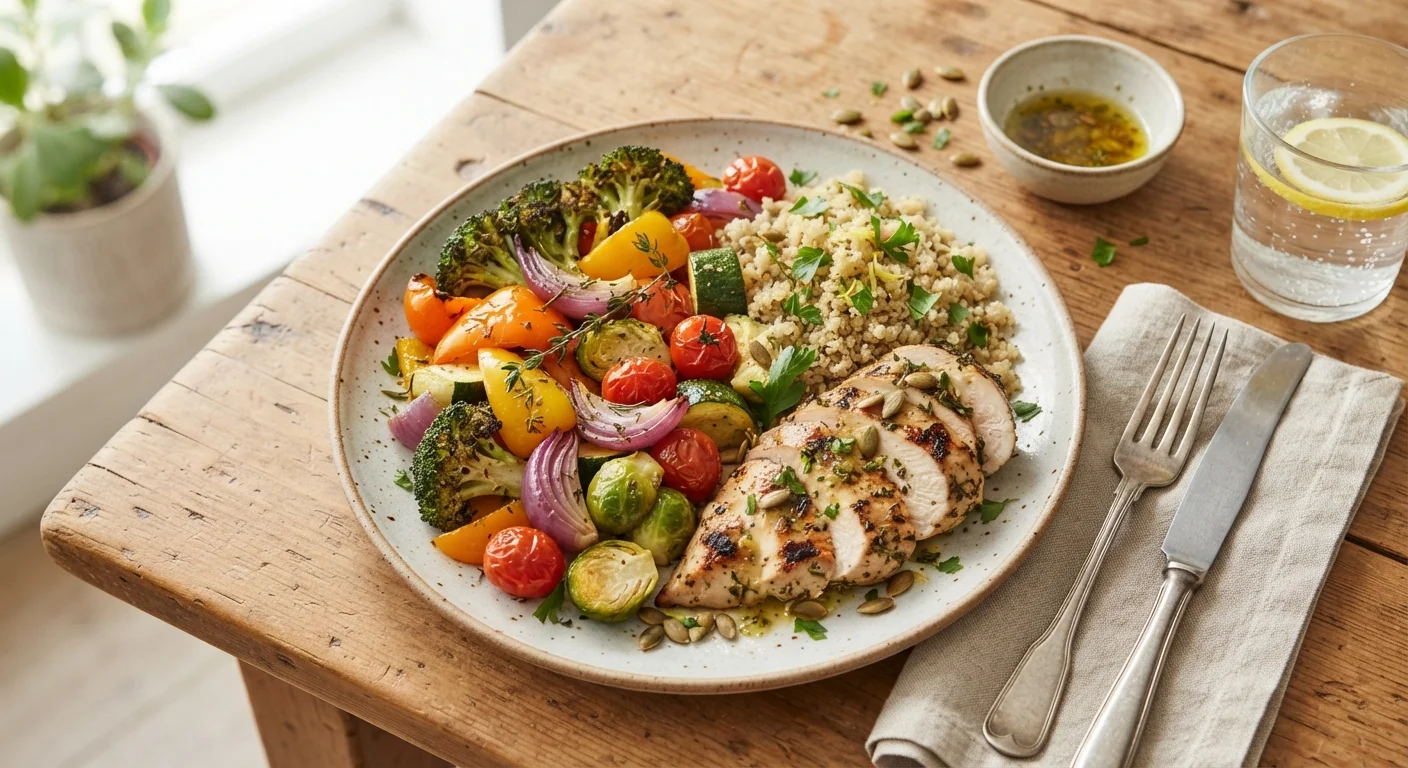
Use the plate method as your default visual guide at every meal.
Filling half your plate with non-starchy vegetables, one quarter with a lean or plant-based protein, and one quarter with whole grains naturally calibrates portion balance without counting a single number. This structure is endorsed by the USDA's MyPlate guidelines and has been associated with better dietary quality in observational research.
Eat slowly and pause mid-meal to check your hunger level.
Fullness signals from your gut take roughly 15-20 minutes to reach the brain, meaning fast eaters often overshoot comfort before registering satiety. Slowing down gives those signals time to arrive, supporting more intuitive portion control. Studies published in journals such as the American Journal of Clinical Nutrition have linked faster eating rates to higher caloric intake.
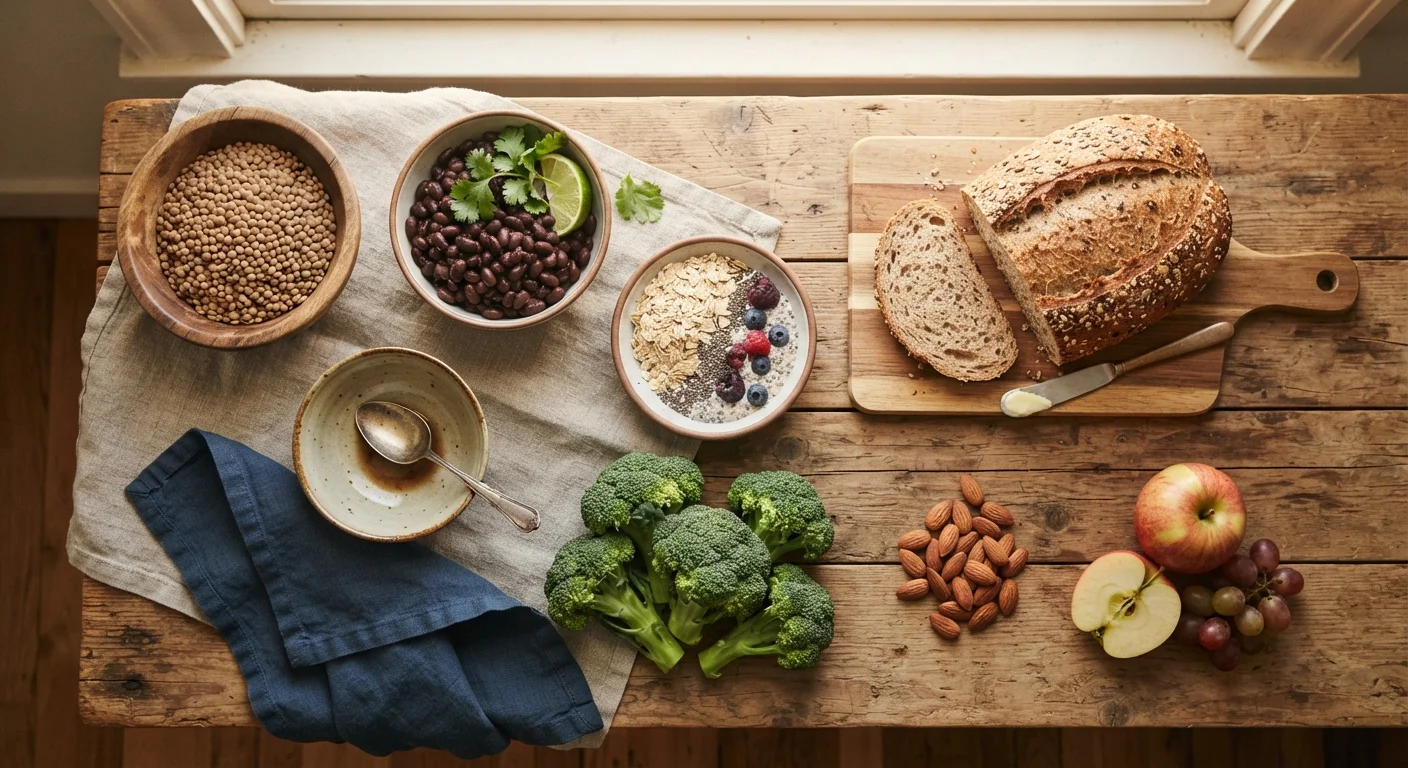
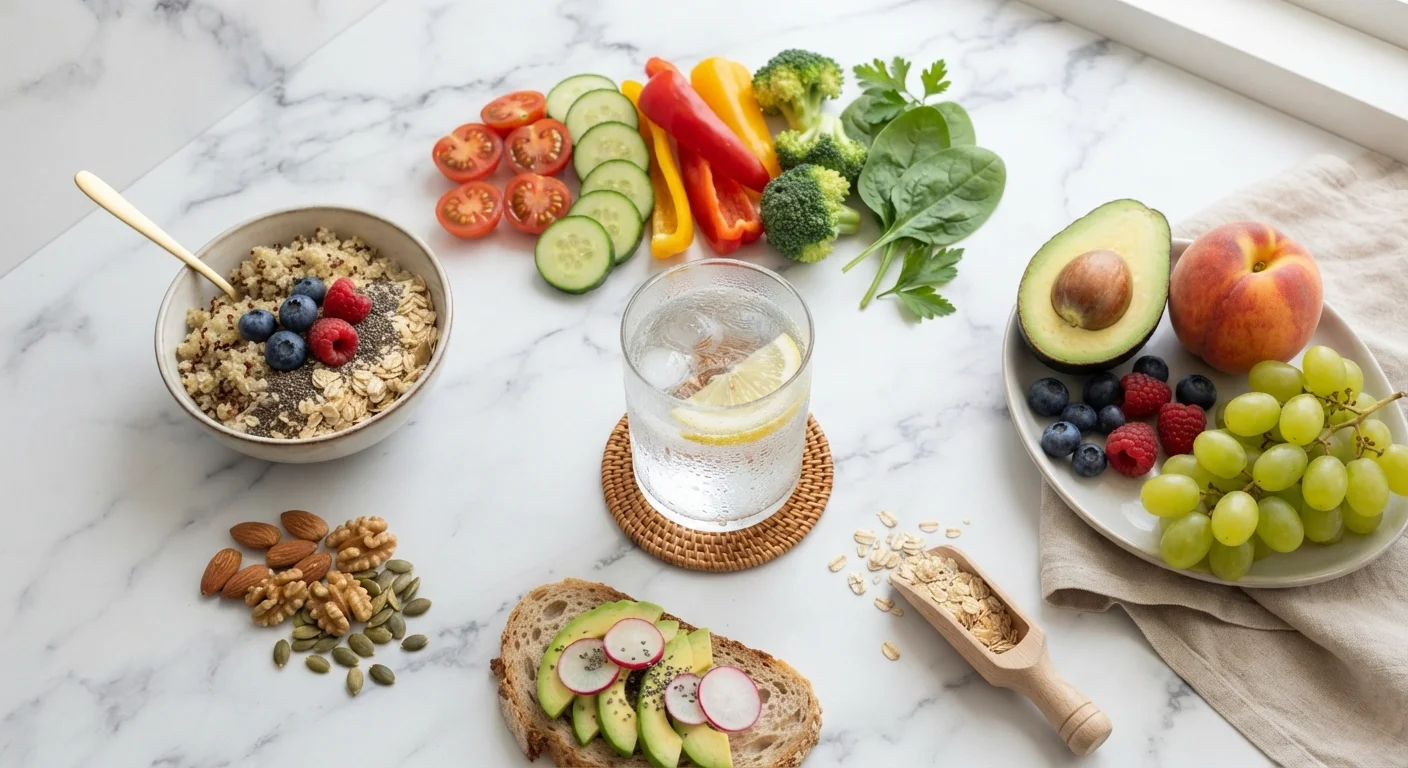
Prioritize variety across food groups rather than optimizing individual nutrients.
Whole foods deliver nutrients in combinations - fiber, vitamins, minerals, phytochemicals - that interact in ways isolated supplements don't replicate. Dietary diversity is consistently linked to better gut microbiome health and broader micronutrient coverage in large epidemiological studies.
Make vegetables the structural anchor of your meals, not an afterthought.
Vegetables are nutrient-dense and high in fiber, which supports satiety and digestive health. When they occupy half the plate by habit, they displace higher-calorie foods without deprivation, and the fiber slows digestion in a way that moderates blood sugar response.
Choose minimally processed foods as your defaults, reserving ultra-processed options for occasions.
Ultra-processed foods - those with long ingredient lists featuring additives, flavor enhancers, and refined starches - have been associated with higher caloric consumption and poorer satiety signaling in research published in journals such as Cell Metabolism. Whole or minimally processed foods typically require more chewing and deliver more fiber, slowing intake naturally.
Quick Wins You Can Apply Today
Sustainable change rarely requires an overhaul. The following actions are low-friction starting points that make balanced eating easier without demanding perfection.
For a deeper look at how portion sizes have quietly shifted over the decades and how to recalibrate your eye for normal servings, see our article on understanding portion distortion.
Putting the Plate Method Into Context
No single eating strategy works identically for everyone. People managing chronic conditions, those who are pregnant or breastfeeding, older adults, and children all have specific nutritional needs that general frameworks don't fully address - always consult a registered dietitian or physician for personalized guidance.
~20 min
Time for gut fullness signals to reach the brain
Physiology research consistently estimates a 15-20 minute lag between eating and satiety signaling, underscoring why eating pace affects intake.
Half
Recommended plate share for vegetables and fruits
The USDA MyPlate framework recommends that vegetables and fruits occupy at least half of every meal plate.
~57%
Share of US calories from ultra-processed foods
A study published in BMJ Open estimated that ultra-processed foods account for roughly 57% of total energy intake among US adults.
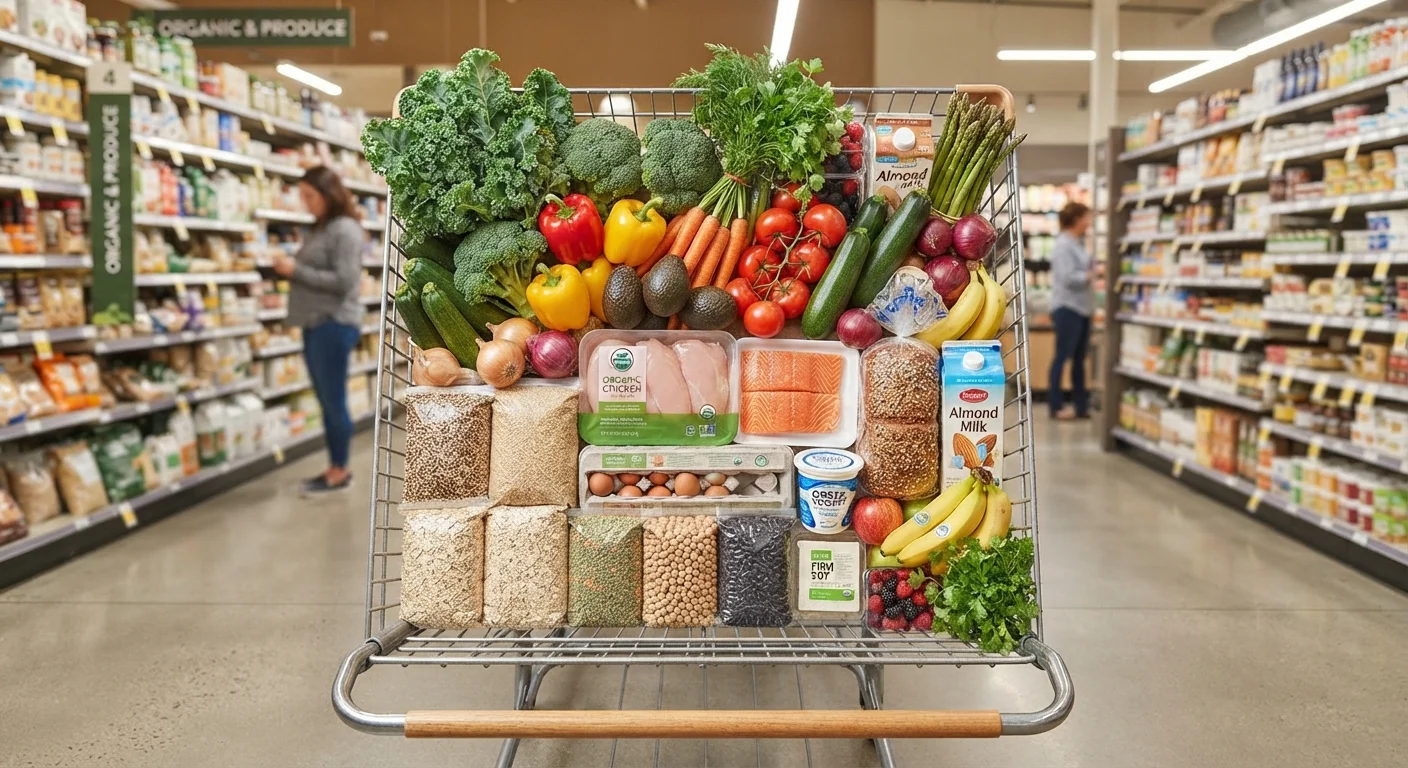
The plate method works best as a repeatable default, not a rigid rule applied to every meal. If you're exploring ways to shift more of your plate toward plants, our guide on plant-based eating for omnivores offers realistic strategies. And if budget is a constraint, healthy eating on a budget shows how to apply these principles without overspending at the grocery store.
“The best diet is the one you can actually follow. Sustainable eating patterns built around whole foods and variety consistently outperform short-term restrictive approaches in long-term health outcomes.”
— Walter Willett, Professor of Epidemiology and Nutrition, Harvard T.H. Chan School of Public Health
This article is for informational purposes only and does not constitute medical or dietary advice. Consult a qualified healthcare professional before making significant changes to your diet.