

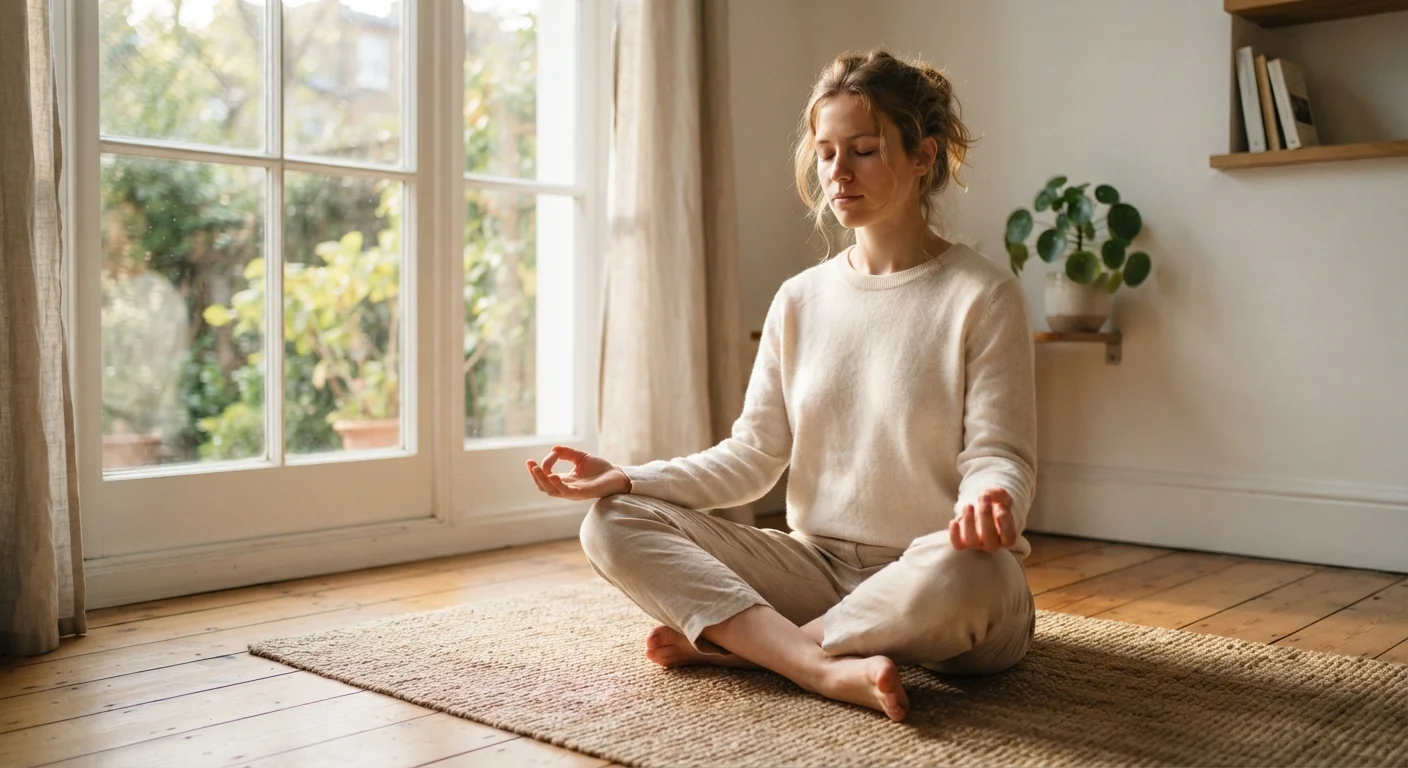
What Mindfulness Actually Means
Mindfulness is the practice of directing deliberate, non-judgmental attention to the present moment - to what you are thinking, feeling, sensing, or experiencing right now. The word is often used loosely, but its clinical definition, popularized in the West by researcher Jon Kabat-Zinn, is precise: paying attention on purpose, in the present moment, non-judgmentally.
It is not about emptying the mind or achieving a permanent state of calm. The mind will wander - that is normal and expected. Mindfulness is the act of noticing when it does and returning attention, gently, without self-criticism. That noticing-and-returning is the actual practice.
Rooted in Buddhist contemplative traditions dating back over 2,500 years, mindfulness was formally introduced into mainstream healthcare in the late 1970s through Mindfulness-Based Stress Reduction (MBSR), a structured program developed at the University of Massachusetts Medical School. Since then, it has been studied extensively in psychological and medical research as a tool for managing stress, anxiety, and chronic pain. For a broader mental wellness context, see the guide to building a daily mental wellness routine.
The Science Behind Mindfulness
The evidence base for mindfulness has grown substantially. Research published in peer-reviewed journals including JAMA Internal Medicine and Psychological Science consistently links mindfulness training to reductions in self-reported stress, anxiety, and depressive symptoms, particularly in non-clinical populations.
~30%
Reduction in anxiety symptoms
A meta-analysis in JAMA Internal Medicine (Goyal et al., 2014) found mindfulness meditation programs produced moderate reductions in anxiety, depression, and pain.
8 weeks
Standard MBSR program length
The Mindfulness-Based Stress Reduction program developed at UMass Medical School typically runs 8 weeks with structured weekly sessions.
43%
Of US adults report stress impacts sleep
According to the American Psychological Association's Stress in America survey, stress-related sleep disruption affects a large portion of US adults annually.
Neuroimaging studies suggest that regular practice is associated with structural and functional changes in brain regions involved in attention regulation and emotional processing, including the prefrontal cortex and amygdala. These findings are promising, though researchers note that study designs vary and long-term effects require further investigation.
Mindfulness-Based Cognitive Therapy (MBCT), a descendant of MBSR, has been evaluated in randomized controlled trials and is recognized by organizations such as the UK's National Institute for Health and Care Excellence (NICE) as a supported intervention for preventing recurrence of depression in people with three or more prior episodes.
Mindfulness also pairs well with other evidence-based approaches. For a look at complementary self-help strategies, the overview of CBT-based techniques offers grounded, accessible options.
Core Mindfulness Practices to Know
Mindfulness encompasses several distinct practices. Understanding each helps you choose what fits your life.
- Breath awareness meditation: Sitting quietly and anchoring attention to the physical sensations of breathing - the rise and fall of the chest, the feeling of air entering the nostrils. When the mind wanders, the instruction is simply to return to the breath.
- Body scan: A systematic movement of attention through the body, from feet to head, noticing sensation without trying to change it. Often practiced lying down and used in MBSR programs.
- Mindful movement: Practices such as yoga, tai chi, or slow walking where attention is placed on physical sensation and movement rather than external goals. This connects naturally to broader fitness and movement habits.
- Open monitoring meditation: Rather than fixing attention on one object, practitioners observe whatever arises - thoughts, sounds, sensations - without engaging or suppressing them.
- Loving-kindness meditation (Metta): Cultivating compassionate feelings toward oneself and others through structured mental phrases. Research suggests it may increase positive affect and social connection.
Start with a single two-minute breath-awareness practice anchored to a habit you already have - morning coffee, tooth-brushing, or waiting for your computer to start. Consistency matters far more than duration in the early weeks.
Habit-stacking (attaching a new behavior to an established one) is one of the most reliably effective methods for building sustainable practice, as documented in behavioral psychology research.
When you notice your mind has wandered during meditation, treat the moment of noticing as the success - not the wandering as a failure. That act of recognition is the practice working exactly as intended.
Reframing the noticing-moment as progress rather than the wandering as failure reduces self-critical reactions that are among the most common reasons people abandon mindfulness practice early.
Bringing Mindfulness Into Daily Routines
Formal meditation sessions are valuable, but informal mindfulness - intentional awareness woven into existing activities - is often more sustainable for beginners. The key is attaching the practice to something you already do.
Start Small and Stack Habits
Attach mindfulness to an existing daily habit rather than carving out new time. Even two focused, intentional minutes while drinking your morning coffee counts as practice. Building frequency before duration is the approach most supported by habit formation research.
- Morning routine: Spend the first two minutes after waking noticing physical sensations rather than reaching for your phone.
- Eating: One meal or snack each day eaten slowly and without screens - noticing taste, texture, and hunger cues. This intersects naturally with building healthier eating habits.
- Commuting: On public transit or waiting in line, observe surroundings with curiosity instead of defaulting to distraction.
- Transitions: Take three conscious breaths before switching tasks or entering a meeting - a micro-reset that costs nothing.
Pairing mindfulness with reflective habits amplifies its effect. The research on journaling for mental health shows that expressive writing can complement mindfulness by helping process what awareness surfaces.
Common Barriers and How to Work Through Them
Most people encounter predictable obstacles. Recognizing them early prevents dropout.
Mindfulness Is Not Universally Effortless
For some individuals - particularly those with trauma histories - intensive mindfulness practice can occasionally surface difficult emotions or memories. This does not mean mindfulness is wrong for you, but it does mean slowing down and consulting a mental health professional if distress arises consistently during practice.
- "I can't stop thinking."
- This reflects a misunderstanding of the goal. The aim is not a blank mind but noticing thought as thought. Thinking is not failure.
- "I don't have time."
- Five minutes is a genuine starting point. Research on brief mindfulness interventions supports measurable benefit from very short, consistent practice - the key word is consistent.
- "I got distracted and stopped."
- Missing days is normal. Self-compassion - treating your lapse as you would a friend's - is itself a core mindfulness principle. Restart without self-judgment.
- "It feels silly or uncomfortable."
- Discomfort during introspective practice can surface difficult emotions. If that happens repeatedly at intensity, it is a signal to consult a mental health professional rather than push through alone.
For a structured way to gauge how stress and mood are affecting you, a personal mental health check-in framework can help identify patterns worth addressing.
When to Seek Professional Support
Mindfulness is a wellness practice, not a clinical intervention when self-administered. It is appropriate for everyday stress, mild tension, and building general emotional resilience. It is not a substitute for professional care when symptoms are significant, persistent, or interfering with daily functioning.
Mindfulness Does Not Replace Clinical Care
If you are experiencing persistent low mood, anxiety that disrupts daily life, or any other significant mental health symptoms, please seek support from a licensed mental health professional. Mindfulness is a valuable complement to treatment, not a replacement for it. In an emergency, contact the 988 Suicide and Crisis Lifeline by calling or texting 988.
If you are experiencing symptoms of depression, anxiety disorder, trauma, or any mental health condition, please speak with a licensed mental health professional. Mindfulness can often complement therapy - many therapists integrate it into treatment - but that integration should be guided by someone with clinical training.
Similarly, if mindfulness practice consistently brings up distressing memories or sensations, that is clinically meaningful information worth discussing with a professional rather than something to manage alone.
This article is for general informational and educational purposes only and is not a substitute for professional medical or mental health advice, diagnosis, or treatment. Always consult a qualified healthcare provider with questions about your mental or physical health.