
What Envelope Budgeting Actually Is
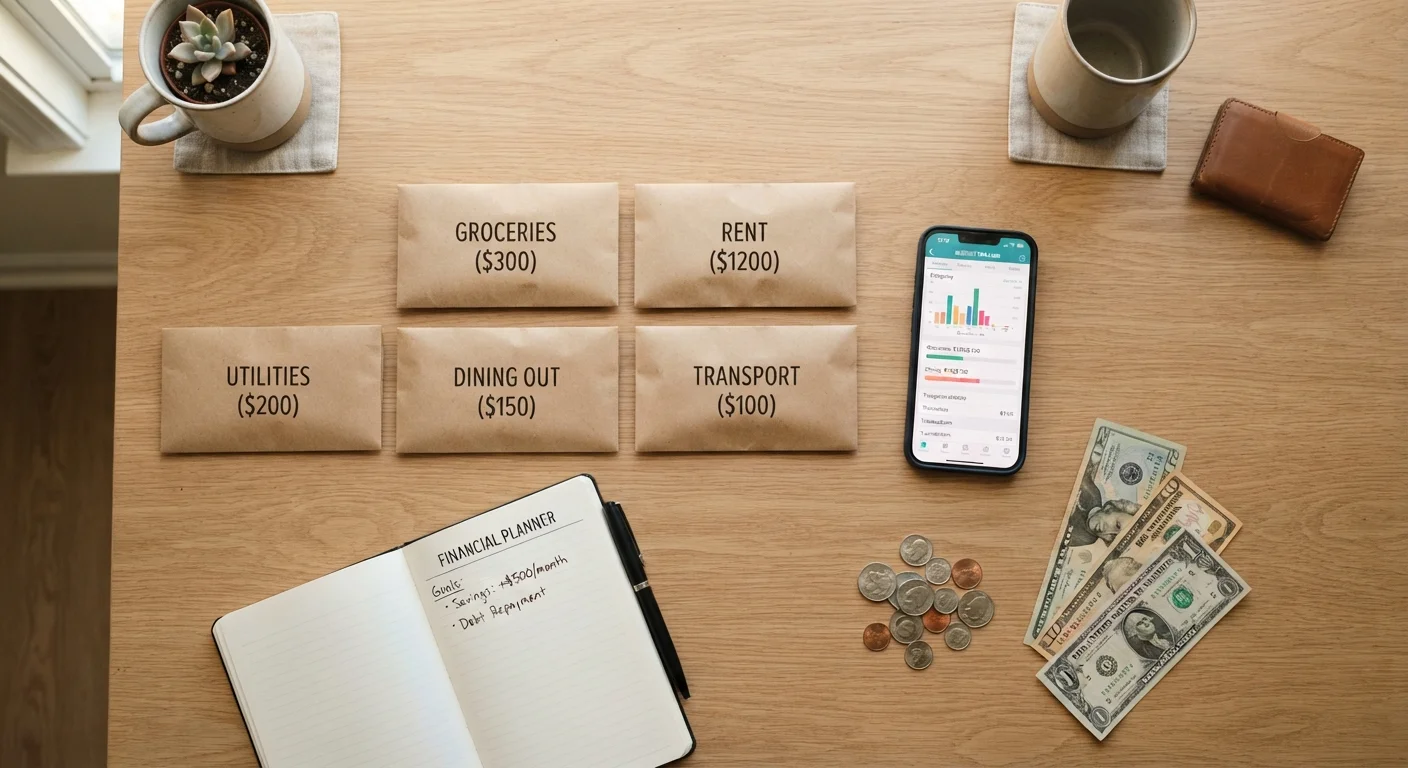
The envelope method is a cash-based budgeting system where you divide your take-home pay into physical envelopes, each labeled for a specific expense category - groceries, dining out, gas, entertainment, and so on. When an envelope is empty, spending in that category stops until the next pay period. No borrowing from next month, no vague intentions to "spend less."
The logic is deliberately simple: physical cash is finite and visible. Handing over bills registers more than a card tap, which helps curb unconscious overspending. Research in behavioral economics has consistently found that payment method affects perceived cost - cash tends to feel more "real."
If you're new to budgeting frameworks altogether, our guide for beginners explains the foundational concepts - income, fixed costs, and variable expenses - that underpin any budgeting approach, including this one.
Envelope Budgeting Covers Variable Expenses Best
The envelope method is most effective for discretionary, variable spending - groceries, dining, entertainment, clothing. Fixed costs like rent, car payments, and insurance are better handled as line items outside your envelopes, since their amounts don't change and you can't meaningfully cap them mid-month. Think of envelopes as managing what's flexible, not what's locked in.
How the Digital Version Works
Because most Americans now pay digitally, a strict cash-only system can be impractical. Digital envelope budgeting preserves the category-limit principle without requiring physical bills. Common approaches include:
- Bank sub-accounts: Open separate savings or checking accounts for each major spending category and transfer the budgeted amount at the start of the month.
- Budgeting apps: Software designed around the envelope concept lets you create virtual envelopes, connect transaction data, and see real-time balances per category without moving money between accounts.
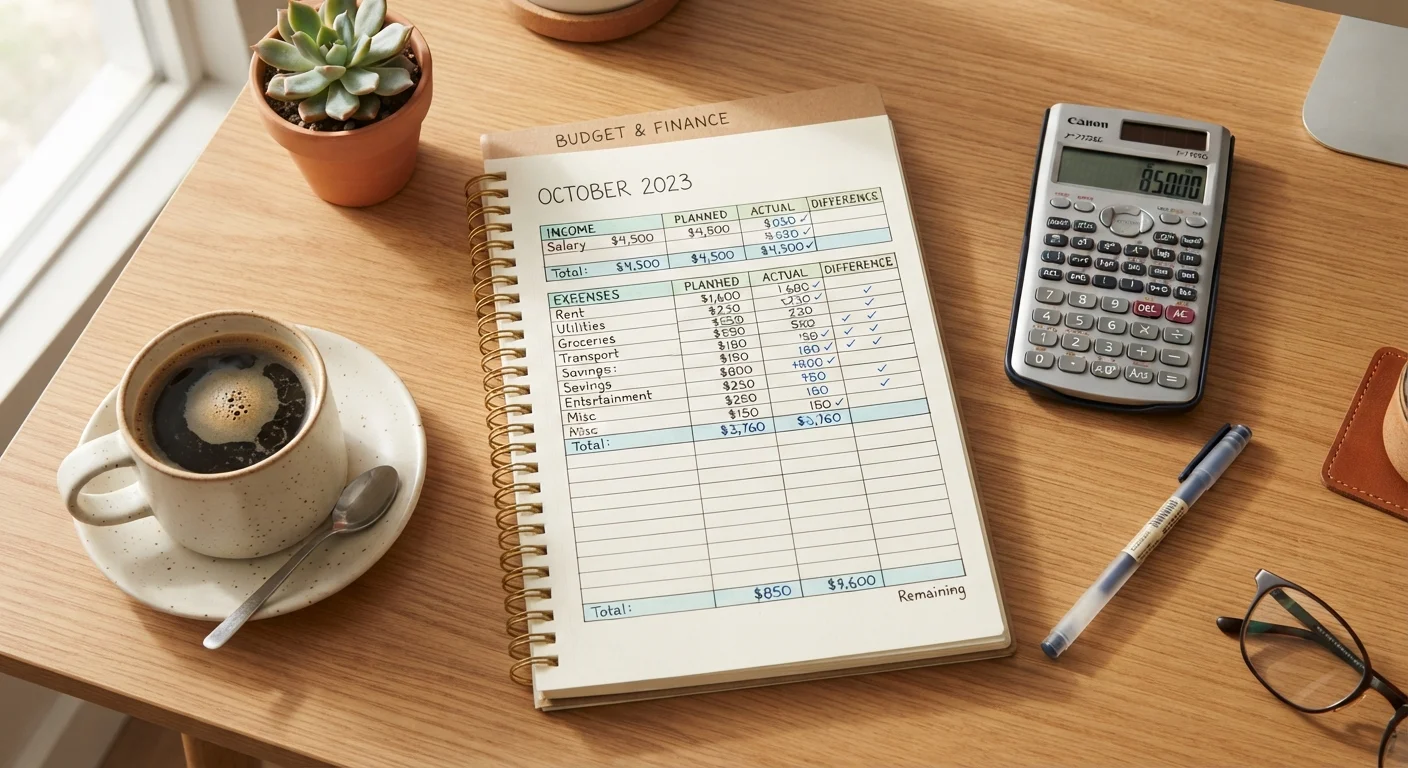
- Spreadsheets: A manually updated spreadsheet with columns per category replicates the logic at zero cost.
The trade-off with digital envelopes is reduced friction. Swiping a card against a virtual envelope is easier than handing over cash, so the psychological spending brake is weaker. Discipline and consistent check-ins matter more.
74%
Americans living paycheck to paycheck
A 2023 report by LendingClub found approximately 74% of Americans reported living paycheck to paycheck, underscoring the need for structured spending frameworks.
18%
Reduction in discretionary spending with cash
A study published in the Journal of Consumer Research found participants spent roughly 18% less when using cash compared to credit cards for discretionary purchases.
Pros of Envelope Budgeting
The envelope system has endured for decades because it solves real problems that looser budgeting approaches leave unaddressed.
Creates hard spending limits that are easy to see
Knowing exactly how much remains in each category eliminates the ambiguity that leads to gradual overspending. You make trade-offs consciously rather than discovering them at month's end.
Builds genuine awareness of spending patterns
Allocating money by category at the start of the month forces you to confront where your money actually goes, which is often different from where you think it goes.
Simple enough to start without financial expertise
The concept requires no accounting knowledge or financial background - just an honest look at income and expenses, and the discipline to respect category limits.
Encourages deliberate reallocation over impulse spending
When one envelope runs dry, spending more requires consciously moving money from another category. That pause tends to reduce unnecessary purchases.
Adaptable to digital tools and modern banking
Virtual envelopes in banking apps and budgeting software preserve the method's core logic for people who rarely carry cash, making it practical for most households.
To see how it compares to pay-yourself-first, zero-based budgeting, and other frameworks, see our comparison of popular budgeting frameworks.
Cons of Envelope Budgeting
No budgeting method is universally ideal. The envelope system has real limitations worth understanding before committing to it.
Cash-only version is impractical for most transactions
Online shopping, recurring subscriptions, and card-only merchants make pure cash budgeting difficult to sustain consistently in everyday life.
Doesn't naturally account for irregular or variable income
Freelancers, gig workers, and anyone with fluctuating paychecks may struggle to pre-allocate fixed envelope amounts when monthly income is unpredictable.
Requires consistent manual tracking to remain effective
Without regular check-ins - often weekly - virtual envelopes can fall out of sync with actual spending, defeating the system's purpose.
Can feel rigid when genuine unexpected expenses arise
A medical co-pay or car repair doesn't fit neatly into pre-set envelopes, and adjusting mid-month can feel like "breaking" the budget rather than managing it.
Psychological friction is lower with digital envelopes
Card payments against virtual envelopes lack the tangible spending signal of handing over cash, which reduces one of the original method's most effective behavioral benefits.
Building strong habits around any budget system takes time. Our article on habits that keep a budget working long-term outlines the routines that help people stay consistent month after month.
Getting Started: A Practical First Step
Rather than overhauling your entire financial life at once, start with two or three categories where you routinely overspend. Assign realistic limits based on your last two or three months of actual spending - not aspirational targets. Transfer those amounts into separate accounts or create virtual envelopes at the start of your next pay period.
Review your envelope balances weekly, not just when you're about to make a purchase. Mid-month check-ins catch problems early and give you time to adjust before an envelope hits zero. Our monthly budget setup checklist walks through each step of this process, from verifying your income to setting a realistic review schedule.
Envelope budgeting fits within a broader personal finance picture. If you want an end-to-end view - from first paycheck to long-term goals - explore the full personal budgeting resource. And once your spending is under control, building and growing your savings becomes the natural next focus.
This article is for general informational and educational purposes only. It does not constitute personalized financial advice. Consult a qualified financial professional for guidance tailored to your individual circumstances.