
The Real Reason Month Two Is the Breaking Point
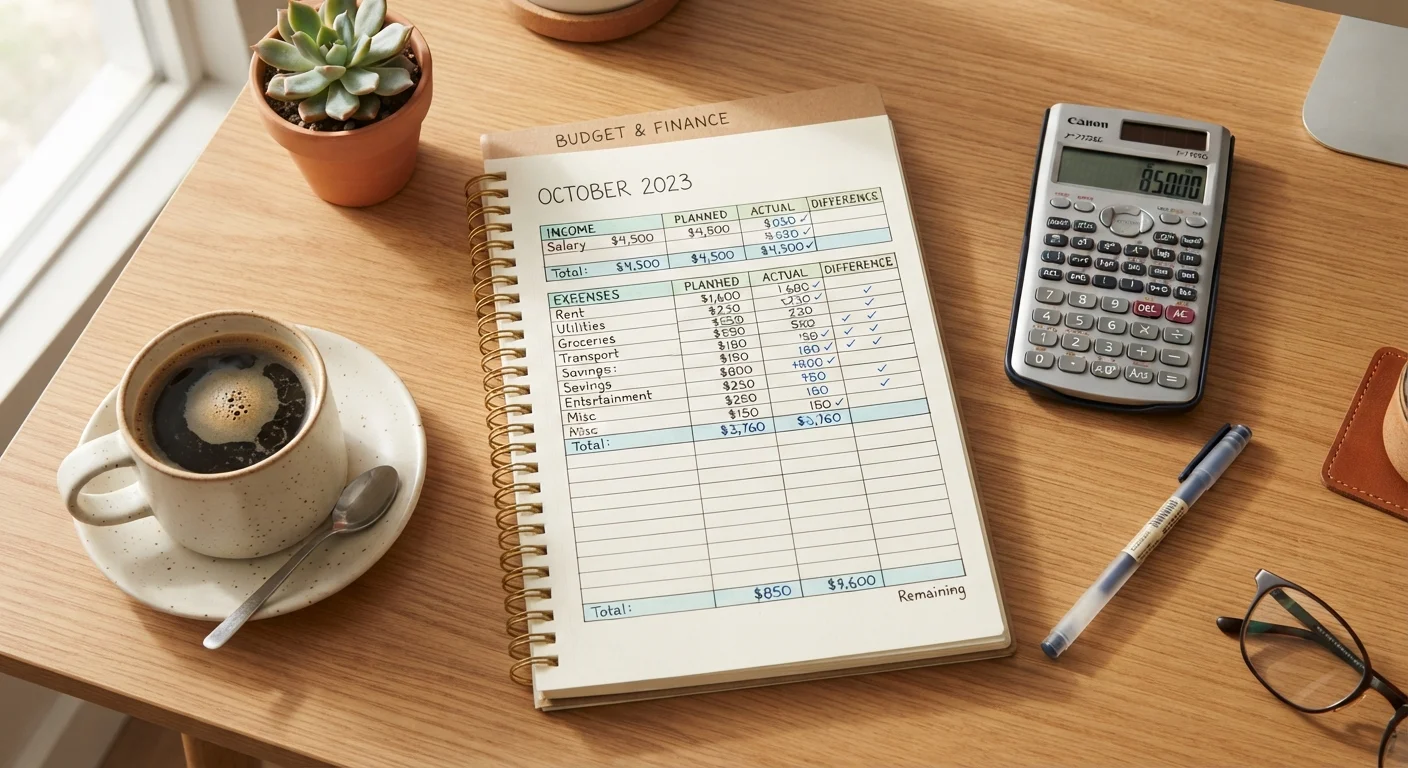
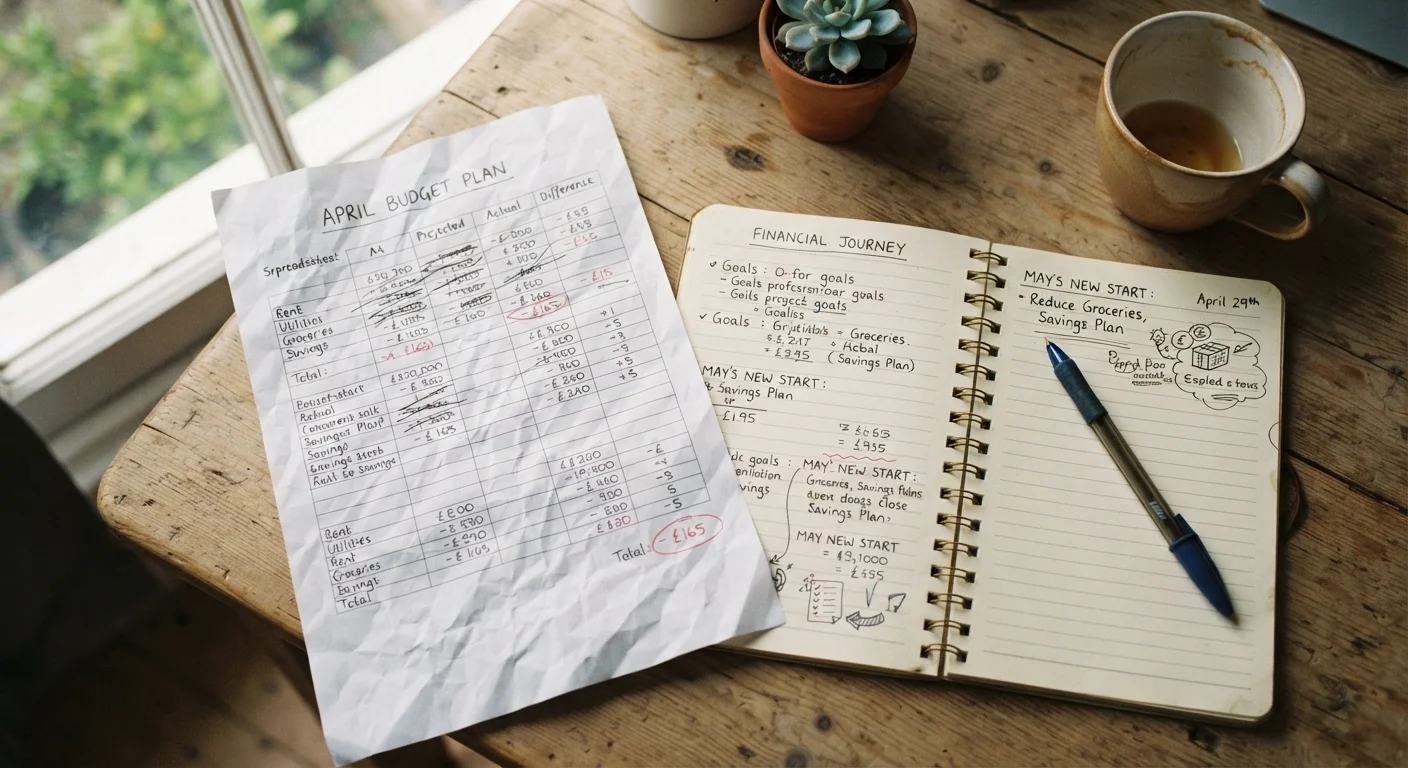
January budgets are full of energy. By February, most are quietly abandoned. Research from financial behavior studies consistently shows that motivation peaks in the first few weeks of any new financial habit - then reality sets in. Unexpected costs appear. Rigid spending limits collide with actual life. The gap between what the budget assumed and what actually happened becomes too wide to ignore.
The good news: budget failure is almost never a willpower problem. It's a design problem. Understanding the structural and behavioral mistakes that cause budgets to collapse is the first step toward building one that won't. If you're starting from scratch, this foundational guide to personal budgeting covers the core concepts before you read further.
This Is Education, Not Financial Advice
This article provides general financial information for educational purposes only. It is not personalized financial, investment, tax, or legal advice. For guidance specific to your situation, consult a qualified financial professional.
Common Mistakes That Sink Budgets - and How to Fix Them
The mistakes below are structural and behavioral. They're predictable, which means they're preventable. Each one is more common than most people realize - and fixing even one or two can dramatically extend how long a budget stays on track.
Building a budget based on ideal spending, not actual spending.
Why it happens: People tend to underestimate how much they really spend on discretionary items like dining out or subscriptions. The first budget reflects how they wish they spent money, not how they actually do.
Leaving no room for irregular or infrequent expenses.
Why it happens: Monthly budgets focus on monthly costs, so annual or quarterly expenses - car registration, insurance premiums, back-to-school supplies - get overlooked until they arrive and blow the budget.
Setting spending limits that are too aggressive to maintain.
Why it happens: Motivated by a financial goal, many people slash categories - groceries, entertainment, clothing - to unrealistic levels. When real life intrudes, the budget feels like a punishment and gets abandoned.
Treating a budget as a one-time document rather than a living tool.
Why it happens: The act of creating a budget feels like an accomplishment in itself, so people set it and forget it - until month two reveals that income or expenses have shifted.
Relying on willpower alone instead of building structural guardrails.
Why it happens: Many people believe that knowing the budget is enough to follow it. But decision fatigue, stress, and impulse spending are powerful forces that willpower consistently loses to over time.
~80%
People who abandon New Year's financial resolutions
Behavioral finance research broadly suggests the majority of financial resolutions - including budgeting - are abandoned within the first two months of the year.
$1,500+
Average annual irregular expense gap in household budgets
Consumer finance surveys indicate many households routinely underestimate irregular annual expenses by over a thousand dollars, contributing to recurring budget shortfalls.
If you're also curious about the psychological patterns behind quitting new habits, the behavioral patterns behind quitting exercise programs reveal strikingly similar dynamics to what happens with budgets.
What a Budget That Lasts Actually Looks Like
A durable budget is flexible, realistic, and reviewed regularly. It accounts for the hidden costs most budgets miss - annual bills, irregular expenses, and lifestyle creep - not just monthly recurring costs. It also builds in a small buffer for the unpredictable, because something unpredictable will happen.
Perhaps most importantly, a budget that sticks doesn't demand perfection. Overspending in one category doesn't mean the budget has failed - it means you have data for next month's adjustments. That mindset shift, from rule-following to problem-solving, is what separates people who maintain financial control long-term from those who give up after the first stumble. For a hands-on walkthrough, building your first monthly budget from scratch provides a step-by-step framework you can apply today.
Avoid Drastic Spending Cuts
Slashing multiple spending categories at once rarely works and often backfires. When a budget feels punishing, people abandon it entirely rather than making gradual adjustments. Sustainable change comes from small, consistent steps - not financial austerity. If you're unsure where to start, common budget myths may be holding you back more than your spending habits are.
This article is for general informational and educational purposes only and does not constitute personalized financial advice. Consult a qualified financial professional for guidance tailored to your specific circumstances.