

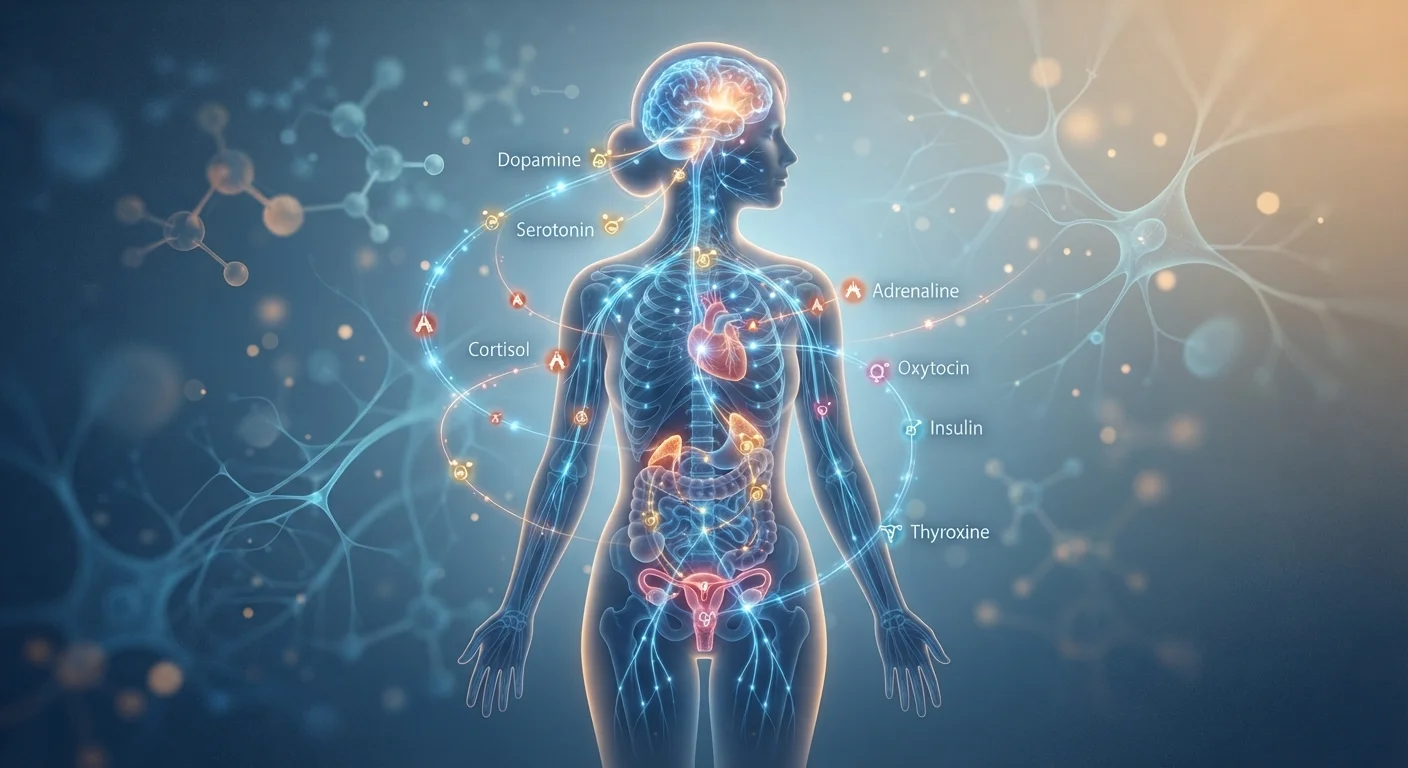
The Biology Behind the Stress Alarm
When your brain perceives a threat - whether it's a near-miss on the highway or an overflowing inbox - a rapid chain reaction begins. The hypothalamus signals the adrenal glands to release adrenaline (epinephrine), causing your heart rate to spike, muscles to tense, and senses to sharpen. Seconds later, the longer-acting hormone cortisol follows, sustaining that state of high alert.
This is the classic fight-or-flight response, and it is genuinely life-saving in acute situations. The problem arises when modern stressors - financial pressure, relationship conflict, work demands - keep this system activated day after day. Unlike a predator that eventually disappears, these stressors rarely have a clear endpoint.
“The stress response is one of the most powerful systems in the human body - exquisitely designed for short-term survival, but not for the chronic, unrelenting pressures of modern life.”
— Robert Sapolsky, Neuroendocrinologist and author of 'Why Zebras Don't Get Ulcers'
What Chronic Stress Does to Your Body
Research has linked prolonged stress to a wide range of physiological changes across body systems:
- Cardiovascular system: Sustained high cortisol and adrenaline elevate blood pressure and heart rate over time, contributing to arterial strain and increased cardiovascular risk.
- Immune system: While short bursts of stress can temporarily enhance immune function, chronic stress suppresses it - reducing the body's ability to fight infections and mount appropriate inflammatory responses.
- Brain and cognition: The hippocampus, a brain region central to memory and learning, is sensitive to prolonged cortisol exposure. Studies suggest chronic stress can impair memory consolidation and contribute to attention difficulties.
- Digestive system: The gut has its own complex nervous system and is highly responsive to stress hormones, which can disrupt motility, alter gut microbiome composition, and worsen conditions like irritable bowel syndrome.
77%
Adults experiencing physical stress symptoms
According to the American Psychological Association's Stress in America survey, a large majority of U.S. adults report experiencing physical symptoms they associate with stress.
2-3×
Increased cardiovascular risk with chronic stress
Research published in cardiology literature suggests individuals with high chronic stress levels face substantially elevated risk of cardiovascular events compared to low-stress counterparts.
30%
Reduction in immune cell activity under stress
Studies on psychological stress and immunity have documented significant decreases in natural killer cell activity - a key component of immune defense - during periods of prolonged stress.
Understanding these pathways matters because it reframes stress management - it's not just about feeling calmer. It's about protecting measurable aspects of your physical health.
The Stress-Sleep Loop You May Not Recognize
One of the most clinically significant - and underappreciated - consequences of chronic stress is its impact on sleep. Elevated evening cortisol disrupts the natural drop in physiological arousal that sleep requires. The result: difficulty falling asleep, more fragmented sleep, and less restorative slow-wave sleep.
The feedback runs in both directions. Poor sleep itself elevates cortisol the following day, amplifying the stress response to everyday events. Over time, this loop compounds, making both stress and sleep progressively harder to manage. Research on sleep's role in emotional processing shows the damage extends beyond fatigue - it reshapes how the brain handles negative emotions.
Breaking the Stress-Sleep Cycle
If stress is disrupting your sleep, a consistent wind-down routine - dimming lights, avoiding screens, and trying slow diaphragmatic breathing - can signal to your nervous system that the threat has passed. Even modest improvements in sleep quality can reduce next-day cortisol levels, helping interrupt the cycle over time.
What the Evidence Says About Managing the Response
No wellness practice eliminates stress, but several have meaningful evidence behind them for reducing the physiological burden it creates.
Controlled breathing activates the parasympathetic nervous system - the counterpart to fight-or-flight - and can measurably lower heart rate and cortisol within minutes. Meditation and deep breathing work through distinct mechanisms, and the right fit depends on your temperament and schedule.
Social connection is another underrated physiological lever. Research indicates that strong social ties are associated with lower cortisol reactivity and faster recovery from acute stressors. The evidence on social connection as a health tool is compelling enough that it belongs in any serious discussion of stress management.
Building emotion regulation skills rounds out the picture - these are the cognitive tools that determine how you interpret and respond to stressors before the physiological cascade even begins.
This article is for informational purposes only and is not a substitute for professional medical advice, diagnosis, or treatment. Consult a qualified healthcare provider about any health concerns or before making changes related to stress management.