
Why the Nutrition Facts Panel Exists
The FDA mandated the Nutrition Facts label in 1994 and updated its design significantly in 2020, requiring manufacturers to highlight added sugars, update serving sizes to reflect how people actually eat, and make calorie counts more prominent. The label applies to most packaged foods sold in the US. Understanding it is one of the most practical nutrition skills available to everyday shoppers.
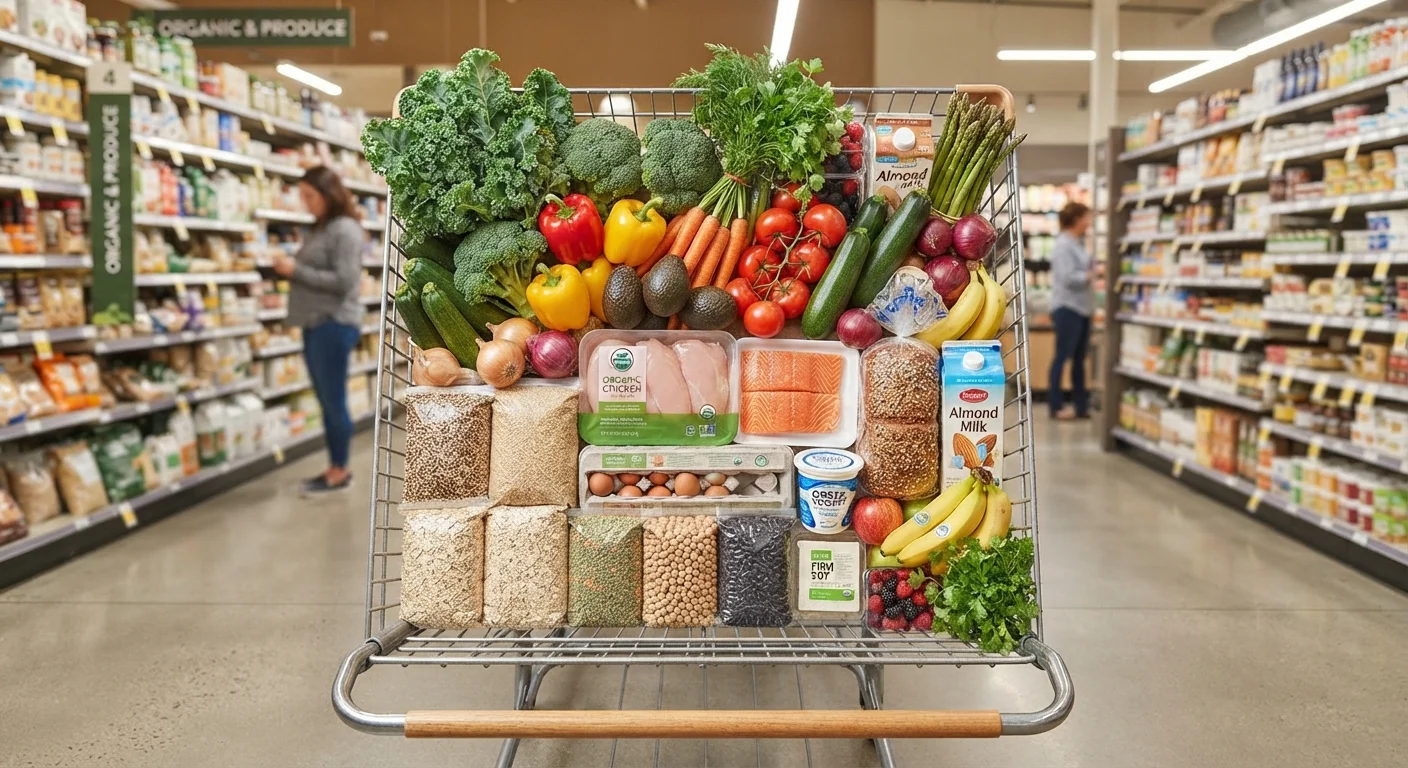
Despite being familiar, the label trips people up in predictable ways - misreading serving sizes, ignoring the %DV column, or fixating on calories while overlooking fat quality and sugar type. This guide walks through each section in order, so you can read any label confidently in under a minute. If you want to put label-reading into practice at the store, a practical checklist for grocery shopping with nutrition in mind can help translate label literacy into real purchasing decisions.
What you will need
Step-by-Step: Reading the Label from Top to Bottom
Follow these steps with a real package in hand for the best results. The label is designed to be read in order - each section builds on the one above it.
Packaged food item
Provides a real label to practice reading alongside this guide.
Smartphone calculator
Useful for multiplying nutrient values by the number of servings you actually eat.
Find the serving size and servings per container
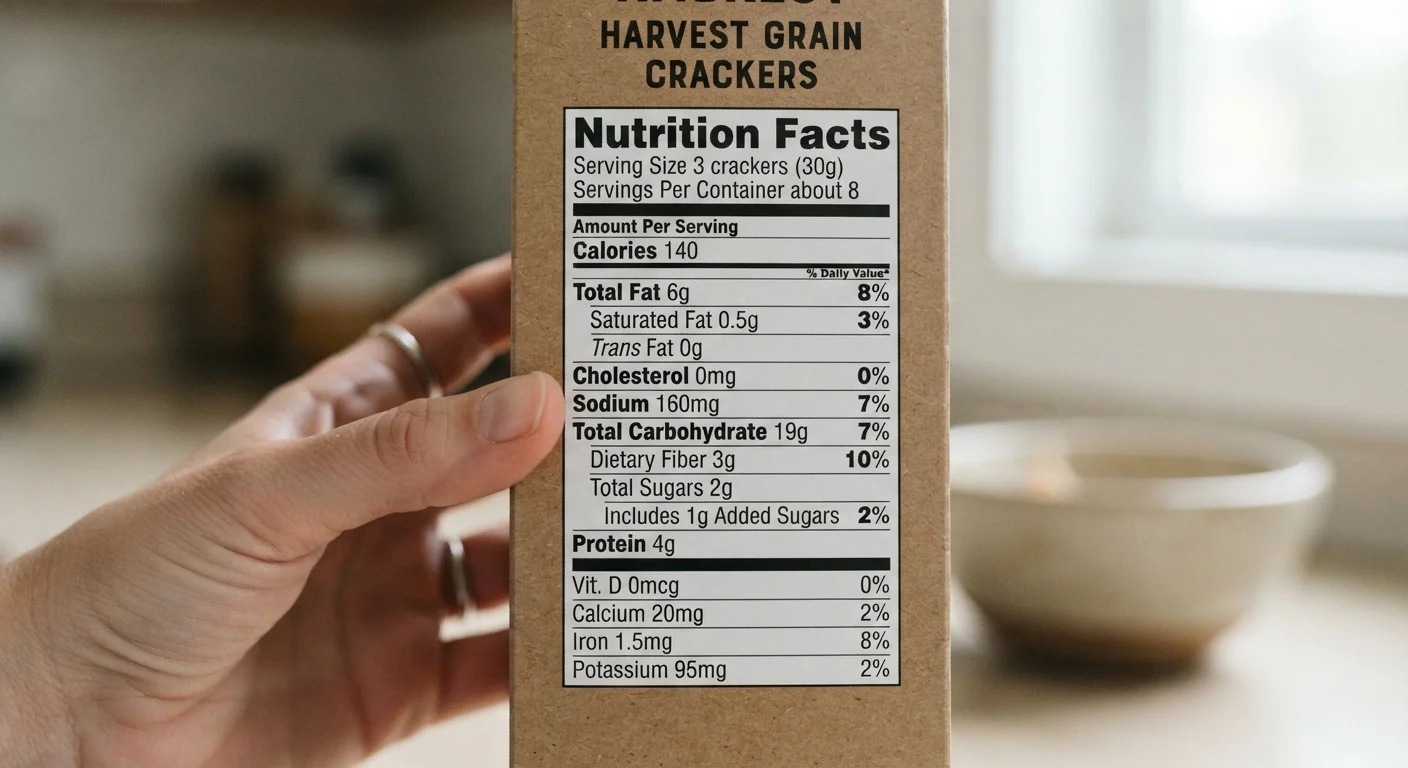
The very top of a Nutrition Facts panel shows two critical figures: serving size (e.g., "2 cookies" or "1 cup") and servings per container. Every calorie count and nutrient figure on the label applies to one serving - not the whole package. If a bag of chips lists 150 calories but contains 3 servings, eating the whole bag means consuming 450 calories. This is the single most important line on the label.
Read the calorie count in context
Calories tell you how much energy one serving provides. The FDA's general guidance suggests that 400 calories or more per serving is high for a single food, while 100 calories or less is moderate. That said, calories alone don't reveal nutritional quality - a 200-calorie handful of nuts and a 200-calorie cookie deliver very different nutrients. Use calories as one data point, not the whole story.
Check the nutrients to limit
The middle section of the label lists nutrients the FDA highlights for public health reasons. Pay close attention to saturated fat, sodium, and added sugars - the three nutrients most Americans consume in excess. Trans fat is also listed; the goal is zero grams per day. Dietary cholesterol appears here as well, though current evidence suggests it has less impact on cardiovascular risk for most people than saturated and trans fats do.
Distinguish total sugars from added sugars
Total sugars include both naturally occurring sugars (found in milk or fruit) and added sugars (syrups, sweeteners added during processing). The FDA now requires added sugars to be listed separately, indented beneath total sugars. The Dietary Guidelines for Americans recommend keeping added sugars below 10% of daily calories. For a 2,000-calorie diet, that's about 50 grams. For a deeper look at where added sugars hide, see how added sugar appears under dozens of names on ingredient lists.
Look for nutrients to get enough of
Below the nutrients to limit, the label lists dietary fiber, vitamin D, calcium, iron, and potassium - nutrients many Americans under-consume. A %DV of 20% or more per serving means the food is a good source. Fiber is especially worth watching: most adults fall well short of the recommended 25-38 grams per day.
Interpret the Percent Daily Value (%DV) column
The %DV column on the right-hand side shows how much of each nutrient one serving contributes toward a standard 2,000-calorie daily diet. The FDA's quick reference: 5% DV or less is low; 20% DV or more is high. This scale applies universally across nutrients - use it as a fast comparison tool when deciding between two products.
[tip_callout]Scan the ingredient list last
Ingredients are listed in descending order by weight - the first ingredient is present in the largest amount. A product listing sugar, corn syrup, or refined flour among the first three ingredients is largely composed of those items. A shorter ingredient list doesn't automatically mean healthier, but it often signals less processing. Common allergens - milk, eggs, fish, shellfish, tree nuts, peanuts, wheat, soybeans, and sesame - are required to be clearly identified.
Labels Inform - They Don't Prescribe
The information on this page is general nutritional education, not personalized dietary advice. Individual nutrient needs vary based on age, health status, medications, and other factors. If you have a specific health condition or dietary concern, consult a registered dietitian or your healthcare provider before making significant changes to your diet.
Putting It All Together
No single food makes or breaks a healthy diet. A label is most useful as a comparison tool - between two versions of the same product, or to spot a surprisingly high sodium or added sugar count. For a broader framework on building balanced meals without fixating on numbers, building a balanced plate without counting calories offers practical visual cues alongside label knowledge.
The updated US Nutrition Facts label - with its added sugars line, refreshed daily values, and larger calorie display - gives consumers more useful information than ever before. The skill is simply knowing where to look and what each number actually means.
Serving Size Is Not a Recommendation
The serving size on a label reflects a standardized reference amount set by the FDA - it is not a suggestion of how much you should eat. A package that appears to be one portion may legally contain two or more servings. Always check how many servings are in the entire container before calculating your intake.
This article is for general informational and educational purposes only and does not constitute medical or dietary advice. Consult a registered dietitian or qualified healthcare provider for guidance specific to your health needs.