
Why Neighborhood Research Matters as Much as the Home Itself
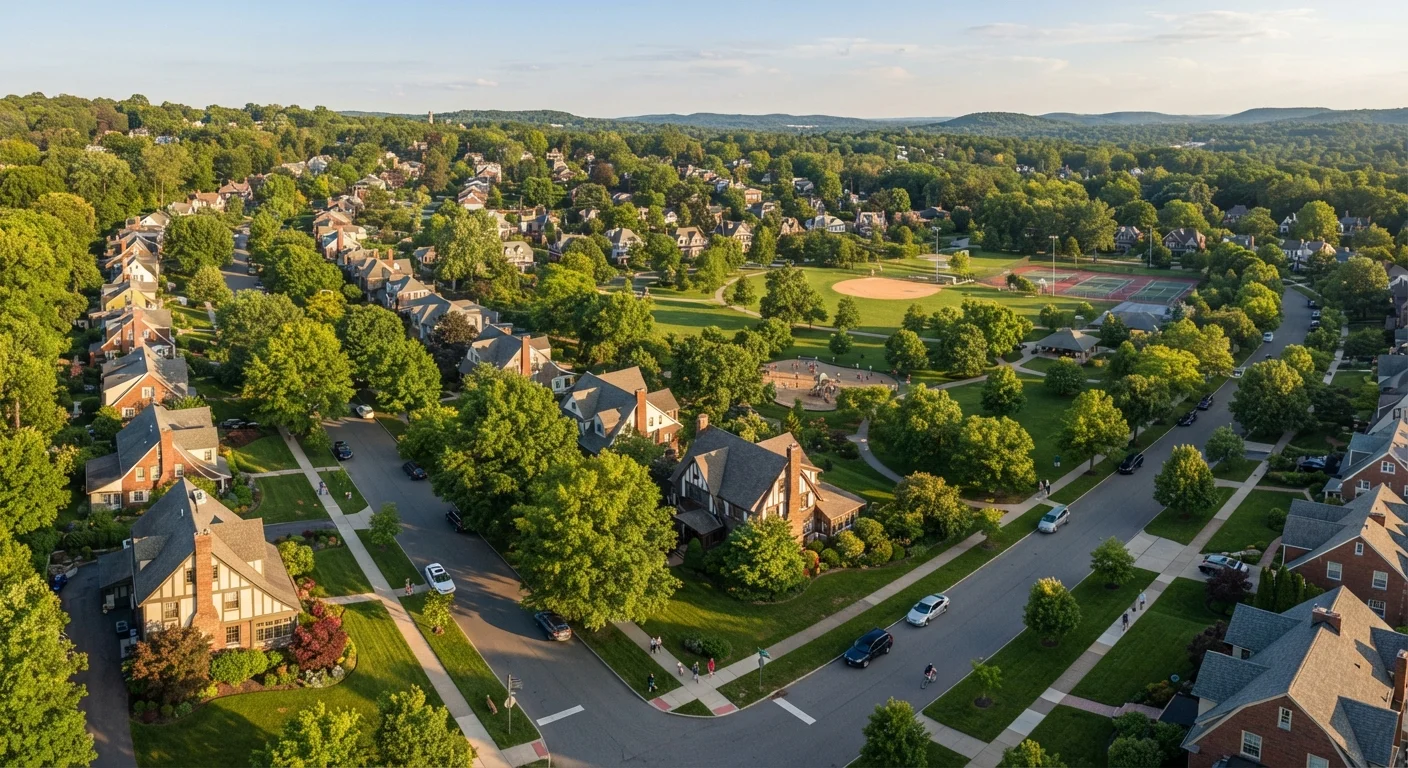
A house can be renovated. A neighborhood cannot be moved. Once you close on a property, you inherit the surrounding environment - its schools, its noise levels, its commute patterns, and its long-term value trajectory. Buyers who spend hours scrutinizing floor plans but only minutes assessing the surrounding area often end up with the most regret.
Getting your finances and priorities in order before touring homes is essential - but so is building a methodical process for evaluating where a home sits. This article walks through the key dimensions every buyer should examine before making an offer.
78%
Buyers who prioritize neighborhood over home size
According to the National Association of Realtors' Profile of Home Buyers and Sellers, the quality of the neighborhood consistently ranks among the top factors influencing buyers' final purchase decisions.
Top 3
School district quality as a value driver
School district ratings consistently appear among the top three factors cited by appraisers and buyers when explaining price differences between otherwise comparable properties.
Schools, Safety, and Core Quality-of-Life Indicators
Even buyers without school-age children should research local school district ratings. School quality is one of the most consistent drivers of home values and resale demand. Public school performance data is available through state education department websites and third-party aggregators - look at trends over multiple years, not just a single snapshot.
For safety, review publicly available crime statistics from local police department portals or city data dashboards. Look at crime types and trends over time rather than a single year's figure. A neighborhood with declining property crime is a stronger long-term signal than one with one good year.
Walkability and transit access are increasingly influential for buyers across age groups. Walk Score and local transit authority maps can quantify how easily residents can access groceries, healthcare, restaurants, and public transportation on foot or by transit. These factors also shape how neighborhood-level trends affect individual property prices.
Check School Trends, Not Just Current Ratings
A school's current rating is a snapshot, not a forecast. Review performance data across at least three to five years to identify whether a district is improving, stable, or declining. An upward trend in a currently mid-rated district can signal a neighborhood on the rise - and stronger long-term value. State education department websites publish historical data at no cost.
Infrastructure, Development, and Long-Term Trajectory
A neighborhood's current state matters, but its direction matters more. Check your city or county planning department's website for approved zoning changes, permitted developments, and long-range capital improvement plans. A new mixed-use development or transit extension nearby can lift values; a planned industrial facility or highway expansion might suppress them.
Look at recent sales data for the surrounding blocks. Are prices rising steadily, stagnating, or declining relative to the broader market? Understanding why two homes on the same street can sell for very different prices helps you read these signals more precisely. Also note the condition of public infrastructure: road quality, sidewalk continuity, street lighting, and park maintenance all reflect how much municipal investment is flowing into the area.
Zoning Changes Can Take Years to Appear Visibly
An approved rezoning or development permit may not result in visible construction for two to five years, but its effect on neighborhood character - and potentially on your home's value - begins much sooner. Reviewing city planning records before you make an offer, not after, gives you the clearest picture. Your buyer's agent may also have access to local intel on pending projects worth asking about.
Best Practices for On-the-Ground Neighborhood Evaluation
No amount of online research replaces direct observation. Below are the core practices that consistently help buyers form an accurate, well-rounded picture of a neighborhood before committing.
Visit at different times of day - morning, evening, and weekend
A neighborhood's character changes significantly between a quiet Tuesday morning and a Friday night. Traffic patterns, noise levels, parking availability, and foot traffic all vary, and a single visit can give a misleading impression.
Talk directly to residents, not just your agent
Current residents have firsthand knowledge of neighbor relations, recurring issues, seasonal flooding, HOA friction, and hyperlocal dynamics that won't appear in any data set. Their candid feedback is one of the most valuable inputs available.
Cross-reference multiple data sources for crime and schools
Single-source data can be incomplete, outdated, or inconsistently reported. Using police department dashboards, city open-data portals, and state education department records together gives a more reliable picture.
Review city planning documents and zoning maps
Approved developments, rezoning petitions, and capital projects often affect a neighborhood's future feel and value long before they're visible on the ground. Reviewing these documents provides a competitive informational advantage.
Assess commute realistically, not optimistically
Many buyers test a commute route at an ideal time. Real commute times during peak hours can differ substantially, and overestimating convenience is a common source of post-purchase dissatisfaction.
Quick Actions You Can Take Right Now
If you're actively considering a home or expect to start searching soon, these immediate steps will sharpen your neighborhood assessment significantly.
This article provides general educational information about home-buying research practices and is not legal, financial, or investment advice. Consult a licensed real estate professional for guidance specific to your situation and market.