
How the Purchase Agreement Differs
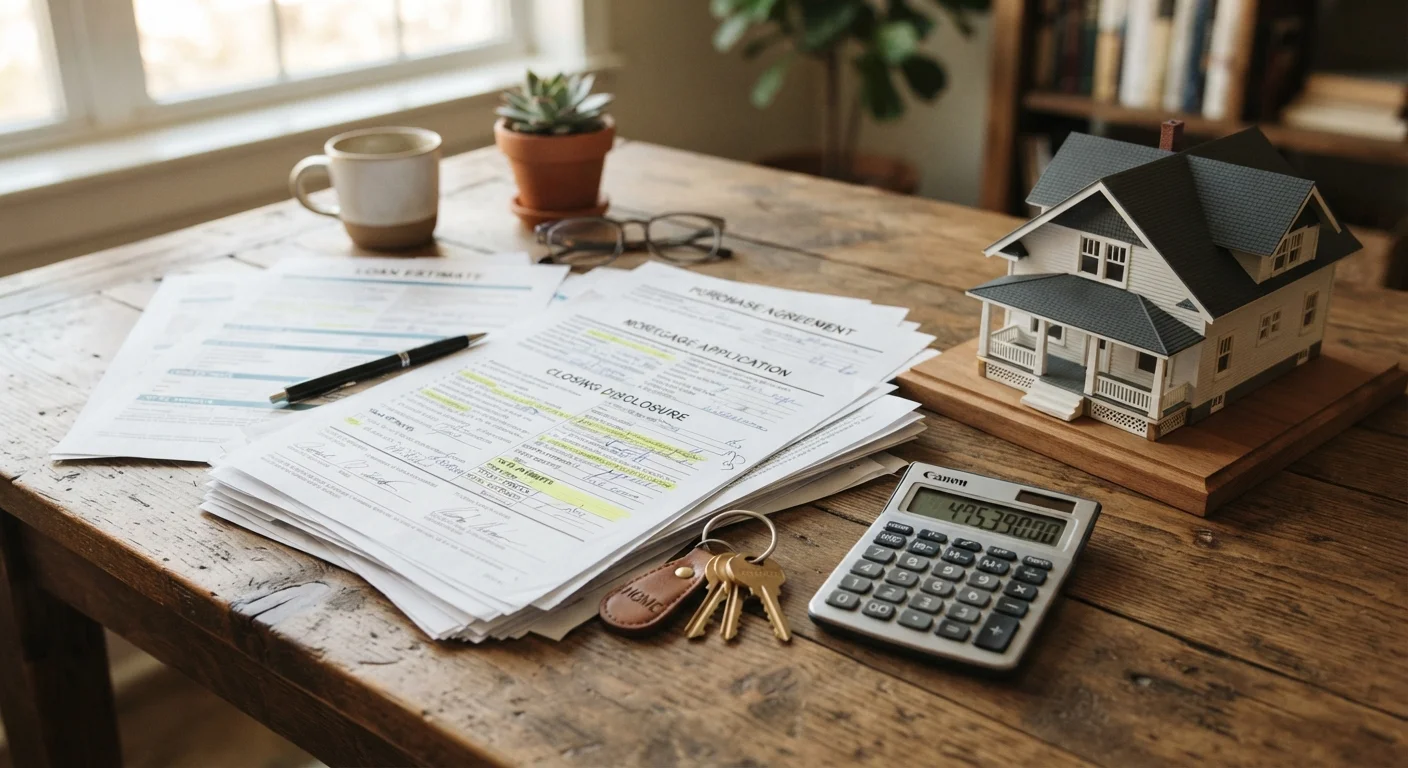
One of the first surprises for buyers exploring new construction is the contract itself. Builders use their own proprietary purchase agreements, which are typically longer, more detailed, and drafted to protect the builder's interests. Unlike the standard residential purchase contracts used in most existing-home transactions - which are often state-approved forms with well-understood terms - builder contracts can include clauses covering construction delays, change-order fees, and limited cancellation rights.
Key differences to watch for include:
- Price escalation clauses: Some builder contracts permit price increases if material costs rise significantly during construction.
- Deposit structure: Builders often require larger earnest money deposits - sometimes three to five percent - held in ways that differ from traditional escrow.
- Contingency limitations: Builder contracts may restrict or eliminate standard contingencies, including the ability to walk away if your existing home doesn't sell.
For comparison, the standard home buying process from offer to closing follows a more predictable framework that most real estate agents and buyers are familiar with. Having a buyer's agent - ideally one experienced with new construction - review the builder's contract before you sign is strongly advisable.
Read Builder Cancellation Terms Carefully
Builder contracts often include strict cancellation clauses that can result in forfeiture of your earnest money deposit if you withdraw for reasons not explicitly permitted in the agreement. Unlike standard resale contracts, which typically allow buyers to exit during an inspection or financing contingency period, builder contracts may offer far narrower exit windows. Have a real estate attorney review the contract before signing.
Timeline and Inspection Expectations
Existing home purchases typically close in thirty to sixty days after an accepted offer, assuming no major financing complications. New construction is a fundamentally different experience: if you're buying a home that hasn't broken ground yet, you may be looking at a six-to-eighteen-month wait, depending on the builder's pace, permitting, and supply chain conditions.
Inspections also work differently. Many buyers assume a brand-new home doesn't need an inspection - this is a costly misconception. New builds can have construction defects, improperly installed systems, or code-compliance issues that aren't caught by municipal inspectors. Consider hiring an independent inspector at multiple stages:
- Pre-drywall inspection: Examines framing, plumbing rough-ins, and electrical before walls are closed.
- Final walk-through inspection: Catches cosmetic and mechanical issues before closing.
- Eleven-month inspection: Performed just before the builder's one-year warranty expires.
For an existing home, a single pre-closing inspection is the standard - though older homes may benefit from specialized inspections for systems like the roof, HVAC, or foundation. Once you're in, our introduction to maintaining a house covers what to prioritize in those first months of ownership.
Schedule an Independent Inspector for New Builds
Even if the municipality has signed off on your new home, hire your own licensed inspector before closing. Municipal inspectors focus on code compliance, not buyer protection. An independent review at the pre-drywall and final stages can catch defects that would otherwise be hidden behind finished walls - and much harder to address after you've moved in.
Financing: Builder Lenders vs. Open Market
Financing a new construction home introduces a variable that doesn't exist in a typical resale purchase: the builder's preferred lender. Many builders have affiliated or preferred financing partners and may offer incentives - closing cost credits, rate buy-downs, or upgrade allowances - if you use them.
These incentives can be genuinely valuable, but they should not replace comparison shopping. The interest rate and loan terms offered by a builder's lender may or may not be competitive with what you'd find on the open market. Getting a loan estimate from at least one outside lender gives you a real benchmark.
For existing homes, the financing process is more straightforward: you obtain a pre-approval, make an offer, and the lender orders an appraisal of the home as it currently stands. For new construction, lenders often use a construction-to-permanent loan (sometimes called a one-time-close loan) or require you to finance the construction phase separately, then refinance at completion - each path has distinct costs and qualification requirements.
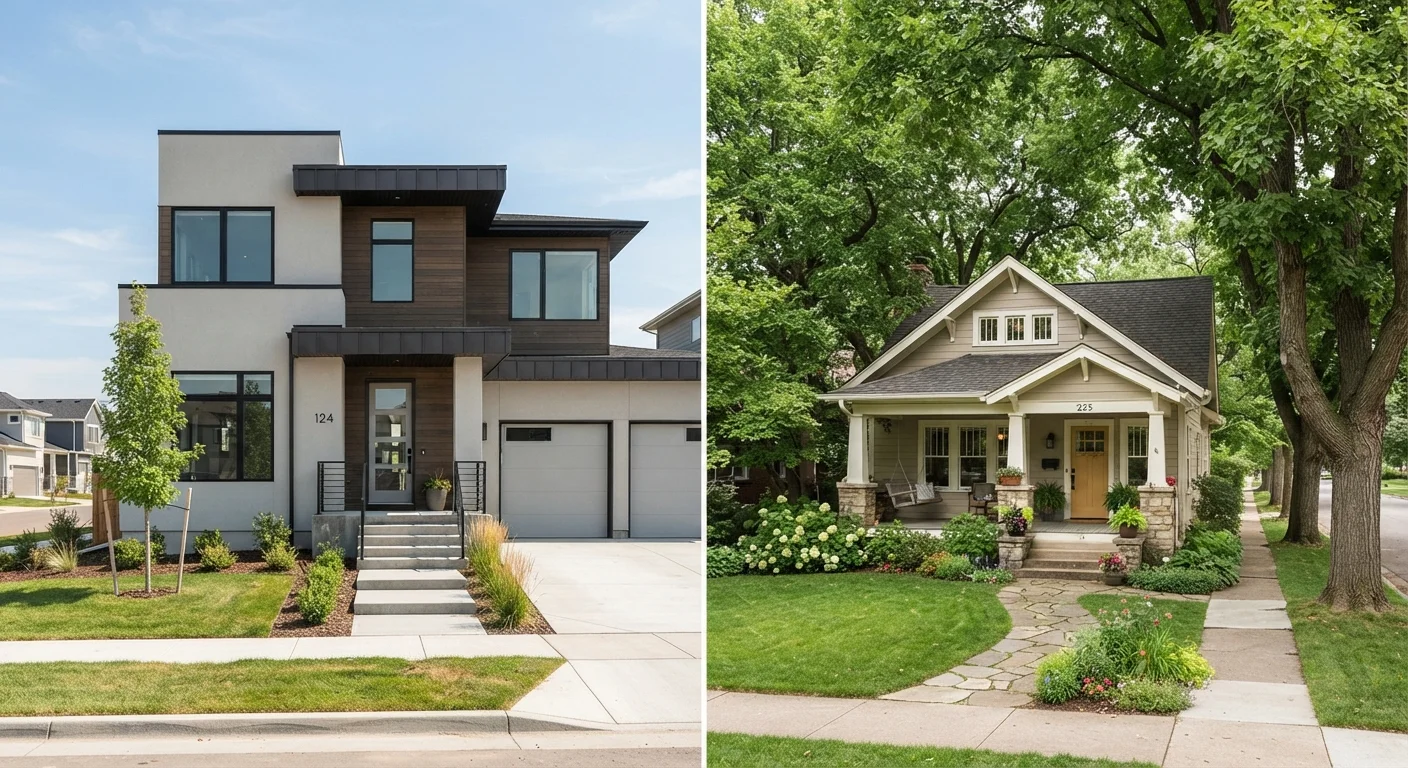
| New Construction | Existing Home | |
|---|---|---|
| Purchase contract | Builder proprietary contract; limited negotiability | Standard state-approved form; more familiar terms |
| Typical closing timeline | 6-18 months if building from scratch | 30-60 days after accepted offer |
| Inspection process | Multiple-phase inspections recommended | Single pre-closing inspection standard |
| Financing | Builder lender incentives available; construction loans possible | Standard mortgage; open-market lender choice |
| Customization | High - finishes, layout options often available | Limited to post-purchase renovations |
| Warranty coverage | Structural, systems, and workmanship warranties included | No warranty; seller disclosures and inspection only |
| Neighborhood track record | Unestablished; community still developing | Known schools, resale history, and amenities |
Customization, Warranties, and Long-Term Considerations
The ability to select finishes, floor plans, and upgrades is one of new construction's most appealing features. Buyers who purchase early in a development may have substantial influence over cabinetry, flooring, fixtures, and even structural modifications. However, upgrades are priced by the builder and often carry significant markups - budgeting carefully and prioritizing changes that are difficult or expensive to make after move-in (such as electrical or plumbing upgrades) is a common recommendation from experienced buyers.
New construction homes also come with builder warranties, which typically cover workmanship and materials for one year, mechanical systems for two years, and structural defects for ten years - though coverage terms vary. These warranties offer peace of mind that existing homes generally cannot match, though they have limits and exclusions worth reading carefully.
Existing homes, meanwhile, offer something new construction cannot: a track record. You can evaluate the neighborhood's schools, walkability, and resale history. You can see how the landscaping has matured and how the community has evolved. If you're weighing a broader lifestyle decision, our guide for first-time renters provides useful context for thinking through housing decisions at different life stages.
This article is for general informational and educational purposes only and does not constitute legal, financial, or real estate advice. Consult a licensed real estate professional, attorney, and financial adviser regarding your specific situation.