

Why Home Maintenance Matters
Owning a home is one of the largest financial and personal commitments most people make. Unlike renting, where a landlord handles repairs, the responsibility for keeping a house safe and functional rests entirely with you. The good news: most maintenance isn't complicated. It's mostly about consistency.
Small problems - a slow roof leak, a clogged dryer vent, a failing caulk seal - are inexpensive to fix when caught early. Left unaddressed, they can escalate into structural damage, mold, or fire hazards that cost thousands of dollars to repair. Proactive maintenance is genuinely one of the highest-return habits a homeowner can develop.
If you're still in the early stages of ownership, our home-buying resource hub covers the broader decisions and context around purchasing property.
Start With a Home Walkthrough on Day One
As soon as you take possession, walk your home with a notepad and locate the main water shut-off, electrical panel, and any gas shut-offs. Test every smoke and carbon monoxide detector. This 30-minute exercise gives you critical safety knowledge and a baseline for what needs attention first.
Your Home's Essential Systems
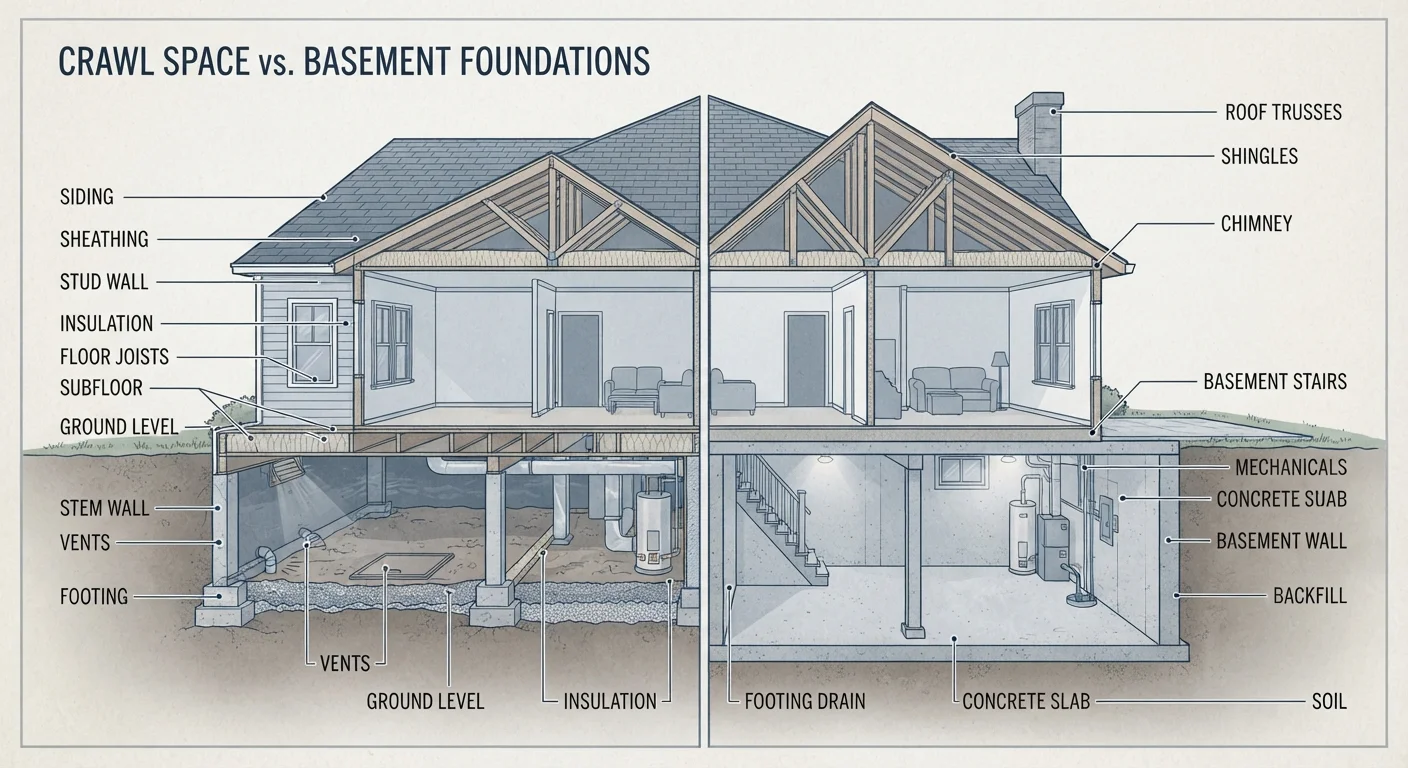
Every house is built around a handful of interconnected systems. Understanding what each one does - and what it needs - is foundational to good maintenance.
HVAC
Short for Heating, Ventilation, and Air Conditioning - the system that controls your home's temperature and air quality. It includes your furnace, air conditioner, and ductwork.
Flashing
Thin strips of metal installed around chimneys, vents, and roof edges to prevent water from seeping in at joints and seams.
Main water shut-off valve
A valve - usually near where your water supply enters the home - that stops all water flow to the house when turned off. Critical to know during a leak or plumbing emergency.
Ice dam
A ridge of ice that forms at the edge of a roof in cold climates, blocking melting snow from draining. This can force water under shingles and cause interior leaks.
Load-bearing wall
A wall that supports the structural weight of the home above it. Removing or modifying one without professional guidance can compromise the building's structural integrity.
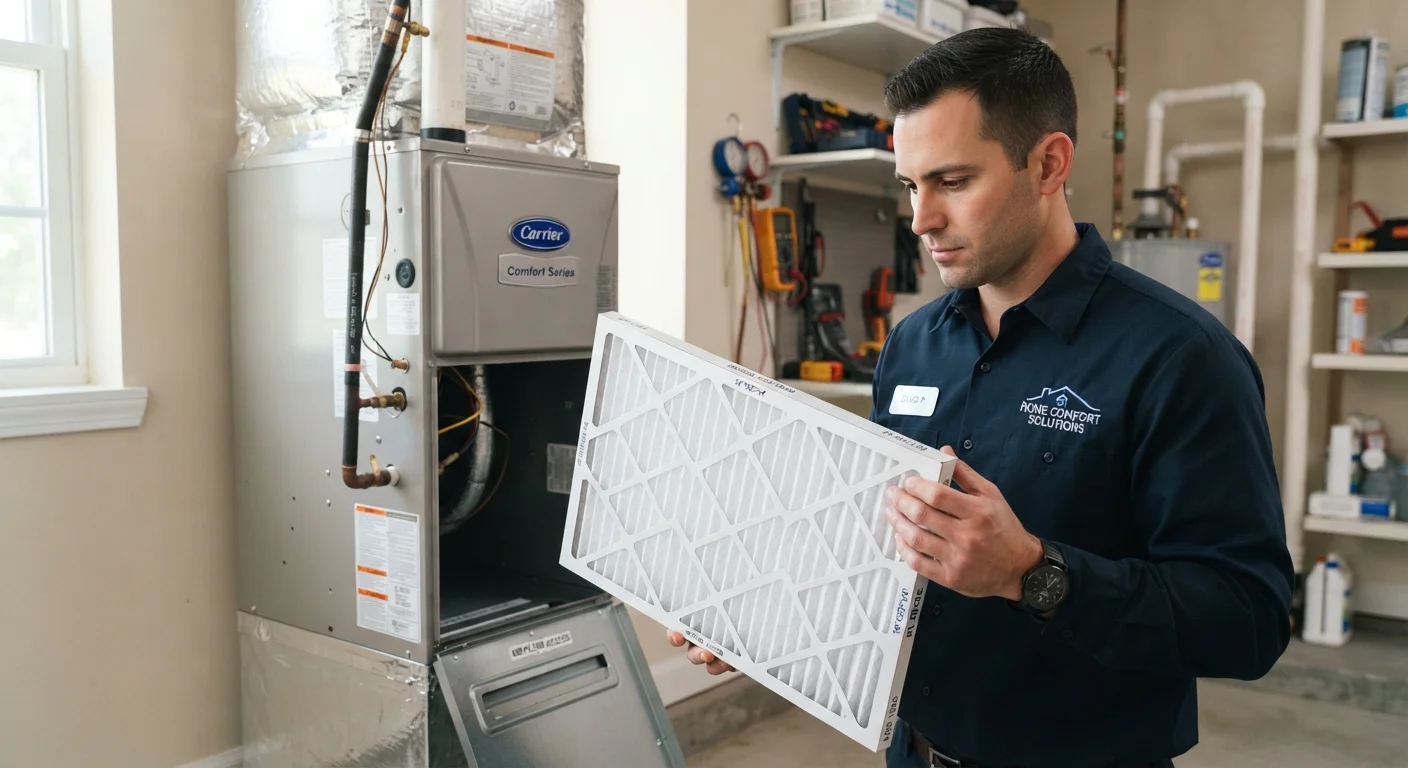
- HVAC (Heating, Ventilation, and Air Conditioning): Filters need regular replacement. Schedule a professional tune-up once a year - typically before heating or cooling season - to keep the system running efficiently and safely.
- Plumbing: Know where your main water shut-off valve is located before an emergency happens. Watch for slow drains, water stains on ceilings, and dripping faucets - all are early warning signs.
- Electrical panel: Locate your panel and label each breaker. If breakers trip frequently or you notice flickering lights, have a licensed electrician evaluate the system. Do not attempt panel work yourself.
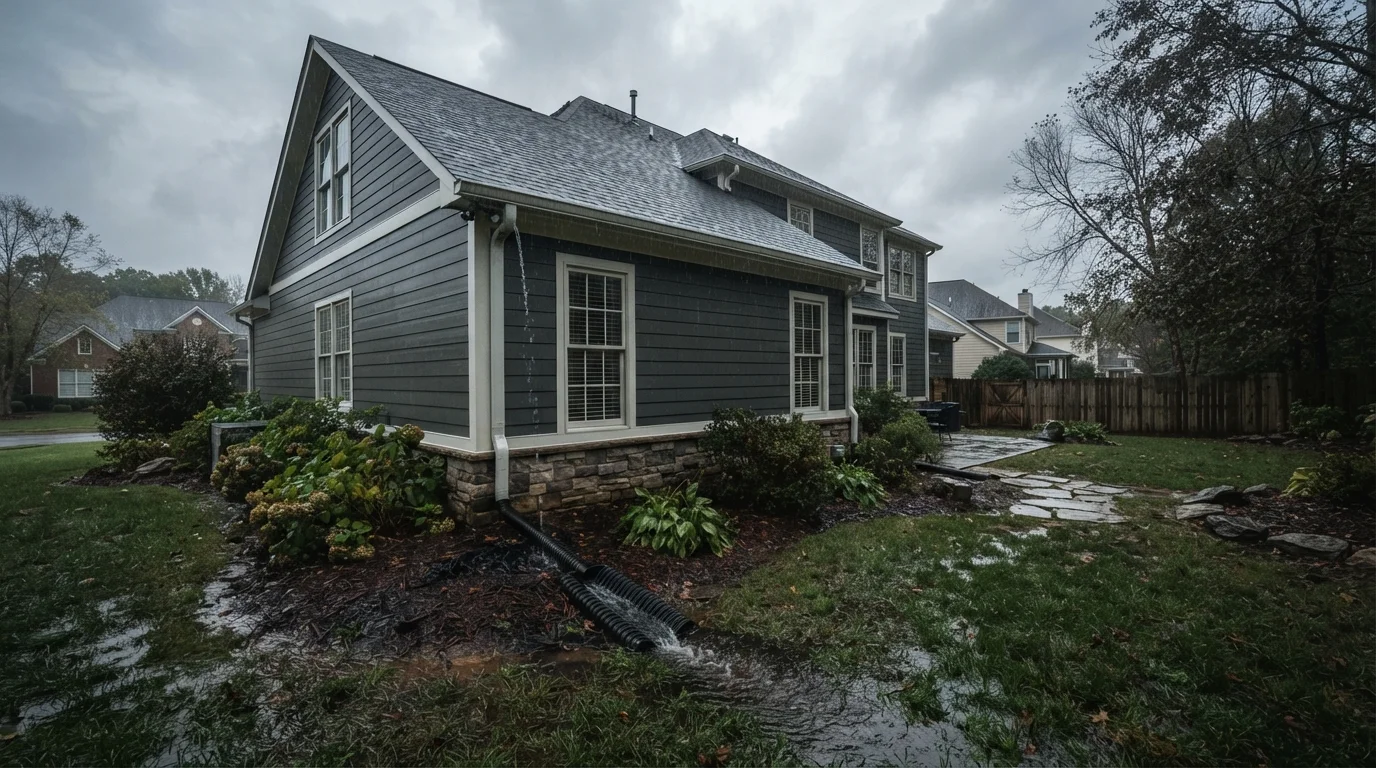
- Roof and gutters: Gutters should be cleared at least twice a year. Inspect your roof visually after major storms. Missing shingles or damaged flashing should be addressed promptly to prevent water intrusion.
- Water heater: Most conventional water heaters last 8-12 years. Flushing sediment annually can extend their life. Watch for rust-colored water or pooling near the base.
For a deeper look at how long these systems typically last, see The Lifecycle of Common Home Systems.
Seasonal Maintenance Tasks to Know
Spreading maintenance tasks across the year prevents overwhelm and aligns work with the conditions that affect your home most.
- Spring
- Inspect the exterior for winter damage. Clean gutters of debris. Check window and door seals. Test outdoor faucets after freezing temperatures.
- Summer
- Service air conditioning before peak heat. Check attic ventilation. Inspect decks or patios for rot or loose boards.
- Fall
- Clean gutters again after leaves fall. Have your furnace or heating system serviced. Drain garden hoses and outdoor water lines before the first freeze.
- Winter
- Keep cabinet doors under sinks open during hard freezes to prevent pipe bursting. Check smoke and carbon monoxide detector batteries. Monitor for ice dams on the roof in cold climates.
A structured month-by-month plan makes this even more manageable. Our annual home maintenance calendar breaks it all down.
Climate Affects Your Maintenance Schedule
The timing and priority of seasonal tasks will vary depending on where you live. Homeowners in cold climates face freeze-related risks that don't apply in warmer regions, while humid climates require more attention to mold and moisture control. Adjust general guidance to match your local conditions.
Building Good Maintenance Habits
Maintenance is most effective when it becomes routine rather than reactive. A few simple habits go a long way:
- Keep a home file. Store appliance manuals, warranties, receipts for repairs, and inspection reports in one place - physical or digital. This documentation is valuable when selling the home and helps you track what's been serviced.
- Do a monthly walkthrough. A 10-minute visual check of your home - inside and out - helps you catch drips, cracks, or deterioration before they worsen.
- Don't ignore small signs. Musty smells, soft spots in flooring, or water stains on ceilings are rarely cosmetic. Investigate promptly.
- Set calendar reminders. Filter replacements, detector tests, and gutter cleanings are easy to forget. Treating them like appointments removes the mental load.
Just as new drivers benefit from understanding their vehicle's needs, new homeowners gain confidence through familiarity with their systems. The same principle applies whether you're managing car maintenance or a home's many moving parts.
When to DIY and When to Call a Pro
Knowing the boundaries of safe DIY work is just as important as knowing what to do. Many routine tasks - replacing air filters, caulking around a tub, painting interior walls, or cleaning gutters - are well within reach for most homeowners.
However, work involving your electrical panel, gas lines, load-bearing structures, or main plumbing connections carries real safety and legal risks. These tasks typically require permits, inspections, and licensed professionals - and for good reason. Mistakes in these areas can create hazards that aren't always immediately visible.
Don't Skip Permits on Regulated Work
Unpermitted electrical, plumbing, or structural work can create safety hazards and cause serious problems when you sell the home. Lenders, inspectors, and buyers routinely check for unpermitted work. Always verify what requires a permit with your local building department before starting a project.
For a practical breakdown of which tasks fall into each category, see Maintenance Tasks Homeowners Can Safely DIY vs. Those That Require a Pro. And if you're ready to take on improvements beyond maintenance, Getting Started With Home Improvement is a solid next step.