
What a Home Inspection Is - and Isn't
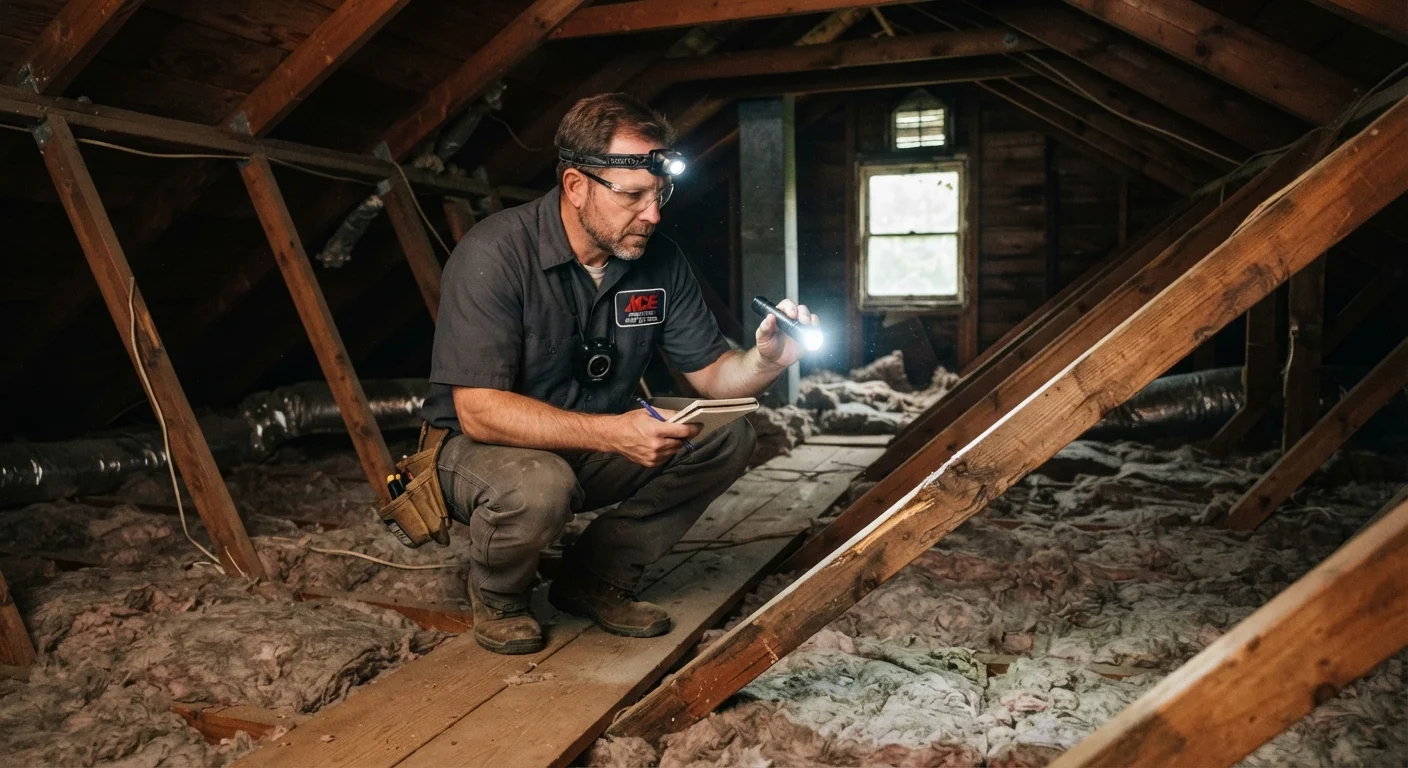
A home inspection is a professional, visual assessment of a property's physical condition at a specific point in time. A licensed inspector walks through the home systematically, evaluating accessible systems and components - but they are not performing destructive testing, moving furniture, or predicting the future.
Critically, an inspection is not the same as an appraisal. Learn how appraisals differ from inspections - appraisers assess value, while inspectors assess condition. Buyers often confuse the two, which can lead to misplaced expectations.
Most inspections take two to four hours for an average single-family home. Buyers are strongly encouraged to attend in person; walking through with the inspector is one of the most valuable learning experiences in the entire purchase process.
| Typical inspection duration | 2-4 hours for an average single-family home |
| Report length | 30-60 pages, including photographs |
| Who hires the inspector | Almost always the buyer, at the buyer's expense |
| Inspector licensing | Required in most US states; standards vary by state |
| What inspectors do not assess | Market value, code compliance history, concealed components, or pest activity (unless separately certified) |
| Recommended buyer action | Attend the inspection in person whenever possible |
The Core Systems Inspectors Evaluate
Inspectors follow a structured scope of work. While specific standards vary by state and certifying body, most licensed inspectors cover the following major categories:
- Roof: Covering materials, flashing, gutters, downspouts, and visible signs of age or damage. Inspectors typically do not walk steep or unsafe roofs; they may use binoculars or a drone.
- Structure and Foundation: Visible framing, floor systems, walls, columns, and foundation type. Inspectors note cracks, settlement, moisture intrusion, or signs of previous repair.
- Exterior: Siding, windows, doors, grading (whether the ground slopes away from the house to direct water), driveways, and decks or porches.
- Plumbing: Visible supply and drain lines, water heater age and condition, water pressure, and functional testing of fixtures. They do not inspect concealed piping inside walls.
- Electrical: Service panel, wiring type, grounding, GFCI and AFCI protection, and operation of outlets and switches. Older wiring types like aluminum branch circuit wiring or knob-and-tube are flagged for further evaluation.
- HVAC: Heating and cooling equipment, ductwork condition, filters, and thermostat function. Age and approximate remaining useful life are often noted.
- Insulation and Ventilation: Attic insulation levels, vapor barriers, and ventilation to manage moisture and energy efficiency.
- Interior: Walls, ceilings, floors, stairs, railings, windows, and doors for function and visible defects.
After the inspection, the findings are compiled into a written report - often 30 to 60 pages with photographs. Understanding what inspection report language actually means is a separate skill that buyers should develop before negotiations begin.
GFCI
Ground Fault Circuit Interrupter - a safety device required near water sources (kitchens, bathrooms, garages) that cuts power instantly if it detects a ground fault, reducing shock risk.
AFCI
Arc Fault Circuit Interrupter - a circuit breaker that detects dangerous electrical arcing and shuts off power to reduce fire risk, now required in most new residential construction.
Efflorescence
White, chalky mineral deposits left on masonry or concrete surfaces when water moves through them and evaporates. Often signals moisture intrusion through a foundation wall.
Flashing
Thin metal material installed at roof joints, around chimneys, and where roof planes meet walls to prevent water from entering. Deteriorated flashing is a common source of roof leaks.
Heat exchanger
The component inside a gas furnace that separates combustion gases from the air circulated through your home. A cracked heat exchanger is a potential carbon monoxide hazard.
Red Flags That Carry the Most Weight
Not every finding in an inspection report carries equal urgency. Inspectors typically distinguish between safety concerns, significant defects, and maintenance items. Buyers should pay closest attention to issues that affect health, safety, or structural integrity.
Common high-priority findings include:
- Active water intrusion or evidence of past flooding - staining, efflorescence on foundation walls, or wood rot near windows and door thresholds.
- Roof near or past its serviceable life - granule loss, missing shingles, or deteriorated flashing around chimneys.
- Electrical safety hazards - double-tapped breakers, ungrounded outlets, absence of GFCI protection near water sources, or an undersized service panel.
- HVAC systems approaching end of life - heat exchangers showing cracks in a furnace are a carbon monoxide risk and a significant cost item.
- Signs of foundation movement - stair-step cracks in masonry, doors or windows that stick, or visible differential settling.
Inspection Reports Are Not Repair Lists
A home inspection report documents observed conditions - it does not tell you which items to demand the seller fix or how much anything will cost to repair. Buyers should review the report with their real estate agent to prioritize findings that are material to the transaction. Cosmetic items and routine maintenance notes typically carry far less negotiating weight than structural or safety concerns.
Inspectors note what they observe but generally do not cost-repair estimates. Buyers who receive a report flagging major systems should consider bringing in a licensed specialist - such as a structural engineer or electrician - for a focused second opinion before proceeding.
Once you understand what repairs may be needed, you may find yourself vetting contractors. Knowing what to verify before hiring a contractor is the next practical step. And because a home's condition is only one dimension of a purchase decision, evaluating the neighborhood itself rounds out a thorough due-diligence process.