
Why Report Language Matters More Than You Think
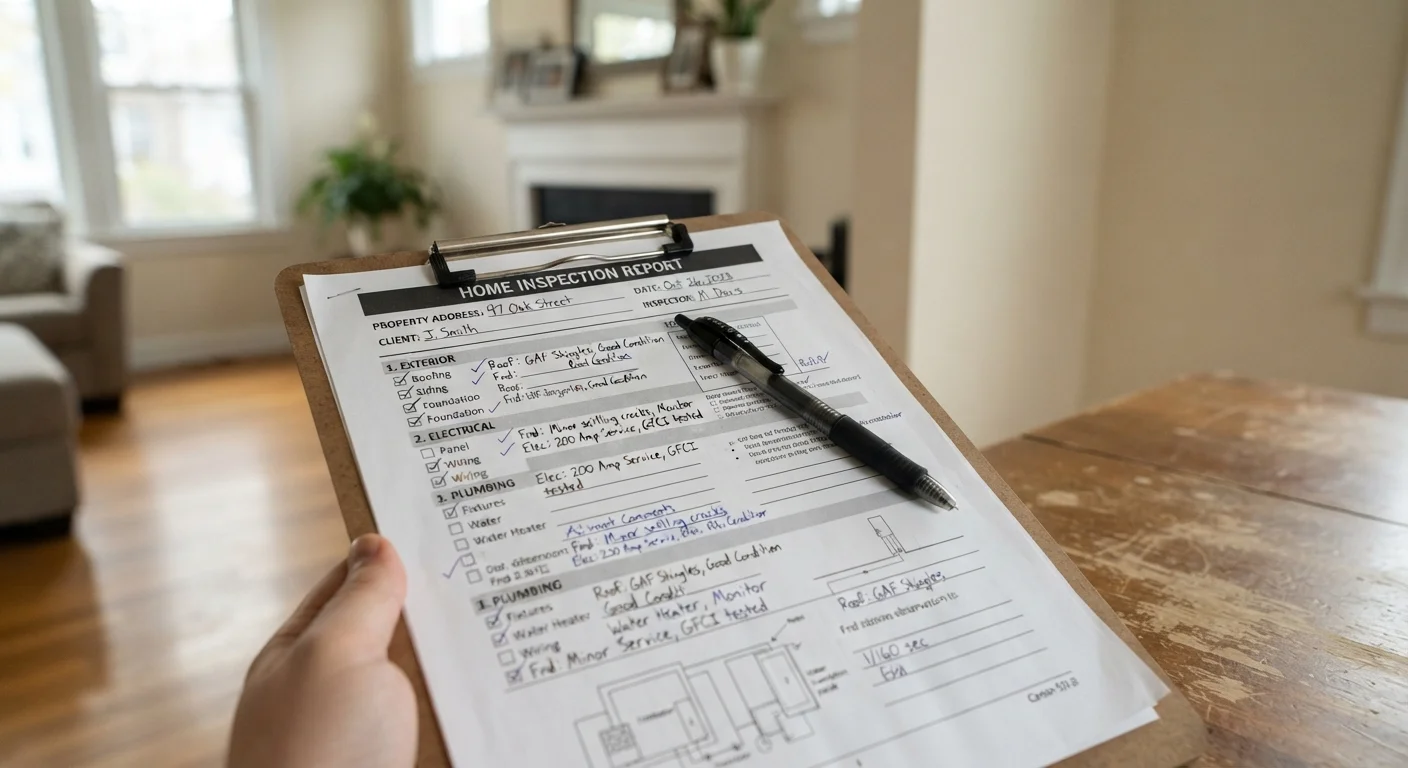
A home inspection report can run 30 to 60 pages and include dozens of individual findings. Without knowing how to read the language, it's easy to either panic over minor maintenance notes or, worse, overlook a genuinely serious problem. The terminology inspectors use is deliberate - each phrase signals a different level of urgency.
Think of it like decoding a different kind of report. Just as reading a credit report requires understanding what each section actually signals, a home inspection report rewards readers who know the vocabulary. The goal isn't to memorize every term - it's to understand the hierarchy of concern so you can respond appropriately.
Reports Describe Conditions at One Point in Time
A home inspection is a visual snapshot taken on a single day. Inspectors cannot see behind walls, predict future failures, or assess concealed systems. Some conditions may change between inspection and closing - which is why buyers sometimes request a final walkthrough before settlement. Keep this limitation in mind when interpreting findings.
The Core Language Tiers: From Minor to Serious
Most inspection reports organize findings into categories. While exact wording varies by inspector and software, the concepts are consistent:
- Maintenance item: Routine upkeep that is overdue or needed. Examples include caulking around windows, cleaning gutters, or servicing an HVAC filter. These are low-urgency but worth addressing to prevent future deterioration.
- Recommend monitoring: A condition exists that isn't immediately problematic but warrants observation. A small hairline crack in a foundation wall, for example, may be cosmetic - or it may develop into something more significant. The inspector is telling you to keep an eye on it.
- Deficiency or defect: Something is not functioning correctly or is below acceptable standards. This could be a missing handrail, improper ventilation, or a non-functioning outlet. These typically warrant repair.
- Safety concern or safety hazard: This is the highest-urgency tier. It means a condition poses a risk of injury or harm. Examples include exposed wiring, missing GFCI outlets near water sources, or a deteriorated gas line connector. Safety findings should be addressed promptly, and many require a licensed contractor.
Ask Your Inspector to Walk You Through the Summary
If you attended the inspection, ask the inspector to verbally rank the top three to five findings before you leave the property. This live context often clarifies which items are genuinely urgent versus routine, and gives you a better foundation for negotiations than reading the report alone later.
Pay particular attention to the summary section of your report, if one exists - most modern reports include a summary page that lists only the most significant findings.
Phrases That Often Cause Unnecessary Alarm
Some common phrases sound alarming but are frequently routine:
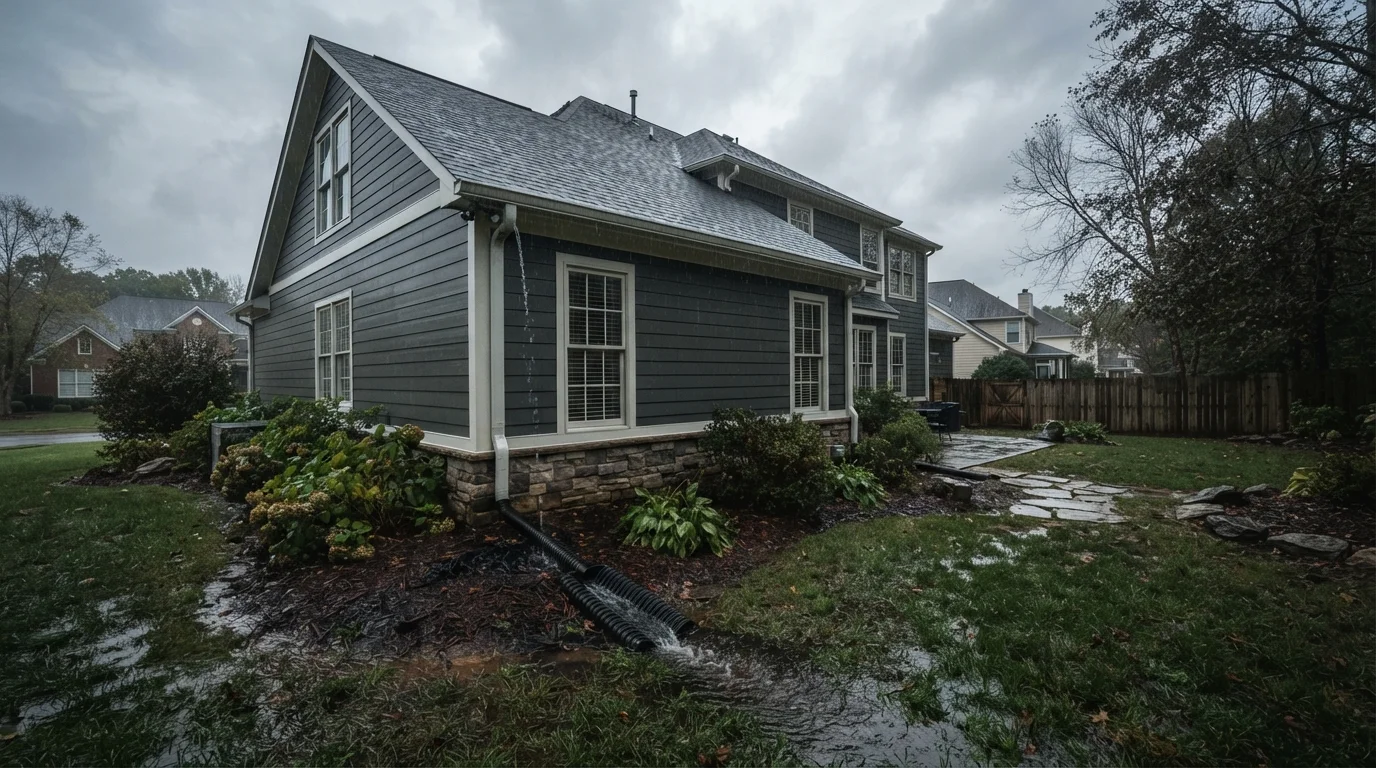
- "Evidence of past moisture" - This doesn't always mean active leaking. It may reflect a repaired issue. Context matters. Your inspector should indicate whether moisture readings were currently elevated.
- "At or near end of useful life" - Applied to water heaters, roofs, or HVAC systems, this means the component is aging but may still be functioning normally. It's a prompt to budget for replacement, not to panic.
- "Typical for age of home" - Older homes routinely have conditions that don't meet current code but aren't necessarily unsafe. Building codes change over time; not everything grandfathered in poses a risk.
For hidden problems that reports sometimes flag indirectly, understanding signs of hidden water damage can help you interpret moisture-related findings more confidently.
~86%
Home buyers who order an inspection
According to the American Society of Home Inspectors (ASHI), the vast majority of home buyers commission a professional inspection before closing.
30-60
Typical pages in a full inspection report
Modern inspection software generates detailed reports that can include photos, descriptions, and recommendations for dozens of systems and components.
What 'Further Evaluation Recommended' Actually Requires
This phrase deserves its own discussion because it's both common and frequently misunderstood. When an inspector writes "further evaluation recommended," it means the finding exceeds what a generalist visual inspection can resolve. It is not a verdict - it's a referral.
Common triggers for this language include:
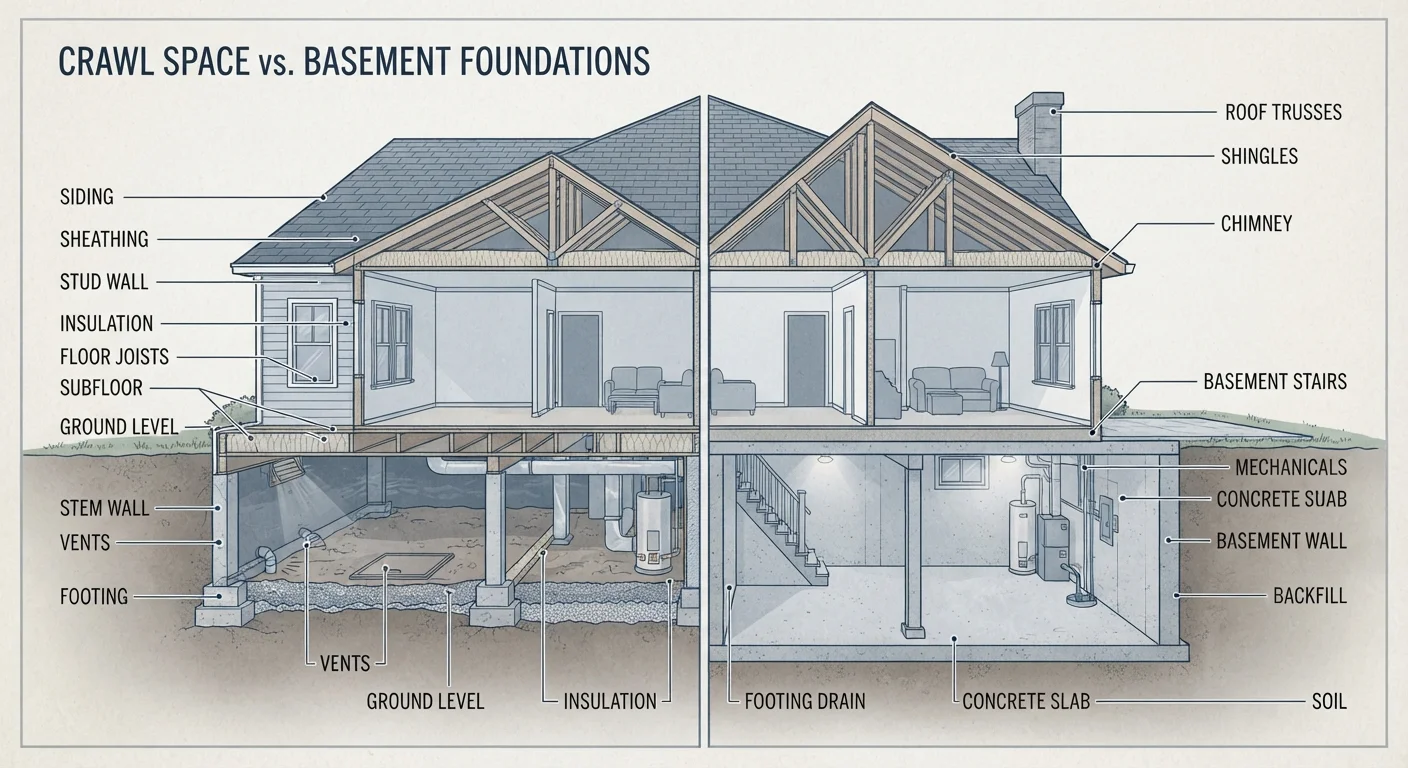
- Signs of structural movement or foundation cracking that may need a structural engineer
- Older electrical panels (such as certain brands associated with known safety concerns) flagged for an electrician's review
- HVAC systems showing performance irregularities that need a technician with diagnostic equipment
- Chimneys or fireplaces requiring a chimney sweep or mason
In each case, the appropriate next step is to hire the relevant licensed specialist - not to assume the worst or dismiss the finding. These follow-up evaluations often reveal that the concern is manageable; occasionally they uncover something significant. Either way, you'll have the information you need to make a sound decision.
For context on how to approach other kinds of evaluative reports with similar layered language, see how vehicle history reports use tiered flags to communicate condition - the reading strategy is comparable.
The home maintenance hub offers additional guidance on prioritizing repairs once you've decoded your report findings.
This article is for general informational and educational purposes only. Home inspection findings vary widely by property, region, and inspector. Consult a licensed home inspector, contractor, or other qualified professional before making decisions based on any inspection report.