
Why Food Safety Deserves Serious Attention Abroad
Foodborne illness is one of the most common health complaints among international travelers. The U.S. Centers for Disease Control and Prevention (CDC) estimates that traveler's diarrhea affects anywhere from 30% to 70% of international visitors, depending on destination and season. Most cases resolve within a few days, but a serious bout can derail an entire trip - or, in vulnerable individuals, require medical care.
The risk isn't a reason to avoid local food. It's a reason to eat it more thoughtfully. Understanding which factors actually drive contamination puts you in control, rather than leaving you guessing at airport-adjacent chain restaurants. For a broader foundation, see our complete guide to planning an international trip.
30-70%
Travelers affected by traveler's diarrhea
According to the CDC, the incidence varies significantly by destination region and travel style.
80%
Of cases caused by bacterial pathogens
The CDC attributes most traveler's diarrhea cases to bacterial sources, particularly enterotoxigenic E. coli (ETEC).
How to Read a Street Stall Before You Order
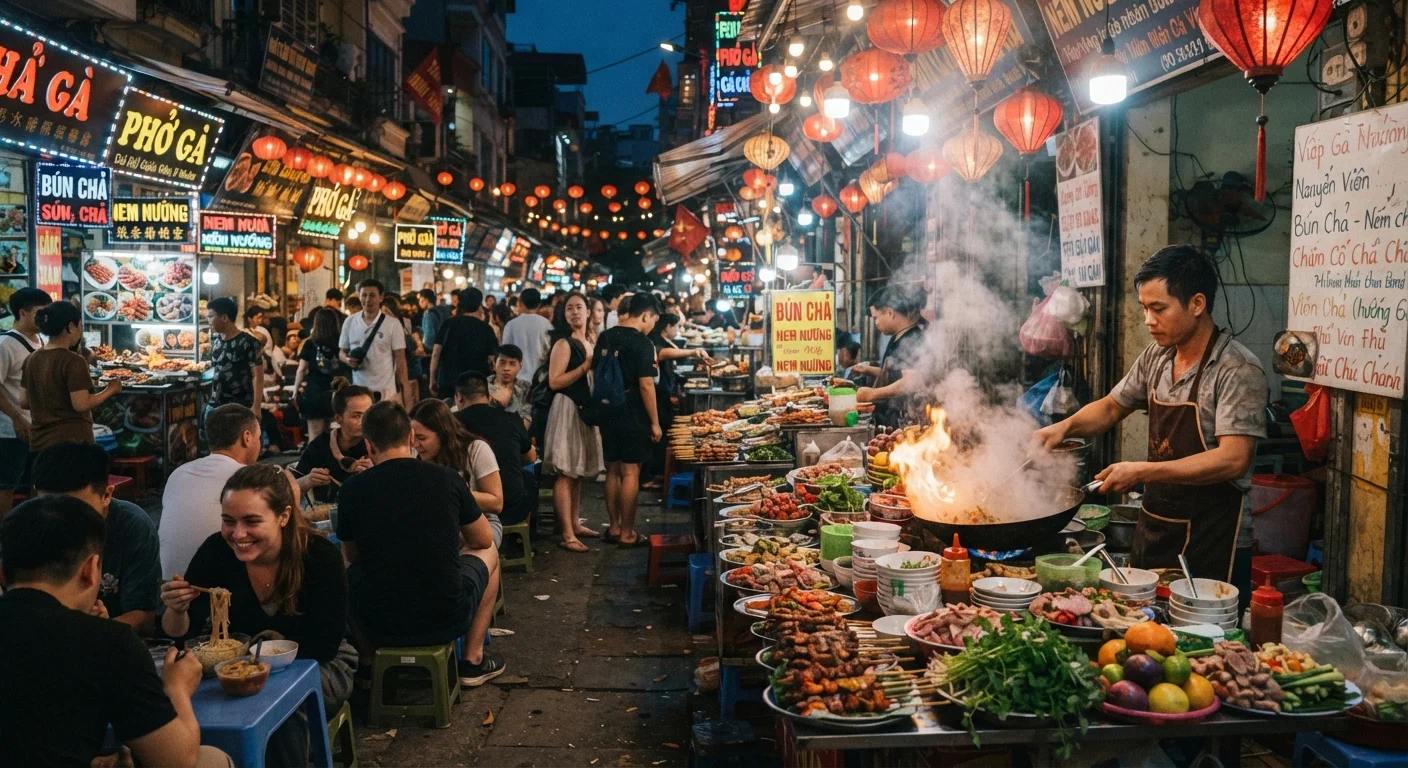
Street food is not inherently riskier than restaurant food - in many cases it's safer, because you can watch the entire cooking process. What matters is what you observe.
Choose stalls with high customer turnover
High foot traffic means food is cooked and sold quickly, reducing the time ingredients sit at unsafe temperatures. A busy stall also signals local trust - residents who eat there daily have the most reliable firsthand data on quality.
Confirm food is served piping hot
Cooking to sufficient internal temperature kills most common foodborne pathogens. Food that has been sitting lukewarm for extended periods is a meaningful risk factor, particularly in hot climates where bacterial growth accelerates.
Watch for separation between raw and cooked ingredients
Cross-contamination - when raw meat juices contact cooked or ready-to-eat food - is a leading cause of foodborne illness worldwide. A vendor who uses the same board and knife for raw protein and fresh garnishes is introducing avoidable risk.
Peel fruit yourself whenever possible
The skin of fruit can carry surface contamination from water, handling, or storage. Peeling it yourself eliminates a significant exposure route, particularly for produce that may have been rinsed in untreated water.
Wash or sanitize hands before every meal
Hand-to-mouth transmission is one of the most direct routes for pathogens like norovirus and E. coli. Soap and water for at least 20 seconds is effective; alcohol-based hand sanitizer (at least 60% alcohol) is a practical backup when facilities aren't available.
For travelers watching costs without sacrificing quality or safety, our guide on eating well abroad without overspending pairs well with these practices.
Water Contamination: The Hidden Variable in Every Meal
Unsafe water doesn't only arrive in a glass. It enters your meal through ice cubes made from tap water, raw vegetables washed in it, and sauces prepared with it. Our dedicated article on water safety while traveling covers the full scope of this risk.
As a practical rule: anything that hasn't been boiled, cooked through, or peeled by you should be treated with caution in destinations where tap water is unsafe. This includes fresh salads, garnishes, and fruit slices that arrive pre-cut on a plate.
The 'Boil It, Cook It, Peel It' Rule
A long-standing public health guideline summarizes low-risk food choices as: boil it, cook it, peel it - or forget it. While it's a simplification, it captures the core logic well. Heat and intact skins are your two most reliable barriers against contamination when traveling in destinations with limited food safety infrastructure.
Quick Actions You Can Take Starting Now
Good food safety habits don't require extensive preparation - most are decisions you make in the moment. The quick wins below can meaningfully reduce your risk on any trip.
If you're traveling solo, pairing food awareness with broader situational habits makes sense. Our guide to solo travel safety and situational awareness covers the wider picture.
This article provides general travel health information and is not a substitute for personalized medical advice. Consult a qualified healthcare professional or travel medicine specialist before your trip, especially if you have underlying health conditions, dietary restrictions, or are traveling with children or during pregnancy.