
The Science Behind Price and Perceived Taste
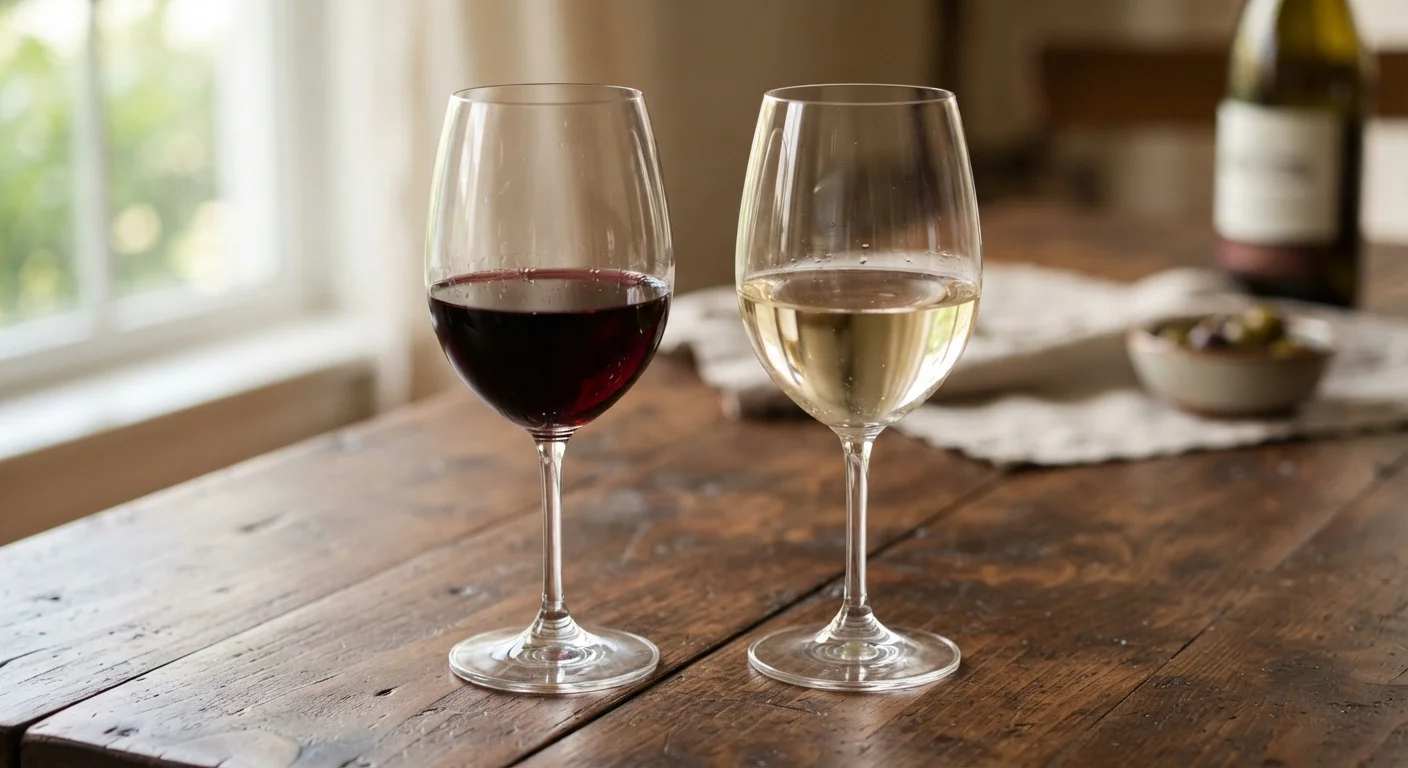
When researchers have handed participants identical wine and varied only the stated price, the results are consistently striking: people report greater pleasure from the wine they believe costs more. A widely cited series of experiments conducted at the California Institute of Technology used brain imaging alongside taste ratings and found that higher stated prices activated the brain's reward centers more strongly - even when the wine was physically the same liquid.
This isn't a personal failing. It's a well-documented psychological phenomenon called expectation bias, and it operates below conscious awareness. The price cue functions as quality information in the brain, shaping the sensory experience before the first sip lands on the palate. Understanding this effect is the first step to trusting your own preferences rather than a bottle's price tag.
~$0
Difference in enjoyment from price alone in blind tastings
A large-scale analysis by economist Robin Goldstein found a near-zero or slightly negative correlation between wine price and enjoyment for non-expert tasters in blind conditions.
2x
Reported enjoyment boost from a higher stated price
Caltech research found that simply telling participants a wine cost more doubled their reported pleasantness ratings, even when both samples were identical.
Myths and Facts About Wine Pricing
Wine culture carries a heavy load of assumptions - about what expensive means, what experts know, and what "good" wine actually is. The following myth-and-fact pairs address the most persistent misconceptions, grounded in what research and professional tasting practice actually show.
Myth
Higher-priced wine always tastes better to anyone who tries it.
Fact
Blind tasting studies consistently show that most people cannot reliably distinguish expensive wine from affordable wine by taste alone.
When price information is removed, the preference gap between costly and budget wines shrinks dramatically or disappears entirely. This holds across large consumer panels. The enjoyment advantage associated with expensive wine is largely a product of context and expectation, not the liquid itself.
Myth
Wine critics' high scores guarantee you'll enjoy a bottle.
Fact
Professional scores reflect a trained palate's evaluation of technical merit and complexity - not your personal preference.
Critical scores are calibrated to specific standards around structure, balance, and regional typicity. These are meaningful for collectors and enthusiasts, but research shows that non-expert enjoyment correlates weakly with professional ratings. Using scores as a starting point is fine; treating them as a verdict on your palate is not.
Myth
Spending more always means better quality ingredients and winemaking.
Fact
Price reflects many factors beyond quality, including land costs, production scale, branding, and import duties.
A wine's retail price is shaped by vineyard real estate values, appellation prestige, bottle and packaging costs, distributor margins, and marketing investment. None of these factors directly translate into what's inside the glass. Small-production wines from less-famous regions can be crafted with equal or greater care than famous labels at a fraction of the price.
Myth
If you can't taste the difference, you have an unsophisticated palate.
Fact
Not detecting price-linked differences in blind tastings is the normal outcome - for most people, including many experienced drinkers.
Taste sensitivity varies by genetics, training, and familiarity with a category. But in controlled conditions, even experienced wine drinkers perform at or near chance when asked to rank wines by price. Enjoyment and perception of quality are genuinely personal, and there is no hierarchy of palates in casual drinking contexts.
Myth
The most expensive bottle at a restaurant is the safest choice for impressing guests.
Fact
Wine enjoyment at a meal is heavily influenced by food pairing, temperature, glassware, and social atmosphere - not price alone.
A well-chosen mid-range wine served at the right temperature in appropriate glassware, paired thoughtfully with the food on the table, will deliver more pleasure than an expensive bottle served poorly or mismatched with the meal. Investing in these contextual factors pays off more reliably than simply spending more per bottle.
What Experts Taste vs. What You Taste
Trained sommeliers and wine critics do perceive wines differently from casual drinkers, but not always in the way you might expect. Research suggests that professionals are better at identifying grape varieties, regions, and technical flaws - but their enjoyment ratings don't consistently favor pricier bottles either. In large-scale blind tastings aggregated by economist Robin Goldstein, expensive wines received only marginally higher expert scores on average, and for non-experts the correlation between price and enjoyment was actually slightly negative.
What this means practically: a wine's complexity, which trained palates are skilled at dissecting, is not the same as personal enjoyment. You are the authority on what you like. If you're curious about expanding your palate, consider exploring how storage conditions affect what ends up in your glass - see our guide on storing wine at home without a cellar for practical principles that preserve any bottle's quality.
Don't Let Scores Override Your Own Experience
Relying solely on critic ratings or price tiers to guide every purchase can pull you away from wines you genuinely enjoy. Use external guidance as one input, not the final word. Your repeated, honest reactions to what you drink are the most reliable data you have about your own taste.
Building Confidence as a Wine Drinker
The most useful takeaway from the research isn't that all expensive wine is overrated - it's that price is an unreliable guide to your personal enjoyment. A more effective approach is to experiment systematically: try wines in blind or semi-blind settings, note what you actually liked rather than what you expected to like, and track grape varieties and regions rather than prestige labels.
If you're navigating wine labels more broadly, understanding production terminology is genuinely helpful. Our overview of natural, organic, and biodynamic wine labels clarifies what those increasingly common terms actually certify - or don't. Armed with that knowledge, you can make choices based on values and preference rather than marketing signals. Most everyday drinkers find their sweet spot in the mid-range: bottles priced well below premium tiers that still deliver real complexity and consistent enjoyment.