
What 'Plant-Based' Actually Means
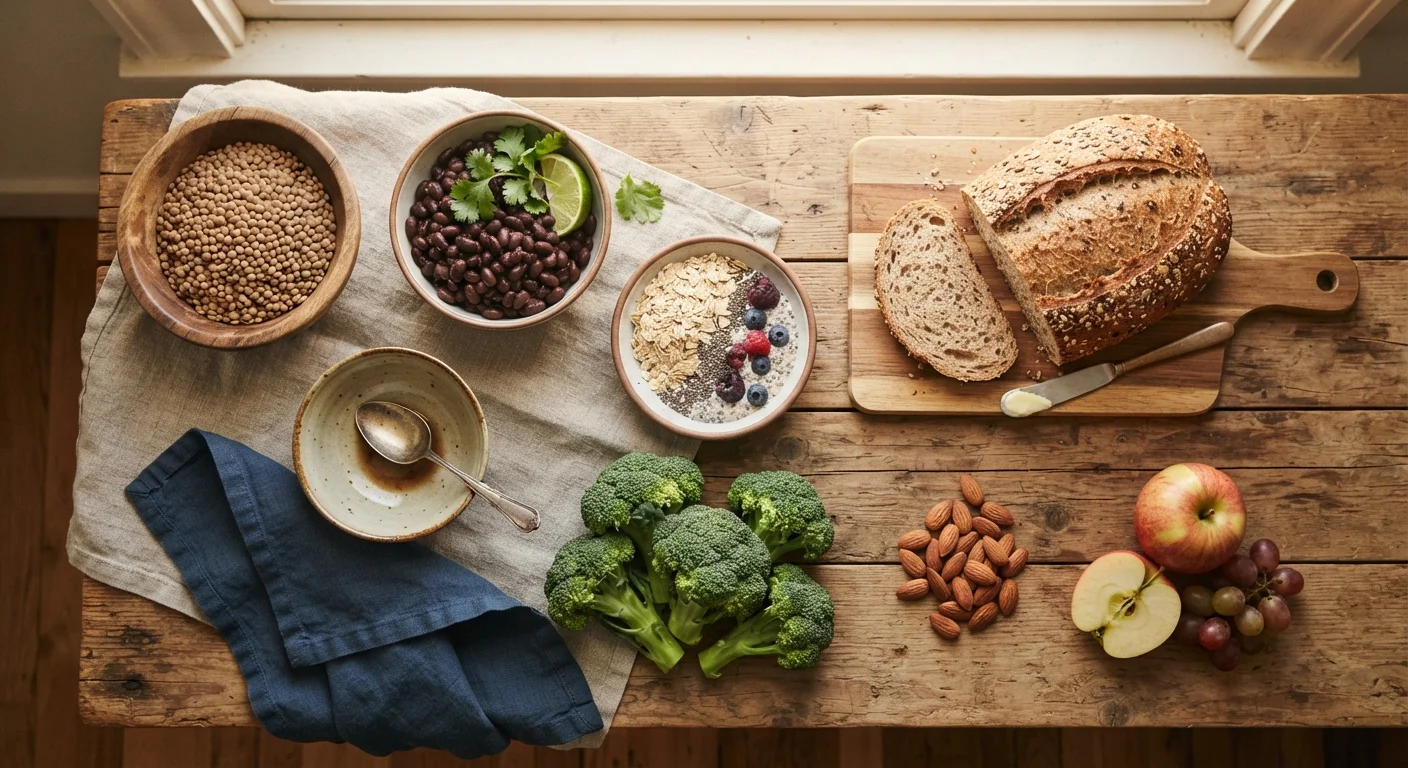
The term plant-based gets used loosely, and that's actually useful - it signals a direction rather than a rigid rulebook. In nutritional research, plant-based eating generally refers to a dietary pattern where the majority of calories come from vegetables, fruits, legumes, whole grains, nuts, and seeds, with animal foods playing a smaller or secondary role.
This is distinct from veganism, which is a complete exclusion of animal products, often for ethical or environmental reasons. Plant-based eating, by contrast, is more of a dial than an on/off switch. You might eat plant-based 80% of the time while still enjoying eggs at brunch or salmon on occasion. That flexibility is exactly what makes it a realistic starting point for omnivores.
Plant-based diet
An eating pattern centered on foods from plants - vegetables, fruits, legumes, grains, nuts, and seeds - with animal products reduced but not necessarily eliminated.
Legumes
A food family that includes beans, lentils, chickpeas, and peas. They are rich in protein, fiber, and minerals, and are a cornerstone of plant-forward eating.
Phytonutrients
Natural compounds found in plants that may support health. Examples include flavonoids in berries and carotenoids in carrots - these are distinct from vitamins and minerals.
Non-heme iron
The form of iron found in plant foods. It is less readily absorbed by the body than heme iron from animal sources, but absorption can be improved by eating it alongside vitamin C.
Complete protein
A protein that contains all nine essential amino acids in adequate amounts. Animal proteins are typically complete; most plant proteins are not, though eating a variety of plant foods throughout the day covers all amino acid needs.
If you're new to thinking about dietary patterns more broadly, our introduction to healthier eating covers the foundational terminology worth knowing before diving deeper.
Why the Evidence Points Toward More Plants
The case for eating more plant foods isn't built on trends - it's grounded in decades of nutritional epidemiology. Dietary patterns rich in vegetables, legumes, and whole grains are consistently associated with lower rates of cardiovascular disease, type 2 diabetes, and certain cancers, according to large observational studies and reviews published in journals including The Lancet and The New England Journal of Medicine.
Much of this benefit is attributed to the combined effect of dietary fiber, phytonutrients (natural plant compounds), healthier fat profiles, and lower intakes of processed meat - rather than any single superfood. It's also worth noting that these studies compare eating patterns, not isolated ingredients.
Observational Research Has Limits
Most large studies on plant-based diets are observational - they show association, not direct causation. People who eat more plants also tend to differ in other lifestyle habits, which makes it difficult to isolate diet as the sole factor. The overall pattern of evidence is strong, but science in this area continues to evolve.
For a deeper comparison of how plant-forward and omnivore diets stack up on specific health markers, see our balanced evidence-based comparison.
Practical Ways to Shift Without Overhauling Your Diet
The most effective dietary change is one you can maintain. Rather than eliminating food groups, consider progressive addition and substitution:
- Add before you subtract. Start by adding a serving of vegetables or legumes to meals you already make. A handful of spinach in scrambled eggs, or lentils stirred into a ground beef sauce, builds the habit without disruption.
- Try one plant-forward meal per week. A bean taco night or a lentil soup is a low-stakes experiment. As familiarity grows, so does confidence.
- Rethink protein as a supporting player. Many cuisines - Mediterranean, South Asian, Mexican - treat meat as a flavoring or garnish rather than the centerpiece. Borrowing from these traditions is a natural gateway.
- Batch-cook legumes. Dried chickpeas, black beans, and lentils are inexpensive, shelf-stable, and versatile. Cooking a large pot on weekends makes plant protein easy to add throughout the week.
Start With What You Already Cook
Look at your five most-made meals and ask how you could increase the plant content of each. Adding a cup of black beans to a stir-fry or doubling the vegetable portion in a pasta dish requires no new recipes and very little extra effort. Habit change is easier when it builds on familiar routines.
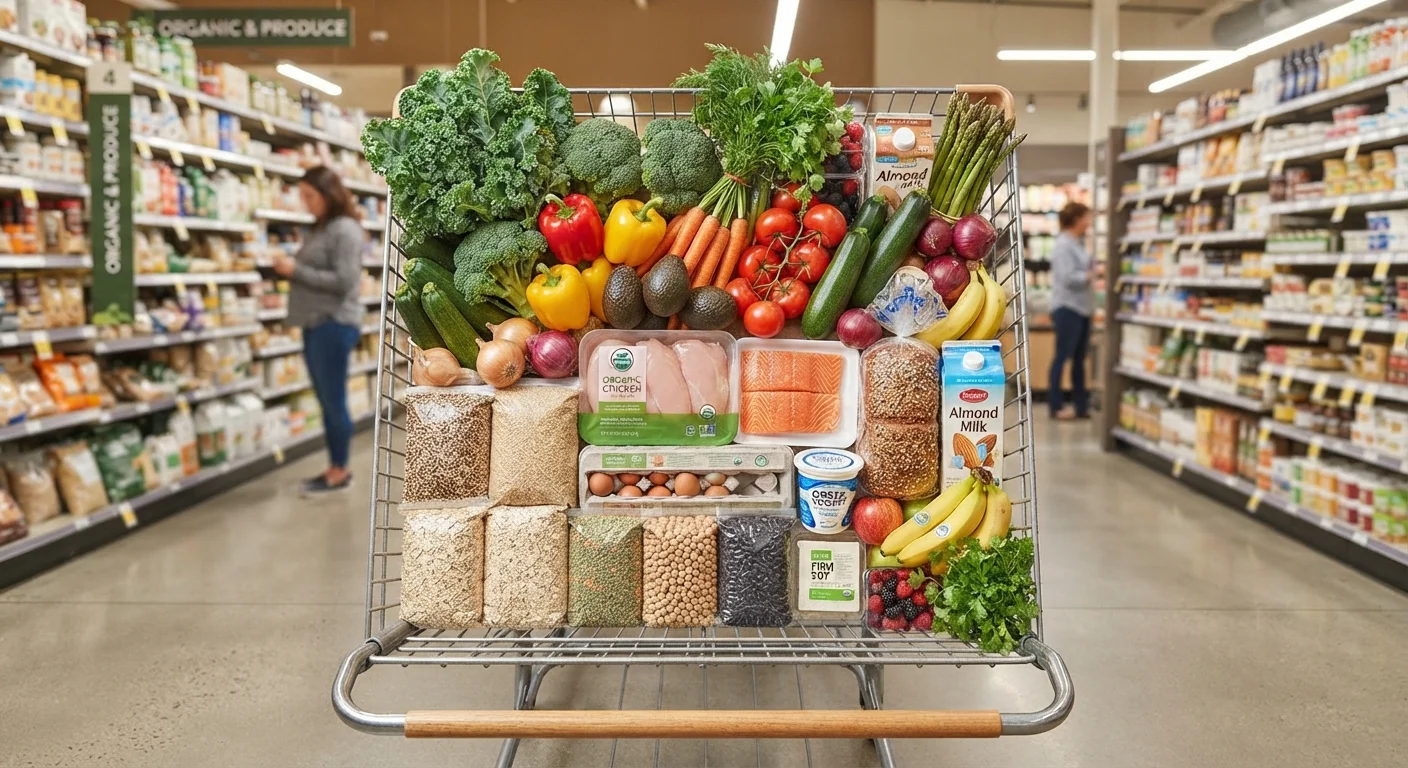
For budget-conscious approaches to stocking a plant-forward pantry, our guide to healthy eating on a budget offers practical, wallet-friendly strategies.
Key Nutrients to Keep on Your Radar
For most people making moderate shifts toward more plants, nutritional gaps are unlikely to become a concern. However, if you significantly reduce animal foods, a few nutrients deserve attention:
- Vitamin B12
- Found almost exclusively in animal products. People who substantially limit meat, fish, eggs, and dairy should discuss B12 monitoring and potential supplementation with a healthcare provider.
- Iron
- Plant sources provide non-heme iron, which is absorbed less efficiently than the heme iron in meat. Pairing iron-rich plant foods (lentils, fortified cereals, spinach) with vitamin C sources improves absorption.
- Calcium
- Those reducing dairy can look to fortified plant milks, tofu made with calcium sulfate, broccoli, and leafy greens like bok choy.
- Omega-3 fatty acids
- Fatty fish is a concentrated source. For those reducing fish, walnuts, flaxseed, and chia seeds provide ALA - a plant-form omega-3 - though conversion to the active forms (EPA and DHA) is limited.
Understanding how different protein sources compare across these dimensions can help you mix and match confidently - our protein sources comparison breaks this down clearly.
This article is for informational purposes only and is not a substitute for personalized medical or nutritional advice. Consult a qualified healthcare professional before making significant changes to your diet, especially if you have an existing health condition.
Building Meals That Actually Satisfy
One common concern about eating less meat is feeling less full. Satiety is influenced by protein, fiber, fat, and volume - all of which plant-based meals can deliver in abundance when thoughtfully composed.
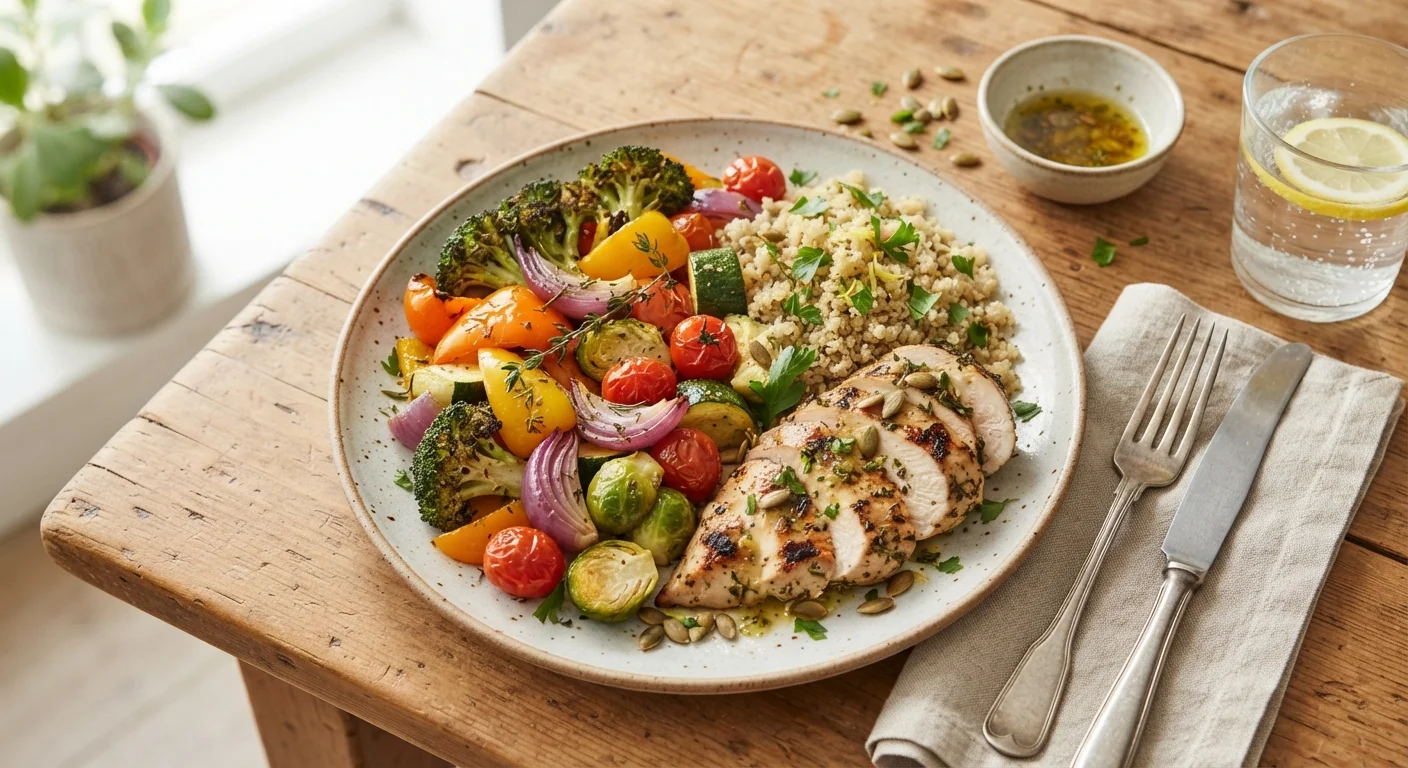
A useful mental framework: aim to fill roughly half your plate with vegetables, one quarter with a whole grain or starchy vegetable, and one quarter with a protein source - plant or animal. This structure works with or without meat. Our everyday plate guide walks through this approach using simple visual cues, without requiring calorie counting.
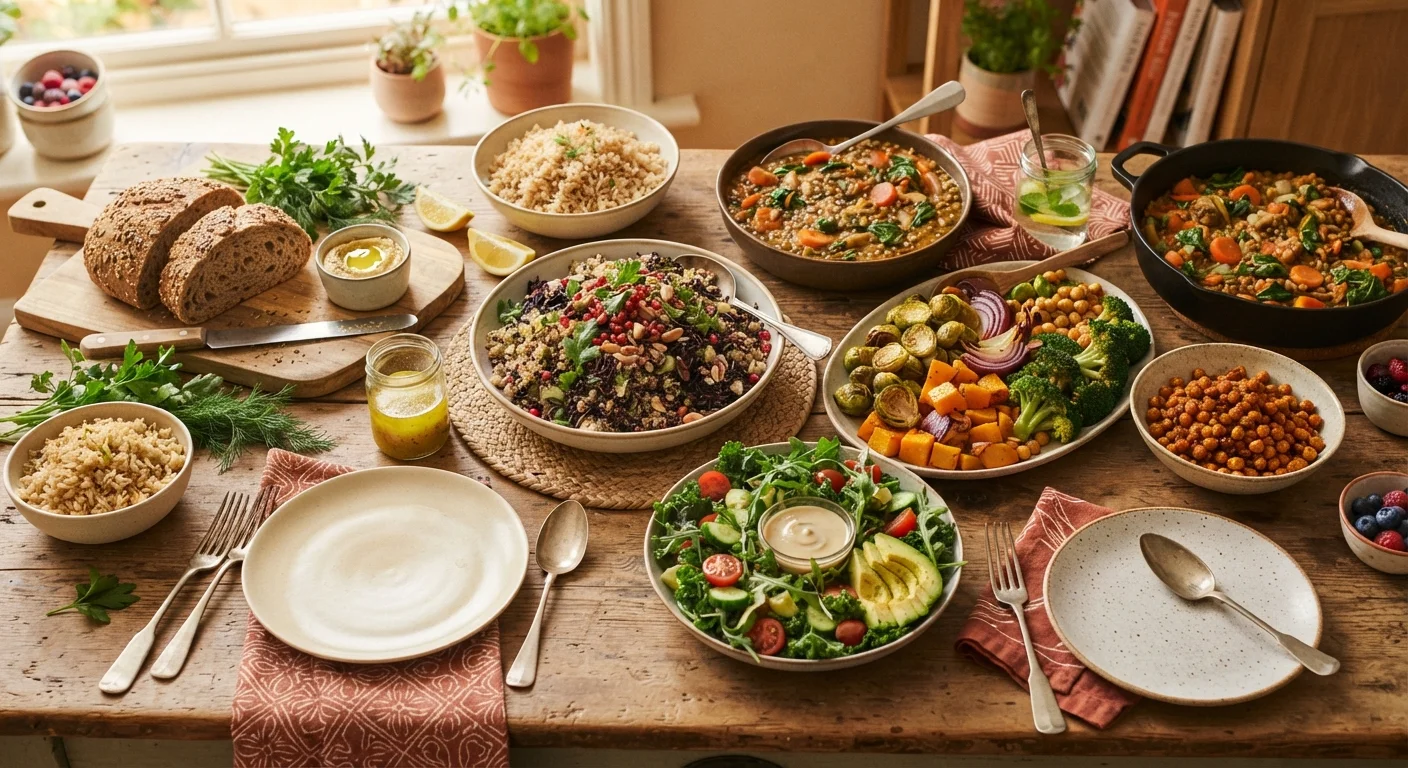
Texture and seasoning also matter more than many people realize. Roasting vegetables until caramelized, using bold spices, and incorporating healthy fats like olive oil or tahini all contribute to meals that feel genuinely satisfying - not like compromise. The cooking skills hub has practical technique guidance that can make plant-forward cooking more rewarding at home.