
Why Nutritional Needs Change Over Time
Nutrition is not a fixed target. The human body moves through distinct physiological phases - growth, reproduction, maintenance, and gradual decline - and each phase changes what it requires from food. Hormones shift, organs mature, muscle mass fluctuates, and the gut's ability to absorb certain nutrients can diminish with age.
These changes are not subtle. According to the DRI framework established by the National Academies of Sciences, Engineering, and Medicine, recommended intakes for nutrients like calcium, iron, and vitamin B12 vary significantly by age group and biological sex. Understanding why those numbers change can help you make more intentional choices at every decade - and recognize when general advice may not apply to your situation.
If you're new to thinking about dietary quality, this grounded introduction to healthier eating covers what a balanced diet looks like before diving into life-stage specifics.
1,300 mg
Daily calcium need for ages 9-18
Per the National Academies of Sciences DRI framework - the highest calcium requirement across any life stage.
~30%
Drop in resting metabolic rate from age 20 to 70
Research published in Science (2021) found metabolic rate declines gradually, accelerating after approximately age 60.
1 in 5
Older adults with vitamin B12 insufficiency
Estimates from population studies suggest B12 insufficiency is common in adults over 60 due to reduced absorption capacity.
Infancy and Toddlerhood: Building the Foundation
The first two years of life represent the fastest period of human growth. Breast milk or iron-fortified infant formula is the recommended primary nutrition source through the first six months, providing a balance of fat, carbohydrate, protein, and immune-supporting compounds that no single food replicates.
Iron becomes a critical focus around six months, when infants' stored iron - built up in utero - begins to run low. Introducing iron-rich foods like pureed meats or fortified cereals alongside vitamin C-rich foods (which enhance iron absorption) is a standard recommendation from the American Academy of Pediatrics.
Toddlers (ages 1-3) need calorie-dense, nutrient-rich foods to support continued brain development. Healthy fats - from sources like avocado, nut butters, and full-fat dairy - remain important. Choking hazards and food textures require attention throughout this stage. Caregivers navigating feeding challenges should consult a pediatric dietitian or their child's pediatrician rather than relying solely on general guidance.
Introduce a Wide Variety Early
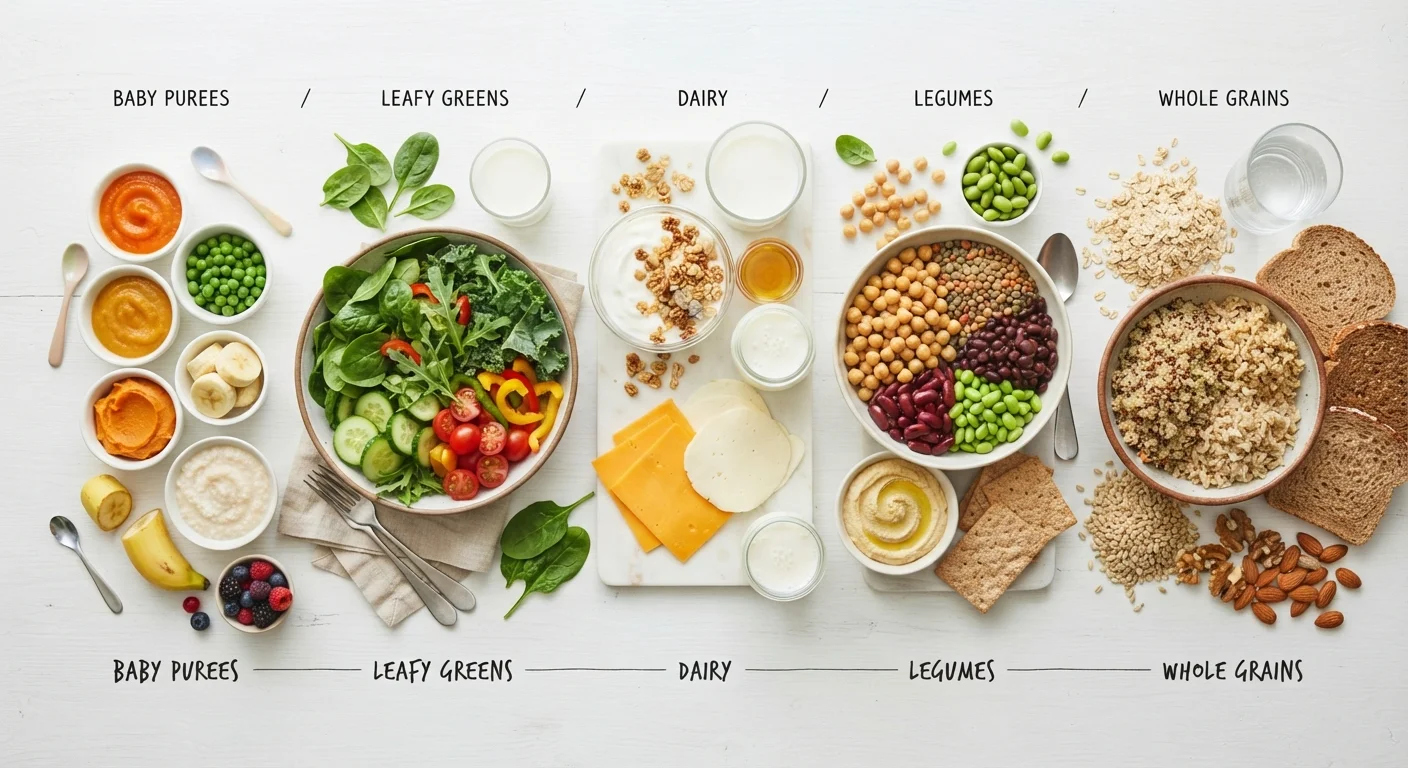
Research suggests repeated exposure to diverse flavors during infancy and toddlerhood may reduce food pickiness later in childhood. Offering a range of vegetables, textures, and mild spices in age-appropriate forms is consistent with current pediatric feeding guidance. Don't interpret one rejection as a permanent preference - it can take many exposures before a child accepts a new food.
Childhood and Adolescence: Growth Demands More
School-age children and teenagers experience another major surge in nutritional demand. Adolescence in particular triggers rapid bone mineralization, meaning calcium and vitamin D needs peak during this window. The DRI sets calcium needs at 1,300 mg per day for ages 9-18 - higher than at any other life stage.
Iron needs also rise sharply for adolescent girls following the onset of menstruation. Research consistently shows that teenage girls are among the groups most at risk for iron-deficiency anemia, with dietary surveys suggesting many fall short of recommended intakes.
Protein needs scale with body weight and growth velocity. Teens engaged in competitive athletics or strength training may have higher protein needs than sedentary peers, though this doesn't require supplements - whole food sources typically meet demand. A quick-reference guide to essential vitamins and minerals can help clarify what each nutrient actually does and where to find it in everyday food.
For teenage athletes, prioritize food timing around training - a mix of carbohydrates and protein within about an hour of intense activity supports muscle repair and replenishes glycogen effectively.
Sports nutrition research consistently shows that nutrient timing matters for recovery, particularly during growth phases when the body is simultaneously building tissue and repairing exercise-induced stress.
When assessing adolescent diets, look at iron and calcium first - these are the two nutrients most likely to fall short, with real consequences for energy, cognition, and bone development.
National dietary surveys (including NHANES data) repeatedly identify adolescent girls as at elevated risk for iron deficiency, and calcium shortfalls are common across all teenage demographics.
Early and Middle Adulthood: Maintaining What You Have
Between roughly ages 20 and 50, most people's caloric needs stabilize - though they gradually decrease through this span as metabolic rate and lean muscle mass tend to decline, particularly after age 30. The practical implication: the same eating patterns that maintained a healthy weight at 22 may lead to gradual weight gain by 42 without adjustment.
This is also the life stage where chronic disease risk begins to accumulate. Diets higher in fiber, unsaturated fats, and plant diversity are associated with lower risk of cardiovascular disease, type 2 diabetes, and certain cancers, according to extensive research published in journals like The Lancet and JAMA Internal Medicine.
Pregnancy and lactation impose the most dramatic nutrient surges in adult life: folate (ideally before conception), iron, iodine, choline, and omega-3 fatty acids all see substantially increased DRI values. People who are pregnant or breastfeeding should work closely with a healthcare provider rather than extrapolating from standard adult guidelines. How exercise needs shift across adult life pairs well here - movement and nutrition interact closely throughout middle adulthood.
Pregnancy Nutrition Is Not Generic Adult Nutrition
Folate needs nearly double during pregnancy, and inadequate intake in the weeks before and after conception is associated with neural tube defects. Iron, iodine, and choline needs also rise substantially. Anyone who is pregnant, planning to become pregnant, or breastfeeding should consult an OB-GYN or registered dietitian for personalized guidance - not rely on standard adult dietary recommendations.
Older Adulthood: Adapting as the Body Changes
From roughly age 60 onward, several shifts converge to make nutritional adequacy more challenging. Appetite often decreases due to hormonal changes, reduced taste sensitivity, and medication side effects - yet micronutrient needs remain high or increase. This is sometimes described as a need for nutrient-dense eating: getting more nutrition from fewer calories.
Protein needs per kilogram of body weight are now understood to be higher in older adults than previously recognized. Research, including work by the PROT-AGE Study Group, suggests older adults may need more protein than the standard adult recommendation to preserve muscle mass and strength - a condition called sarcopenia when it deteriorates significantly.
Vitamin B12 absorption declines with age as stomach acid production decreases, making deficiency more common even in people with adequate dietary intake. Calcium and vitamin D remain critical for bone health. This overview of nutritional shifts across adulthood goes deeper into the specific changes older adults should be aware of.
Hydration is another underappreciated concern - the thirst mechanism becomes less reliable with age. Understanding how water and hydration affect how your body uses food is especially relevant for this age group.
When to Seek Professional Guidance
General dietary guidelines are built for population-level health - they represent useful averages, not individualized prescriptions. Life circumstances that warrant a conversation with a registered dietitian (RD) or physician include: managing a chronic condition like diabetes or kidney disease, unexplained fatigue or weight changes, recovery from illness or surgery, pregnancy or postpartum nutrition, and concerns about a child's growth or eating patterns.
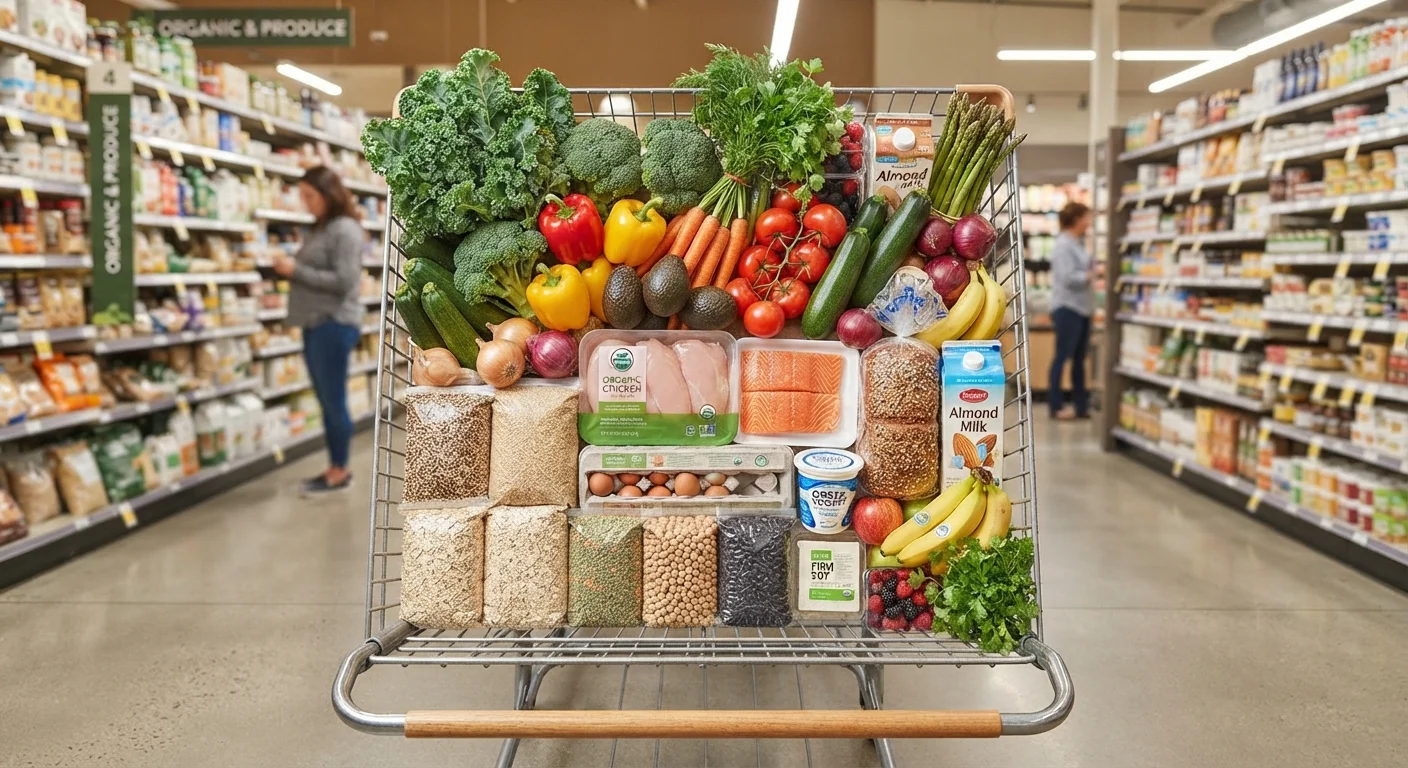
For everyday food decisions, tools like this aisle-by-aisle grocery checklist can help translate broad principles into practical choices at the store.
Supplements Don't Replace a Varied Diet
At every life stage, whole food sources of nutrients provide cofactors, fiber, and synergistic compounds that isolated supplements do not replicate. Supplements can address documented deficiencies but should not be used as a substitute for dietary variety. Before starting any supplement regimen - especially for children, pregnant individuals, or older adults - consult a healthcare provider, as some nutrients can cause harm in excessive doses.
This article is for general informational purposes only and does not constitute medical or dietary advice. Consult a qualified healthcare professional or registered dietitian for guidance specific to your health circumstances.