
What Happens Inside the Mill
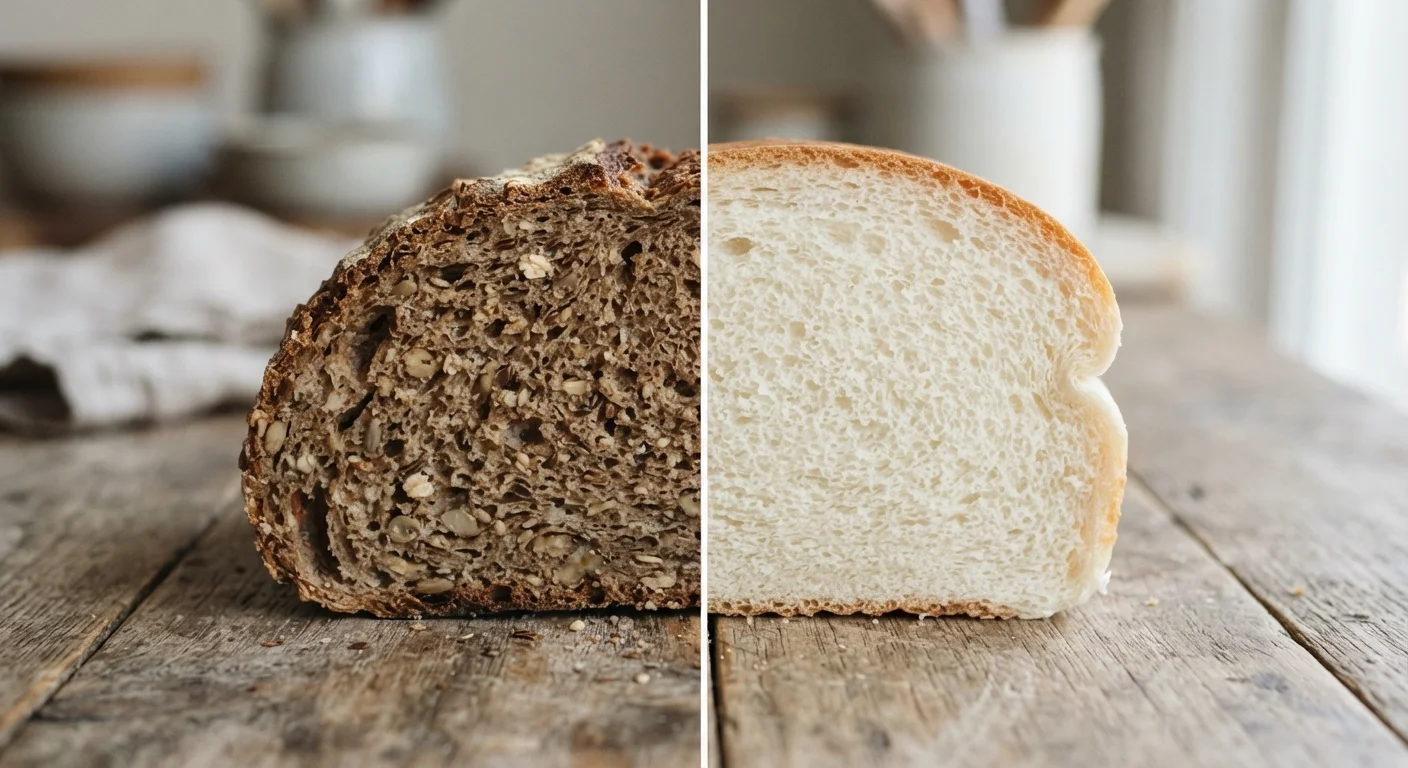
Every grain kernel has three anatomical layers: the outer bran, the nutrient-rich germ, and the starchy endosperm. A whole grain product keeps all three intact - or recombines them after milling in their original proportions. Refining removes the bran and germ entirely, leaving only the endosperm.
That single step has significant nutritional consequences. The bran supplies the majority of a grain's dietary fiber and houses most of its B vitamins (thiamin, riboflavin, niacin, and B6), along with antioxidants and phytochemicals. The germ is dense with vitamin E, healthy fats, and additional B vitamins. The endosperm, by contrast, is predominantly starch with a modest amount of protein.
To partially compensate, the U.S. requires that most refined grain products be enriched - meaning thiamin, riboflavin, niacin, folic acid, and iron are added back. Enrichment addresses deficiency risks (folic acid fortification has meaningfully reduced neural tube defects since its mandating in 1998), but it does not restore fiber, vitamin E, magnesium, zinc, or the dozens of phytochemicals lost in processing. For a deeper look at how to interpret grain claims on food packaging, see our guide to reading nutrition labels.
| Criterion | Whole Grains | Refined Grains |
|---|---|---|
| Kernel parts retained | Bran, germ, and endosperm | Endosperm only |
| Dietary fiber | High (e.g., ~3-4g per slice of bread) | Low (e.g., ~0.5-1g per slice) |
| B vitamins (natural) | Broad, naturally occurring | Mostly stripped; some added back |
| Vitamin E | Present (from germ) | Largely absent |
| Glycemic response | More gradual blood sugar rise | Faster blood sugar spike |
| Shelf stability | Shorter (germ oils can go rancid) | Longer shelf life |
| Phytochemicals & antioxidants | Rich and diverse | Greatly reduced |
| Texture | Denser, chewier | Lighter, softer |
What the Evidence Says About Health Outcomes
Decades of epidemiological research associate higher whole grain intake with meaningfully lower rates of cardiovascular disease, type 2 diabetes, and certain digestive cancers. A 2016 meta-analysis published in The BMJ found that each 90-gram daily serving of whole grains was associated with a 22% lower risk of heart disease and a 15% lower risk of type 2 diabetes compared with little or no whole grain intake. Observational studies cannot prove causation, but the consistency of findings across diverse populations strengthens the case.
The mechanisms are plausible and multiple: soluble fiber lowers LDL cholesterol; slower glucose absorption moderates insulin demand; fermentation of fiber in the gut produces short-chain fatty acids that support colon health; and the micronutrient package as a whole influences inflammation markers.
22%
Lower heart disease risk with daily whole grain intake
A 2016 meta-analysis in The BMJ associated each 90g daily serving of whole grains with this reduction in cardiovascular disease risk.
<1 serving
Average daily whole grain intake for most Americans
Despite guidelines recommending at least three servings daily, most U.S. adults fall well short, according to data from the Dietary Guidelines Advisory Committee.
25%
Lower type 2 diabetes risk linked to whole grain consumption
Multiple large cohort studies have found consistent associations between higher whole grain intake and reduced type 2 diabetes incidence.
Refined grains are not inherently harmful, and context matters. A diet rich in vegetables, legumes, and lean proteins can accommodate some refined grains without significantly elevating health risk. The concern arises when refined grains displace whole grains and other nutrient-dense foods as dietary staples. For a fuller picture of how grain-based proteins compare to other sources, see our protein sources comparison.
Making the Switch: Practical Considerations
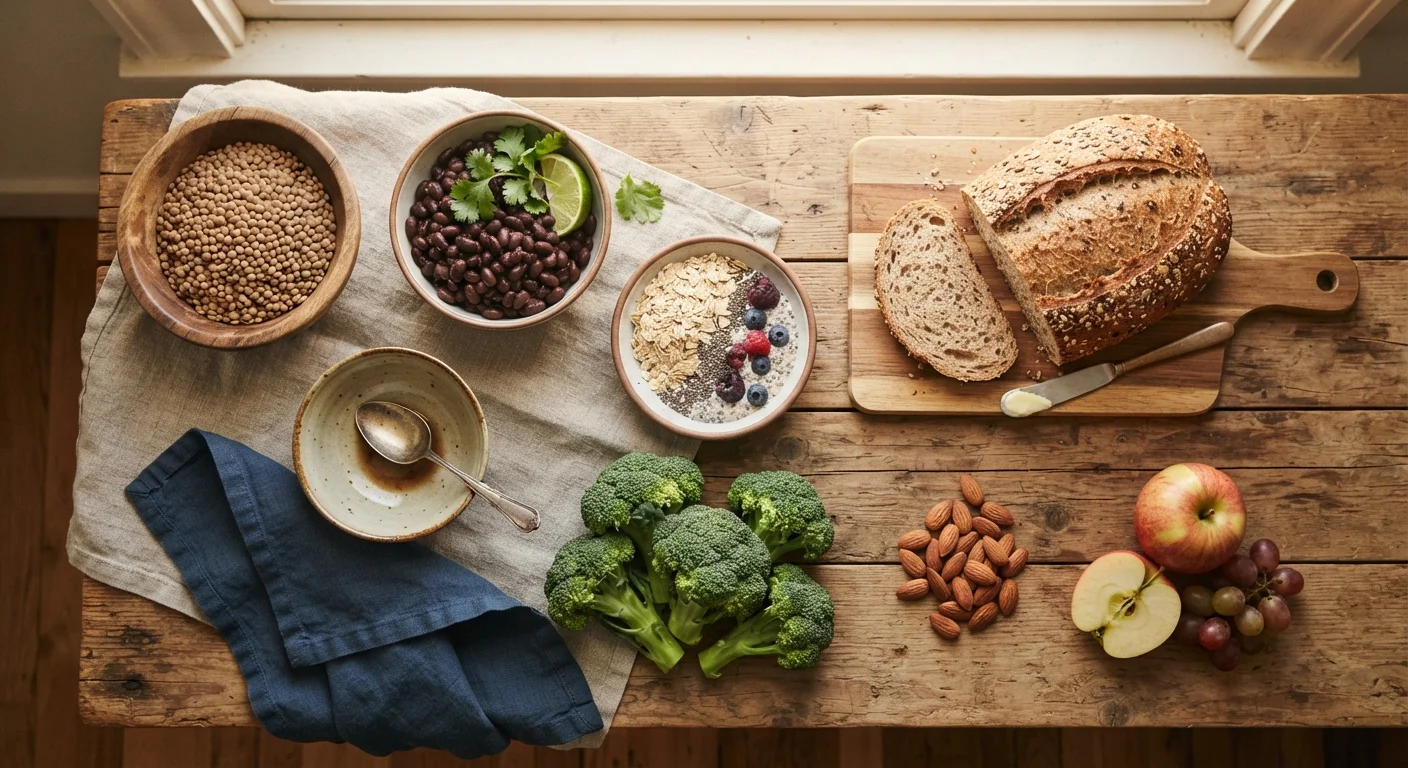
The Dietary Guidelines for Americans recommend that at least half of all grains consumed be whole grains - roughly three one-ounce servings daily - yet most Americans average fewer than one. Incremental substitution is a realistic and evidence-supported strategy: swapping white rice for brown rice, choosing whole wheat pasta, or selecting oats over instant refined cereals adds up without requiring a full dietary overhaul.
Identifying genuine whole grain products requires some label literacy. "Multigrain," "wheat," or "made with whole grain" are not equivalent to "whole grain" - the first ingredient should read "whole wheat," "whole oat," "brown rice," or another whole grain.
How to Spot a True Whole Grain Product
Look for the word "whole" before the grain name as the first ingredient on the label - for example, "whole wheat flour" or "whole grain oats." Terms like "multigrain," "stone-ground," or "100% wheat" do not guarantee a whole grain product. The Whole Grain Council's stamped logo on packaging can also serve as a reliable at-a-glance indicator, though not all legitimate whole grain products carry it.
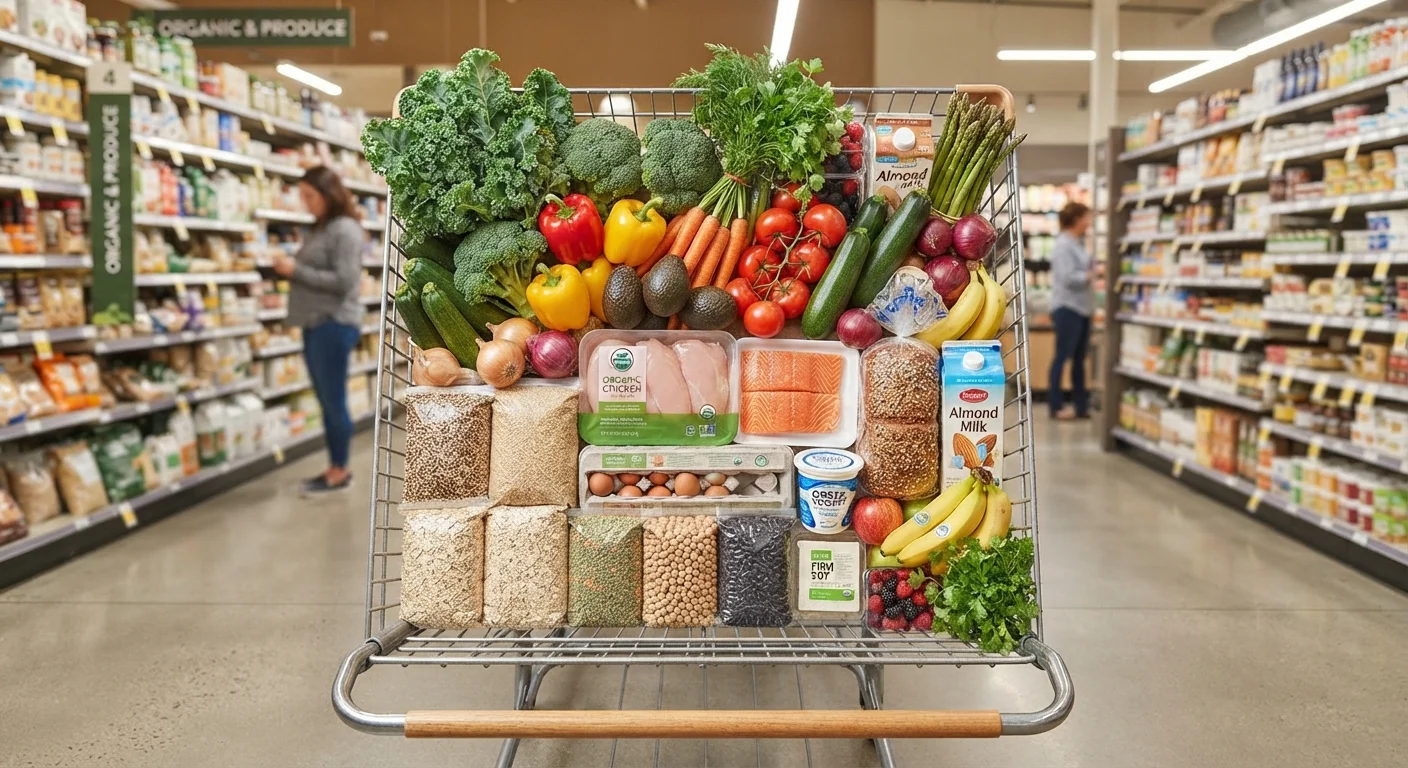
Texture and flavor differences are real: whole grains tend to be heartier and chewier, which some people enjoy and others need time to adjust to. Blending half whole wheat flour into familiar recipes is a low-barrier entry point. For help building a shopping routine around smarter grain choices, our grocery shopping nutrition guide offers a practical starting framework.
This article is for general informational and educational purposes only and is not a substitute for professional medical or dietary advice. Consult a qualified healthcare provider or registered dietitian for guidance specific to your health needs.