
What Makes a Protein Source "Complete"?
Protein is made up of amino acids, nine of which are considered essential - the body cannot synthesize them, so they must come from food. A complete protein supplies all nine in proportions the body can use effectively.
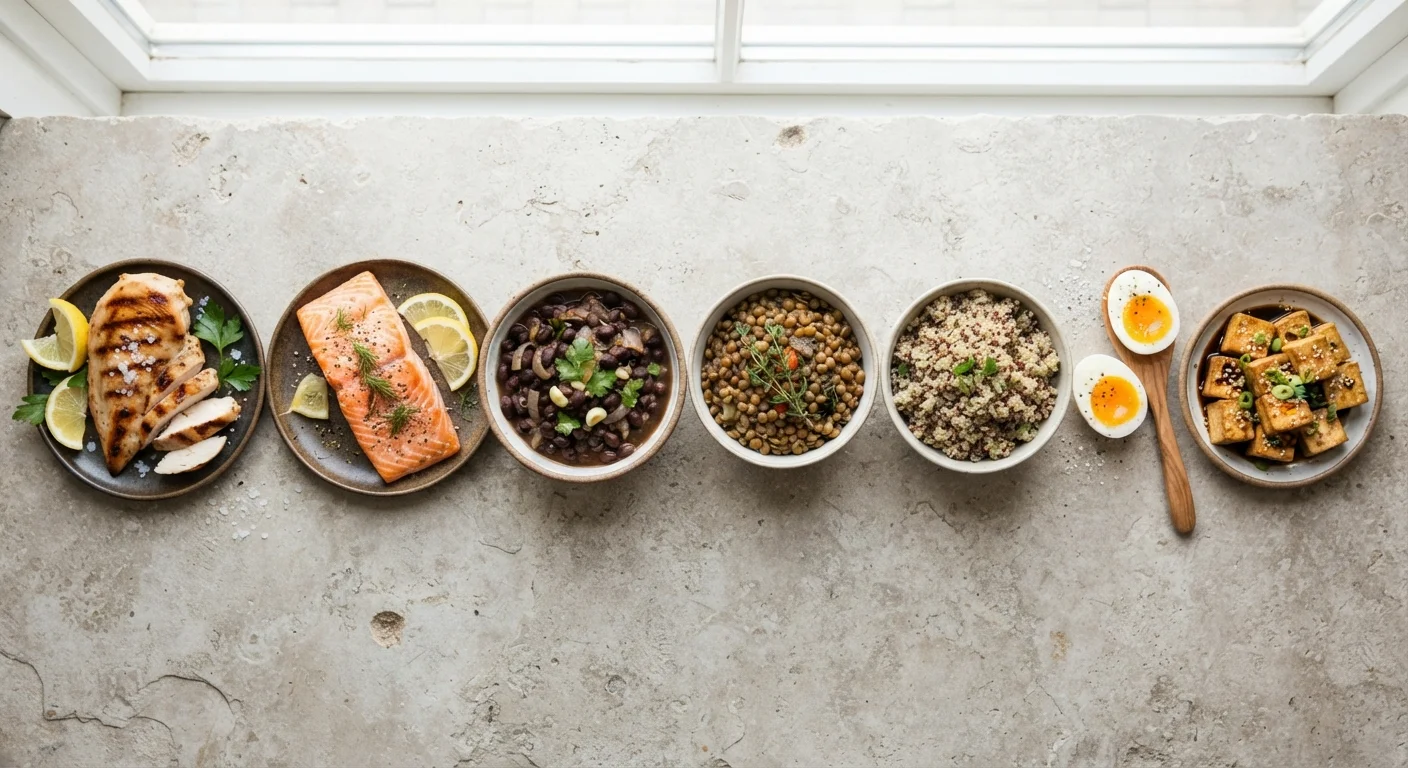
Animal proteins - including meat, poultry, fish, eggs, and dairy - are universally complete. Most plant proteins fall short in one or more essential amino acids: legumes tend to be low in methionine, while grains are typically low in lysine. This gap is real but manageable. Eating a variety of plant foods across the day, rather than at every single meal, provides a full amino acid profile. For a deeper look at how plant-forward eating compares overall, see Plant-Based Eating vs. Traditional Omnivore Diets: What the Evidence Shows.
A notable exception is quinoa, a grain-like seed that is genuinely complete, making it particularly valued in plant-focused eating patterns.
How the Three Categories Compare
Understanding each category's strengths and limitations helps you build meals with intention rather than guesswork.
| Animal Proteins | Legumes | Grain Proteins | |
|---|---|---|---|
| Amino acid completeness | Complete (all 9 essential AAs) | Incomplete (low methionine) | Incomplete (low lysine) |
| Typical protein per serving | 20-30g per 3-4 oz cooked | 15-18g per cooked cup | 3-8g per serving |
| Digestibility (DIAAS) | High (often >1.0) | Moderate (improves with cooking) | Moderate to low |
| Key bonus nutrients | B12, heme iron, zinc, omega-3s | Fiber, folate, potassium, magnesium | Complex carbs, B vitamins, fiber |
| Dietary fiber content | Negligible | High | Moderate (whole grains) |
| Environmental footprint | Higher (especially red meat) | Low | Low to moderate |
| Cost (general) | Variable; can be high | Generally low | Generally low |
Animal proteins such as chicken breast, canned tuna, eggs, Greek yogurt, and cottage cheese deliver concentrated protein with high digestibility scores (Digestible Indispensable Amino Acid Score, or DIAAS, values typically above 1.0). They also supply nutrients that are difficult to obtain from plants, particularly vitamin B12, heme iron (more readily absorbed than plant iron), zinc, and long-chain omega-3 fatty acids from fatty fish.
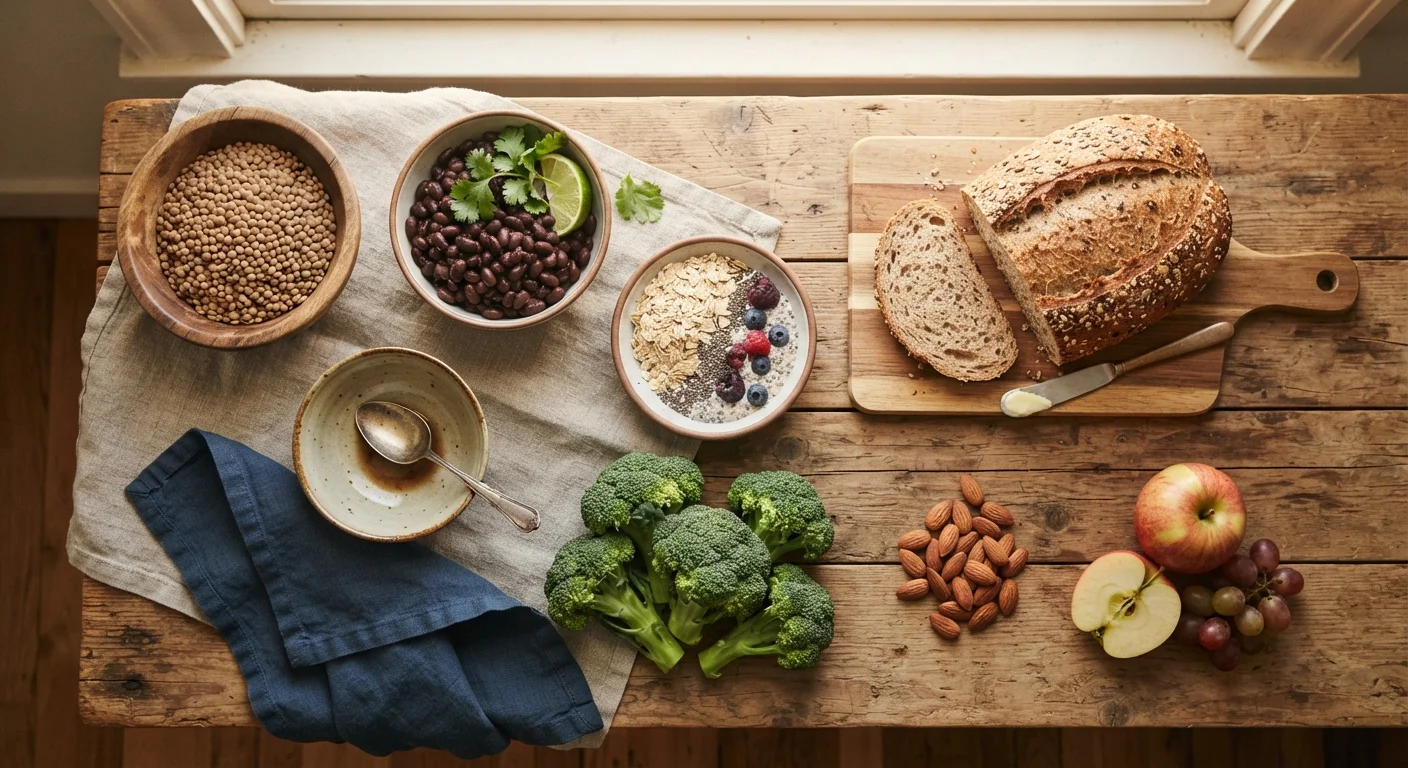
Legumes - lentils, black beans, chickpeas, edamame, and split peas - provide roughly 15-18 grams of protein per cooked cup alongside substantial dietary fiber and resistant starch. Their DIAAS scores are lower than animal foods, but soaking dried legumes overnight and cooking them thoroughly significantly improves digestibility. Legumes also contribute folate, magnesium, and potassium.
Grain proteins - from oats, whole wheat, brown rice, and barley - are modest contributors (typically 3-8 grams per serving) but meaningful when eaten frequently. Pairing grains with legumes is one of the most time-tested strategies in global food culture, complementing each category's amino acid gaps. For more on grain quality differences, see Whole Grains vs. Refined Grains: What Changes When You Process a Kernel.
Digestibility: Why Absorption Matters
Protein quality isn't just about amino acid content - it's about how much your body can actually absorb and use. Nutrition scientists use the DIAAS to measure this, accounting for both amino acid profile and digestibility in the small intestine.
~0.7-0.9
DIAAS score range for cooked legumes
Research published in food science literature shows cooked legumes score notably below whole eggs (DIAAS ~1.13) but well above zero, supporting their value as a protein source.
~15-18g
Protein per cup of cooked lentils or black beans
USDA FoodData Central nutrient data for common cooked legumes, illustrating their competitive protein content relative to portion size.
~8g
Protein per cup of cooked oats
Whole grains like oats contribute meaningful protein when eaten regularly, according to USDA nutrient databases, though they function best as a complement to other sources.
Raw legumes and grains contain antinutrients - compounds like phytates and lectins - that can inhibit protein and mineral absorption. Fortunately, standard cooking methods largely neutralize these effects. Sprouting, fermentation (as in sourdough or tempeh), and soaking are additional strategies that research supports for improving bioavailability from plant foods.
Processed plant-protein products (protein powders, meat alternatives) often show improved DIAAS scores due to processing that concentrates protein and removes fiber and antinutrients, though these products vary widely in their overall nutritional value.
Maximize Plant Protein Absorption
Soak dried legumes for at least 8 hours before cooking and discard the soaking water to reduce phytates and lectins. Choosing canned legumes (rinsed) is a convenient shortcut with comparable digestibility. Pairing plant proteins with a vitamin C-rich food can also improve non-heme iron absorption from the same meal.
Building a Practical Protein Strategy
The evidence does not support a single "best" protein source - context matters. A few evidence-informed principles can guide everyday decisions:
- Diversify sources. Rotating animal proteins with legumes and whole grains reduces over-reliance on any one food and broadens micronutrient intake.
- Pair strategically. Rice and beans, hummus on whole-grain pita, or lentil soup with whole-grain bread are classic combinations that cover amino acid gaps naturally.
- Prioritize minimally processed options. Whole eggs, canned legumes, and cooked whole grains outperform ultra-processed equivalents on overall nutritional value in most research comparisons.
- Account for the full nutritional package. Fatty fish brings omega-3s; legumes bring fiber; dairy brings calcium. Choosing protein sources partly for their bonus nutrients is a sound strategy.
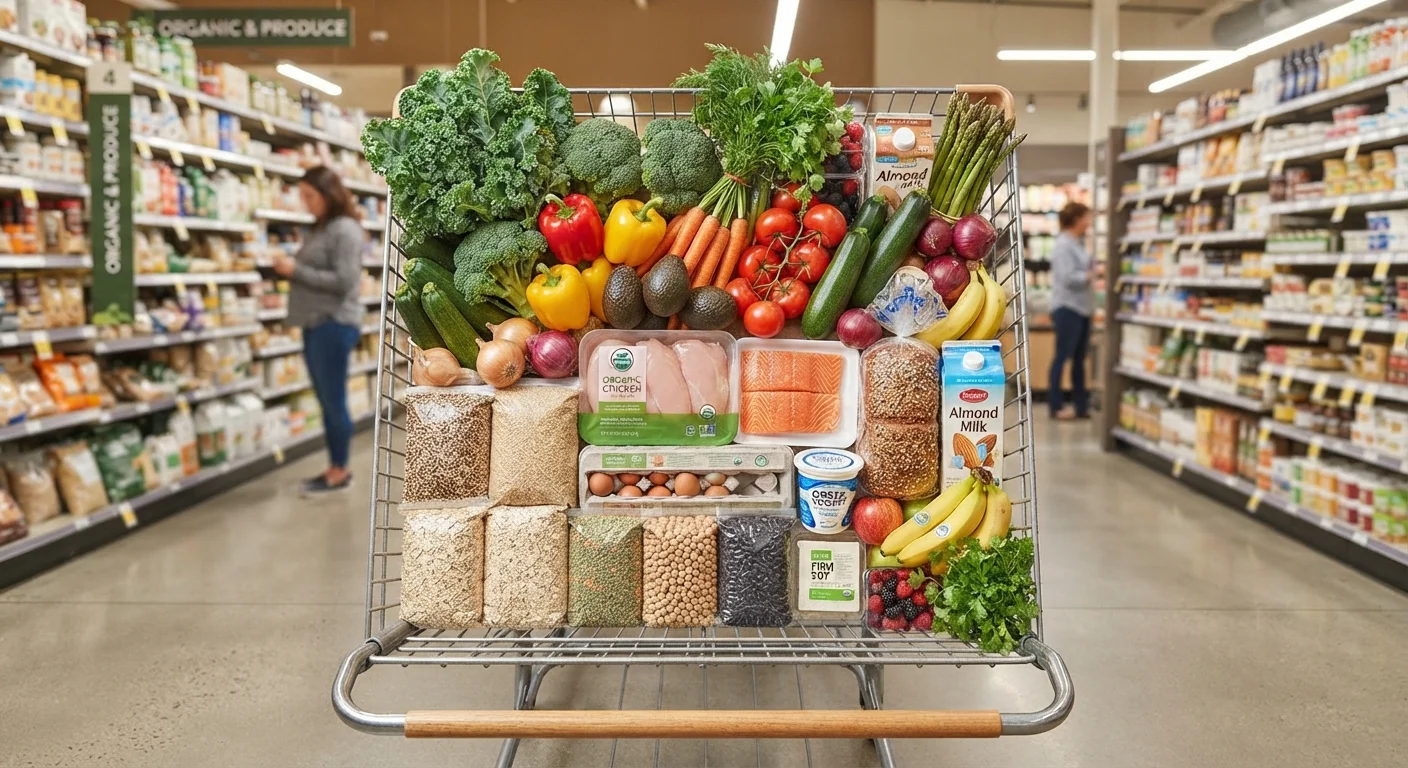
For practical help stocking these foods efficiently, Grocery Shopping with Nutrition in Mind offers a useful aisle-by-aisle framework. And if you're considering shifting more meals toward plants without a wholesale dietary overhaul, Plant-Based Eating: A Realistic Starting Point for Omnivores is a grounded starting point.
This article is for general informational and educational purposes only and is not a substitute for personalized medical or dietary advice. Consult a registered dietitian or qualified healthcare professional for guidance tailored to your individual health needs.