
Why Home Improvement Myths Are So Persistent
Home improvement advice travels fast - through neighbors, social media, and decades-old rule-of-thumb wisdom passed down informally. Much of it contains a grain of truth, which is exactly what makes it sticky. But when those partial truths harden into unexamined beliefs, they can quietly drive expensive decisions.
The myths below cover some of the most common and costly misunderstandings homeowners encounter - from how to handle mold to whether every renovation pays off at resale. Correcting these beliefs won't make every project simple, but it can help you avoid the preventable mistakes that consistently catch homeowners off guard.
Myth
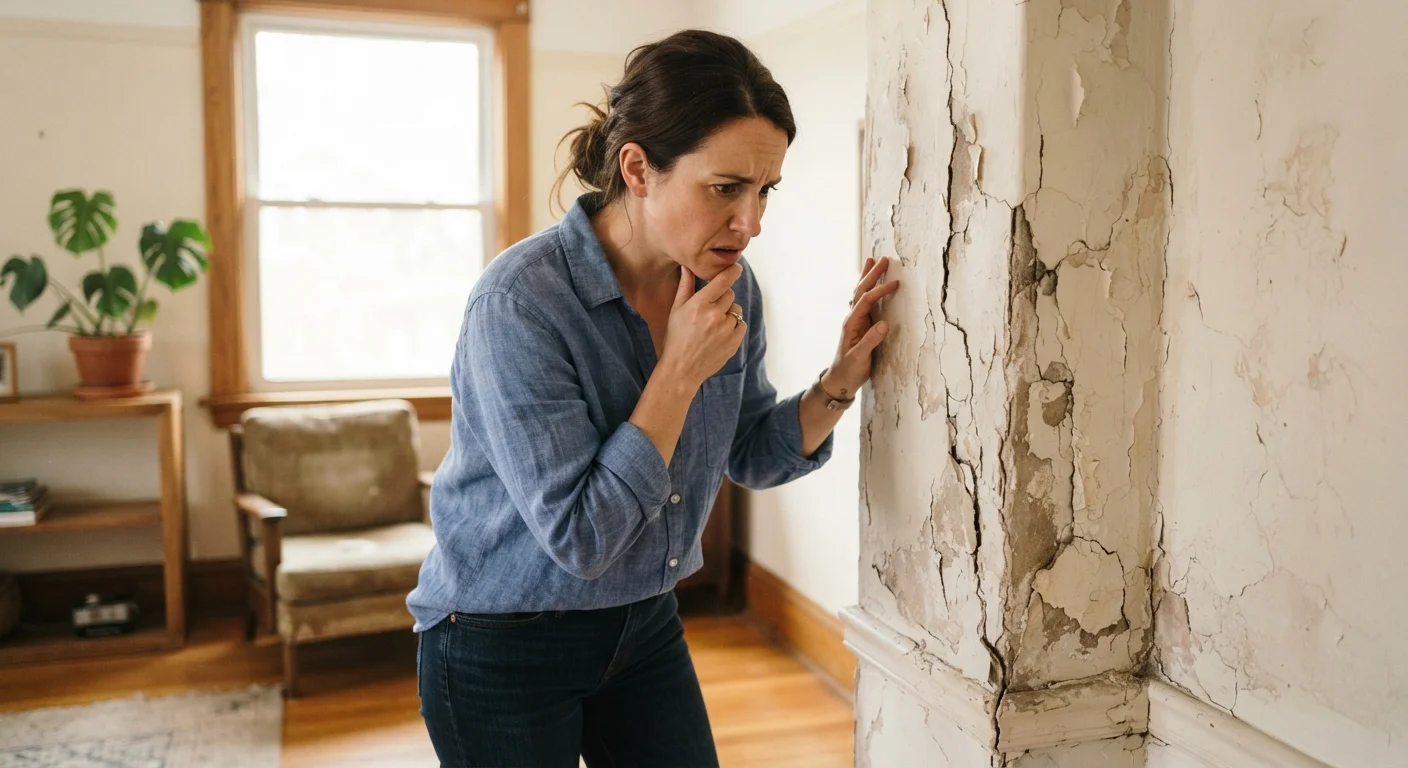
Painting over mold will take care of the problem and prevent it from spreading.
Fact
Paint conceals mold visually but does not kill it or stop its growth. The underlying moisture source and mold colony must be addressed directly.
Mold-resistant or "mold-killing" primer products can inhibit future surface growth on clean, dry surfaces - but they cannot neutralize active mold colonies. When mold is painted over, it continues to grow behind and through the coating. The result is a problem that grows larger and more expensive while remaining invisible. Remediation typically involves removing affected materials, correcting the moisture source, and treating or replacing the surface. Hidden water damage is often the root cause worth investigating first.
Myth
Every home improvement project adds value, so renovations are always a smart investment.
Fact
Many common renovations recover only a fraction of their cost at resale, and some can even make a home harder to sell.
The belief that all improvements translate into higher sale prices is widespread but misleading. Highly personalized upgrades - such as bold color schemes, luxury niche additions, or over-improvements relative to neighborhood norms - often appeal to a narrower pool of buyers. Industry data consistently shows that even popular projects like major kitchen remodels or bathroom additions frequently recoup less than their full cost. For a realistic look at where renovation dollars often underperform, see renovations that rarely recoup their cost at resale. Understanding what ROI actually means in home improvement before committing to a project is a worthwhile step.
Myth
You can skip the permit to save time and money - inspectors rarely check anyway.
Fact
Unpermitted work can result in forced removal, fines, failed home sales, and complications with insurance claims.
Permits exist to ensure work meets safety and building codes - not merely to generate municipal revenue. When unpermitted work surfaces during a home sale inspection or an insurance claim, homeowners can face costly complications: insurers may deny claims for losses tied to unapproved work, and buyers or their lenders may require the work to be inspected or redone. Some jurisdictions require sellers to disclose known unpermitted improvements. The short-term savings rarely justify the long-term exposure. Learn which projects typically require permits before starting any major work.
Myth
DIY home repairs always save money compared to hiring a professional.
Fact
DIY work saves money on some tasks but can cost significantly more when complex or regulated work goes wrong.
Straightforward tasks - painting, caulking, basic landscaping - are often well within a homeowner's reach. However, electrical, structural, plumbing-into-mains, and gas-related work involves real safety stakes and is typically regulated by local codes. A mistake in these areas can mean injury, property damage, failed inspections, or insurance issues. For example, removing a wall without confirming it is non-load-bearing can compromise structural integrity. Before any wall removal, understanding load-bearing vs. non-load-bearing walls is essential. Honest assessment of skill level and project scope protects both safety and budget.
Myth
Delaying small repairs is fine - they can always be handled later without getting worse.
Fact
Deferred maintenance typically compounds over time, turning minor issues into significantly more expensive structural or system failures.
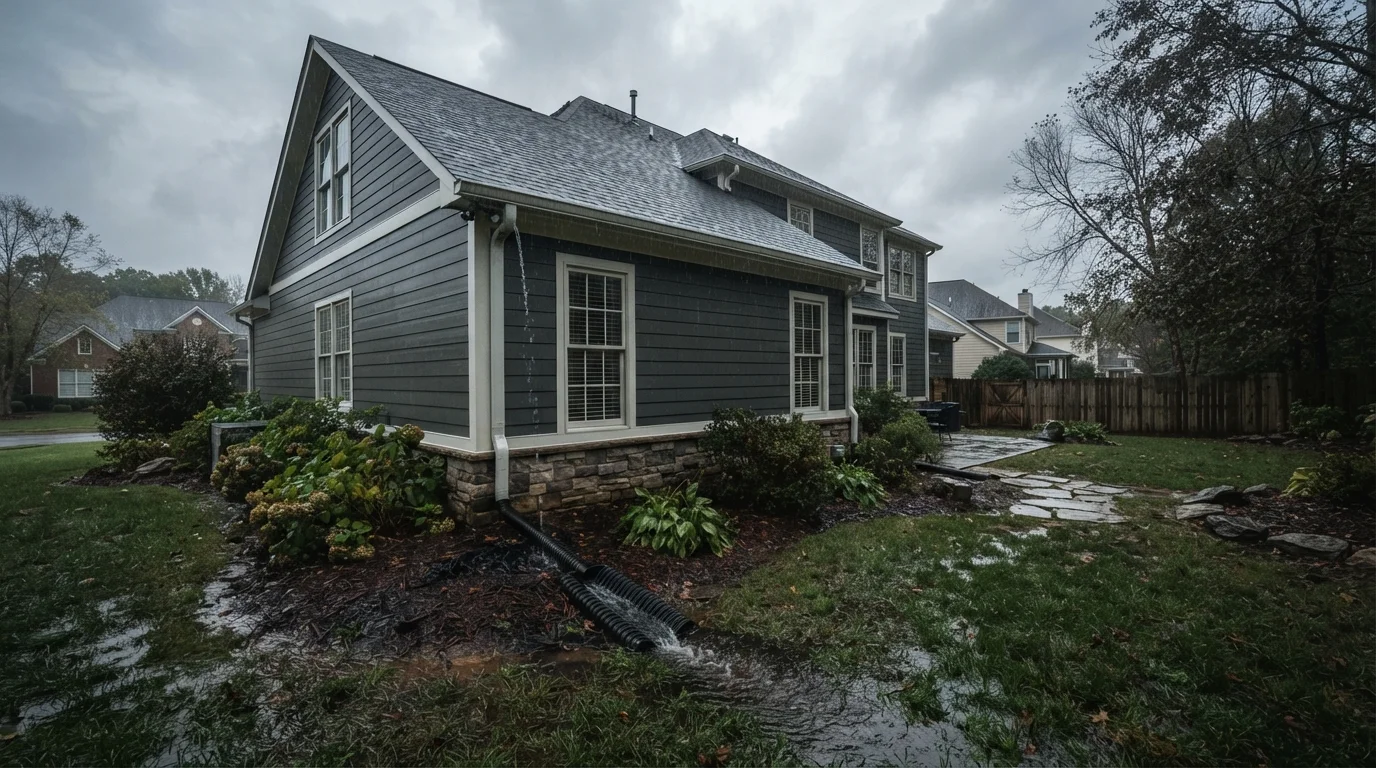
A small roof leak, a minor crack around a window seal, or a slow drain may seem manageable to address later. In practice, moisture intrusion, wood rot, pest access, and system degradation tend to accelerate once started. What might cost a few hundred dollars to fix when caught early can escalate into thousands of dollars of damage if ignored. What deferred maintenance actually costs homeowners over time illustrates how these compounding expenses accumulate - and why routine maintenance is a financial discipline as much as a practical one.
Making Smarter Home Improvement Decisions
The common thread running through these myths is a tendency to underestimate hidden complexity - whether that's mold growing behind fresh paint, code exposure from unpermitted work, or small repairs quietly compounding into large ones. Informed decision-making starts with questioning assumptions before committing to a plan.
Electrical and Gas Work Requires Licensed Professionals
DIY electrical or gas-line work that does not meet code can create fire hazards, carbon monoxide risks, and failed inspections. Most jurisdictions require this work to be performed or at minimum inspected by a licensed contractor. Even if local enforcement seems minimal, insurance policies frequently exclude coverage for losses caused by non-compliant work. When in doubt, consult a licensed professional before starting.
Before starting any significant project, it helps to understand the full picture: realistic cost recovery, permit requirements, appropriate scope for DIY versus professional work, and the real cost of delay. For project-level guidance, practices that keep home improvement projects on track offer a practical foundation. And if resale value is part of your motivation, property value myths are worth examining alongside the improvement itself.
~$13,000
Average cost of a mid-range bathroom remodel
According to Remodeling Magazine's Cost vs. Value report, mid-range bathroom remodels have historically recouped roughly 60-70% of their cost at resale on average - meaning homeowners often recover well under the full amount spent.
1 in 3
Homes estimated to have some unpermitted work
Industry professionals and real estate surveys consistently suggest a significant share of existing homes contain at least one improvement completed without required permits, which can complicate sales and insurance claims.