
The Core Difference That Drives Maintenance
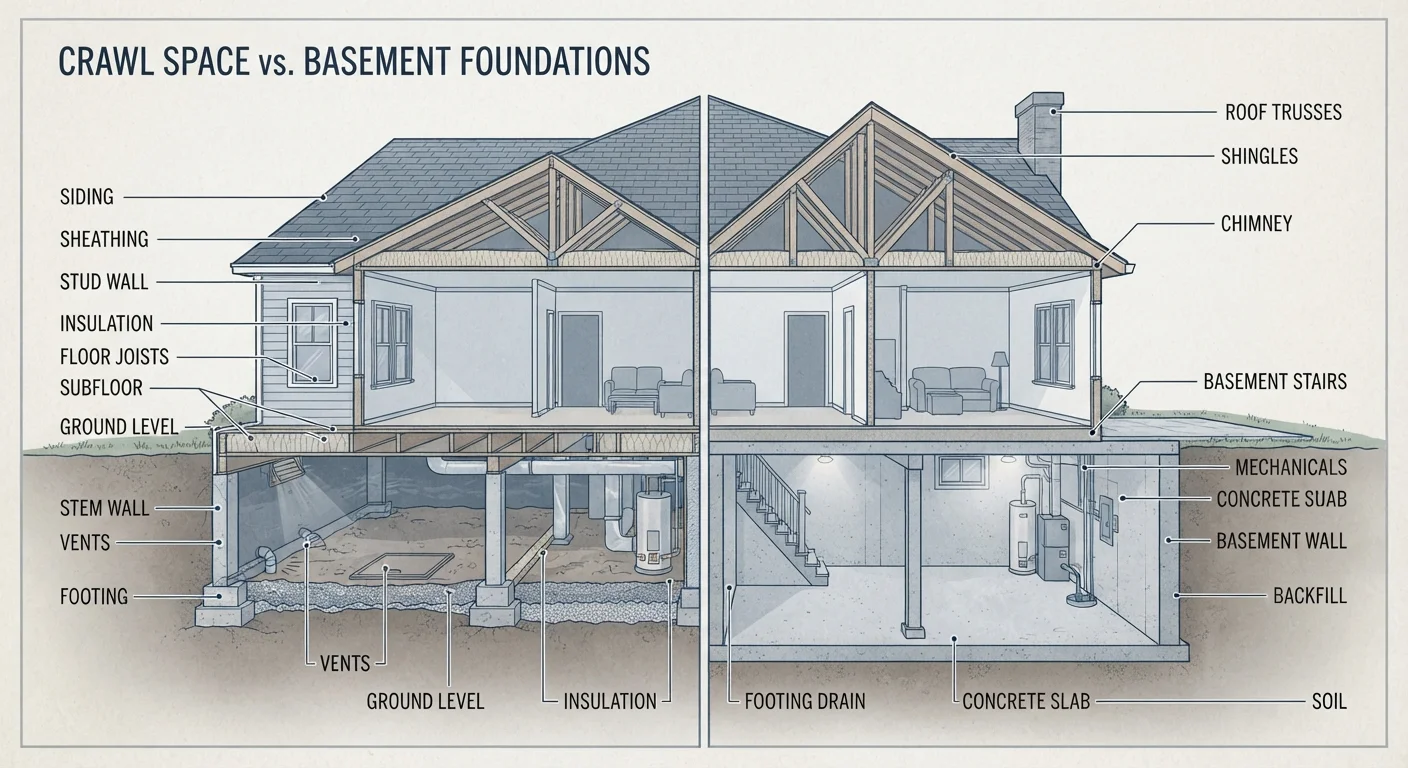
Crawl spaces typically sit 18 inches to about 4 feet below the floor joists, leaving a narrow gap between your home's underside and bare earth. Basements, by contrast, are fully excavated spaces with at least 7 feet of headroom - a genuine below-grade room. That height difference isn't just about storage convenience. It fundamentally changes how moisture, temperature, pests, and air quality interact with your home's structure.
If you're a first-time homeowner still learning the basics of what lies beneath your floors, our homeowner's introduction to maintaining a house covers the broader picture of essential systems to monitor.
| Criterion | Crawl Space | Basement |
|---|---|---|
| Typical height | 18 in. - 4 ft. | 7 ft. or more |
| Primary moisture risk | Ground vapor, soil contact | Hydrostatic wall pressure, seepage |
| Vapor barrier needed | Yes - critical | Sometimes - depends on waterproofing |
| Sump pump typical need | Less common | Common in wet climates |
| Pest vulnerability | Higher - open soil exposure | Lower - concrete walls reduce access |
| Insulation approach | Floor joists or crawl wall insulation | Rim joists, wall insulation |
| Inspection difficulty | Physically challenging - confined space | Easier - standing room available |
| Usable storage space | None to minimal | Significant |
Crawl Space Maintenance: What to Expect
The biggest ongoing challenge in a crawl space is moisture. Because the floor of a crawl space is typically exposed soil, ground moisture migrates upward through a process called vapor diffusion. Without a proper vapor barrier - a durable polyethylene sheet covering the soil - that moisture reaches your floor joists, insulation, and subfloor, creating conditions for wood rot, mold, and pest infestations.
Key Crawl Space Tasks
- Vapor barrier inspection: Check annually for tears, gaps, or displacement. A barrier that has shifted or degraded loses its effectiveness quickly.
- Ventilation or encapsulation: Older crawl spaces rely on foundation vents; newer guidance often favors full encapsulation (sealing vents and adding conditioned air). Know which system your home uses and maintain it accordingly.
- Pest checks: Rodents and insects - particularly termites - are drawn to the damp, dark environment. Inspect for droppings, gnaw marks, or mud tubes annually.
- Insulation condition: Batt insulation hung between floor joists can sag, fall, or absorb moisture. Inspect it at least once per year and replace sections that are wet or compressed.
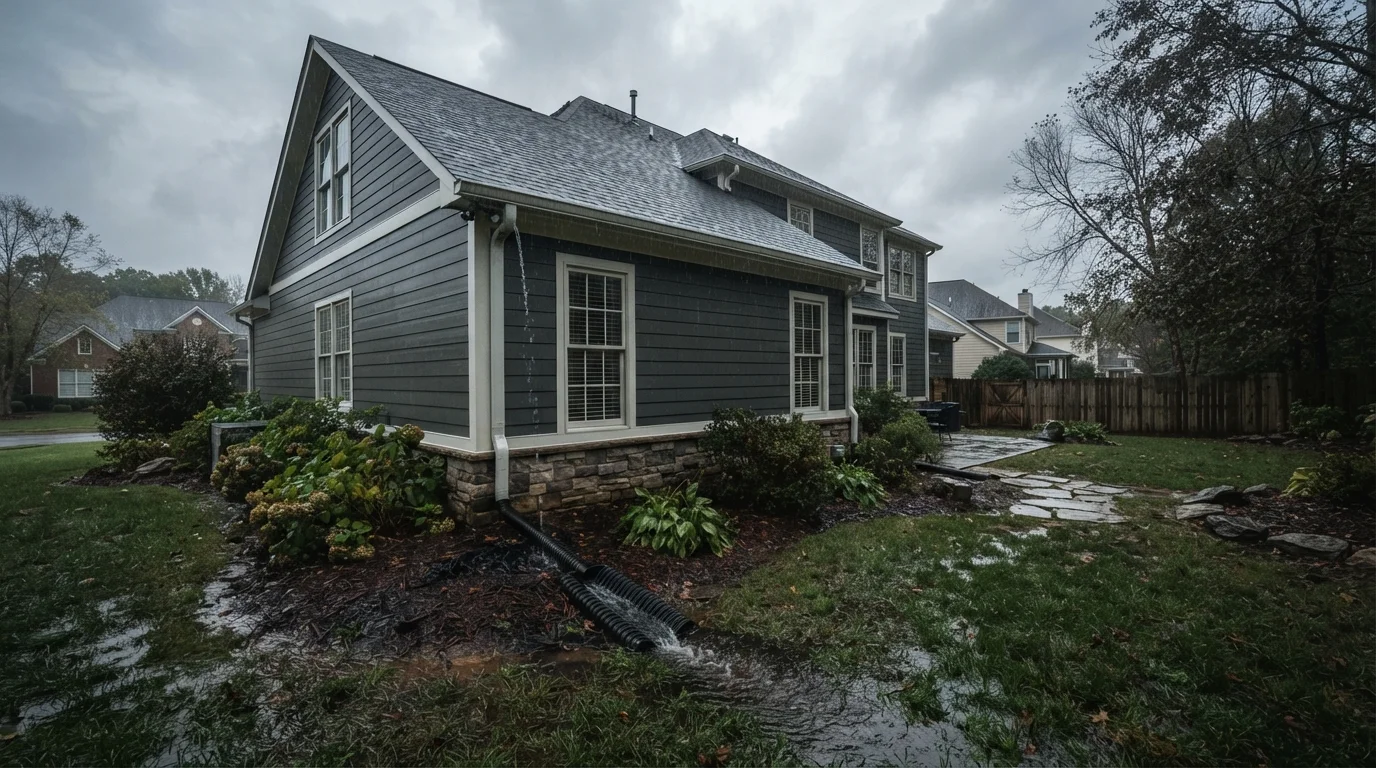
Poor drainage around your home's perimeter is one of the leading contributors to crawl space moisture problems. Understanding how gutters and downspouts affect your foundation can help you address water at its source before it reaches below-grade spaces.
~15%
U.S. homes with crawl space foundations
Crawl spaces are particularly common in the Southeast and Mid-Atlantic regions, where soil conditions make full basements impractical.
60%
Indoor air that can rise from a crawl space
Research from building science organizations suggests that a significant portion of a home's ground-floor air originates in the crawl space, making its condition directly relevant to indoor air quality.
$5,000-$15,000+
Typical cost range for basement waterproofing systems
According to general contractor estimates, interior drainage and sump systems vary widely in cost depending on basement size, water volume, and local labor rates.
Basement Maintenance: What to Expect
Basements present a different maintenance profile. Their concrete or block walls span the full depth of excavation, making them more resistant to pest intrusion - but more vulnerable to hydrostatic pressure, which is the force water exerts against walls and floors as it saturates surrounding soil. This pressure is the primary driver of basement leaks and wall cracks.
Key Basement Tasks
- Wall and floor crack monitoring: Hairline cracks in concrete are common and often harmless. Horizontal cracks in block walls, however, can signal structural stress and warrant a professional evaluation.
- Sump pump testing: If your basement has a sump pump, test it every spring by pouring water into the pit. Confirm the float activates and water is discharged away from the foundation.
- Dehumidifier management: Basements trap humid air. A dehumidifier set to maintain relative humidity below 60% helps prevent mold growth on surfaces and stored items.
- Window well maintenance: Basement windows with exterior wells collect leaves and debris that can redirect water inward. Clear them seasonally.
Just as attic moisture issues share a similar cause-and-effect logic, basement condensation follows comparable principles - understanding how moisture and ventilation interact can sharpen your instincts for both spaces.
When to Call a Professional
Horizontal wall cracks, bowing foundation walls, active water intrusion during dry weather, or widespread mold growth are all situations that go beyond routine DIY maintenance. A licensed structural engineer or waterproofing contractor can assess whether a problem is cosmetic or load-bearing. Always verify that any contractor you hire carries appropriate licensing and insurance for your state.
Shared Risks and Why Consistency Matters
Both foundation types share one critical vulnerability: neglect compounds quickly. A small vapor barrier tear or a hairline wall crack can go from manageable to expensive within a single wet season. Our article on what deferred maintenance costs homeowners over time illustrates how skipping annual inspections rarely saves money - it just delays larger bills.
Schedule a focused inspection of your crawl space or basement each spring after heavy rain and each fall before temperatures drop. Document what you find with photos so you can track any changes year over year. If you spot active water intrusion, significant mold coverage, structural cracks, or signs of serious pest activity, bring in a licensed professional rather than attempting repairs that could mask deeper problems.
This article is for general informational purposes only. For concerns about structural integrity, mold remediation, or significant water intrusion, consult a licensed contractor or structural engineer familiar with your local building codes and conditions.