

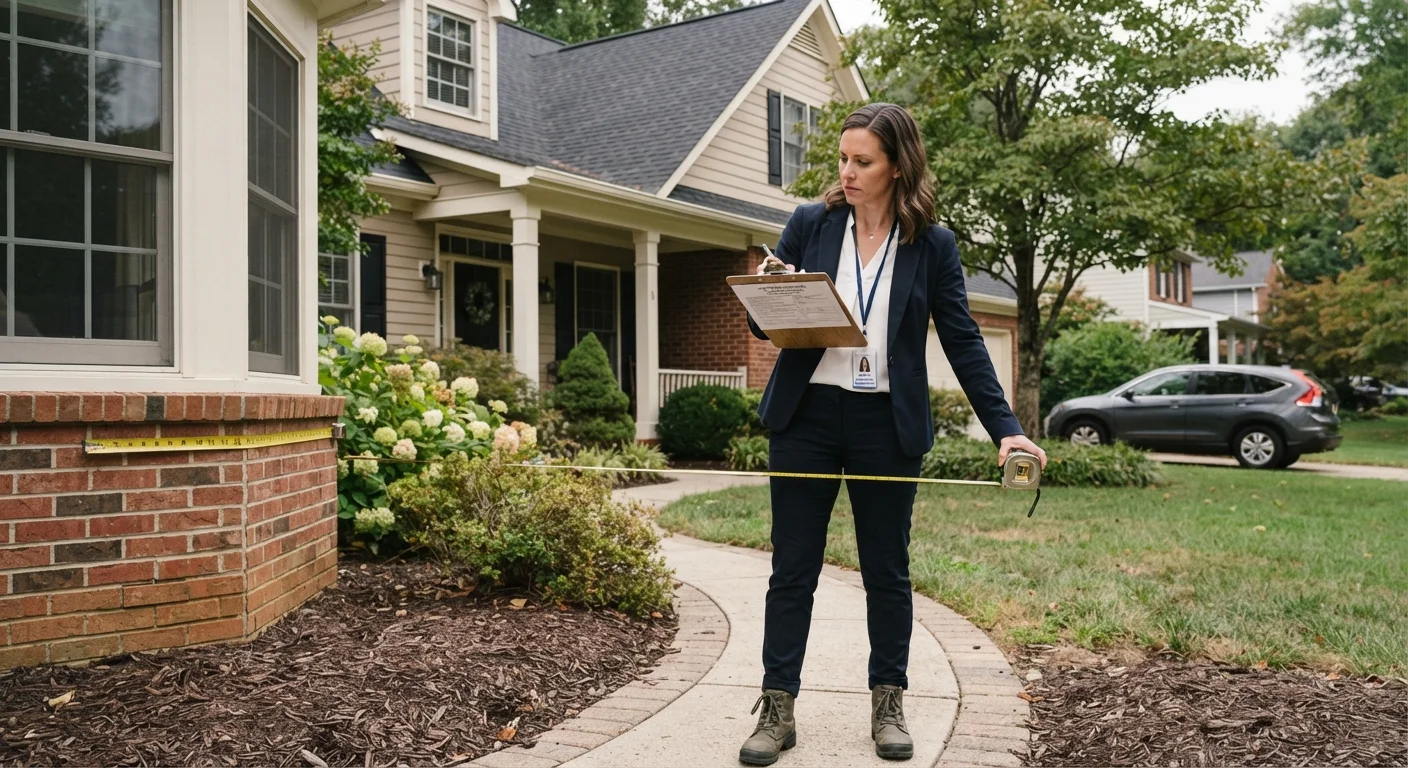
What an Appraisal Actually Measures
A home appraisal is an independent, licensed professional's opinion of a property's market value - the price a willing buyer and seller would agree on under normal market conditions. Lenders require appraisals before approving mortgages to ensure they aren't financing more than a property is worth. Understanding how appraisers reach their conclusions helps both buyers and sellers set realistic expectations.
Appraisers are state-licensed and follow guidelines established by the USPAP, which sets ethical and performance standards for the profession. Their conclusions are documented in a formal report - most commonly the Uniform Residential Appraisal Report for single-family homes.
| Appraiser licensing | Required in all 50 US states (Appraisal Foundation, ongoing) |
| Standard report form | Uniform Residential Appraisal Report (URAR) (Fannie Mae Form 1004) |
| Typical comp window | Sales within the past 6 months (Common USPAP-aligned practice) |
| Primary valuation method | Sales comparison approach (Standard for single-family residential) |
| Typical appraisal cost | $300-$500 for a standard single-family home (Industry range; varies by region and property complexity) |
The Core Factors Appraisers Evaluate
Appraisers consider a wide range of property characteristics, which can be grouped into three broad categories: physical attributes, location, and market conditions.
Physical Attributes
- Gross living area (GLA): The finished, above-grade square footage is one of the most heavily weighted factors. Unfinished basements typically count separately at a lower per-square-foot rate.
- Bedroom and bathroom count: More rooms generally support higher values, but appraisers also evaluate whether room counts are proportionate to the home's overall size.
- Age and condition: A newly built home or one with a recent renovation will typically carry a condition adjustment over an older, unupdated comparable.
- Lot size and usability: A larger lot adds value, but the shape, topography, and whether the land is buildable all influence how much weight it receives.
- Upgrades and amenities: Kitchen and bath renovations, finished basements, decks, pools, and garage spaces are assessed, though their contribution varies by market.
Location and Neighborhood
Location factors are among the most powerful drivers of value. Appraisers examine proximity to employment centers, quality of local schools, access to transit, and neighborhood condition. See our guide to evaluating a neighborhood for a deeper look at the factors that shape long-term desirability. Appraisers also review broader neighborhood-level trends - such as local investment patterns and school ratings - that ripple into individual valuations.
Market Conditions
The state of the local housing market at the time of the appraisal matters. In a rapidly appreciating market, recent sales may already understate current values, and appraisers may apply a time adjustment. In a declining market, the reverse can apply.
~3-5%
Typical value added per additional bathroom
Adjustment amounts vary by market; appraisers use paired sales analysis to estimate the local contribution of individual features.
6 months
Preferred recency of comparable sales
Most lenders and appraisers prefer comps sold within six months to reflect current market conditions accurately.
The Sales Comparison Approach Explained
For most residential properties, appraisers rely primarily on the sales comparison approach. They identify recently sold properties - called comparables or comps - that are similar in size, condition, location, and features to the subject property. Ideally, comps sold within the past six months and are located within a mile or so, though appraisers adjust these parameters in rural or lower-turnover markets.
Once comps are selected, the appraiser makes line-item adjustments to account for differences. If the subject home has an extra bathroom that a comparable lacks, the appraiser adds the market-supported value of that bathroom to the comp's sale price. If the subject lacks a garage that a comp has, a deduction is applied. These adjustments narrow in on what the subject property would likely have sold for.
Comparable (comp)
A recently sold property used as a benchmark for estimating the subject property's value. Comps should closely match the subject in size, location, condition, and features.
Gross living area (GLA)
The total finished, above-grade living space in a home, measured in square feet. It excludes garages, unfinished basements, and below-grade areas.
Sales comparison approach
The primary appraisal method for residential homes, which estimates value by adjusting the sale prices of comparable properties to reflect differences from the subject.
USPAP
The Uniform Standards of Professional Appraisal Practice - the ethical and procedural guidelines that all licensed US appraisers must follow.
Adjustment
A dollar amount added to or subtracted from a comparable's sale price to account for a difference between the comp and the subject property.
The cost approach - estimating what it would cost to rebuild the structure, minus depreciation, plus land value - is used more commonly for unique or new properties. The income approach applies primarily to investment properties generating rental income.
What Appraisers Cannot and Do Not Consider
It's equally important to understand the boundaries of an appraisal. Appraisers are prohibited from considering factors like the race, religion, or national origin of a neighborhood's residents - a legal requirement rooted in fair housing law. They also do not factor in a seller's asking price or the purchase contract price when forming their independent opinion, though they are typically aware of it.
Personal property - furniture, appliances not built into the home, or decorative items - is generally excluded from the real estate value unless negotiated as part of the sale. Sentimental value a homeowner places on a property has no bearing on the appraised figure.
You Can Dispute an Appraisal
If you believe an appraisal contains factual errors - such as incorrect square footage or missing comparable sales - you have the right to request a reconsideration of value (ROV). Provide documented evidence, such as corrected records or additional comps, to support your case. Lenders are required to have a process for handling ROV requests under federal guidelines.
If you're curious about how an appraisal compares to the automated estimates you may see online, our article on the difference between a Zestimate and a professional appraisal walks through the methodology and accuracy gaps between the two.
This article is for general informational purposes only and does not constitute financial, legal, or real estate advice. Consult a licensed real estate professional or appraiser for guidance specific to your situation.