
How Sellers Set the Listing Price
A listing price is not a random number - it reflects a seller's interpretation of current market data, property condition, and strategic goals. Most sellers work with an agent to conduct a Comparative Market Analysis (CMA), which examines recent sale prices of similar homes in the same area. These comparable sales, commonly called comps, anchor the pricing conversation in real transaction data rather than wishful thinking.
Key factors that shape the initial list price include square footage, lot size, age and condition of the home, number of bedrooms and bathrooms, and location-specific amenities. Sellers also factor in broader market conditions - in a seller's market, pricing at or slightly above comp values is common; in a buyer's market, competitive pricing is usually essential to attract offers. Learn more about how conditions influence value in our guide to seller's and buyer's markets.
Price your home based on closed sales from the past 90 days, not active listings. Active listings are asking prices - closed sales are what buyers actually paid.
Using closed transaction data removes the noise of aspirational pricing and grounds your strategy in verified market behavior, reducing the risk of prolonged market time.
If you receive an offer quickly, don't automatically assume you priced too low. In strong markets, accurate pricing often generates multiple offers, which can drive the final sale price above asking.
Multiple-offer situations are a sign of good market calibration, not underpricing. Sellers who reprice upward after early interest often lose momentum and end up selling for less.
How the Market Tests That Price
Once listed, the property enters a live market test. Days on market (DOM) is one of the most telling signals of whether a price is well-calibrated. Homes that attract multiple showings and offers within the first one to two weeks are typically priced at or near market value. A listing that sits for 30 or more days without meaningful activity usually signals that the price needs adjustment.
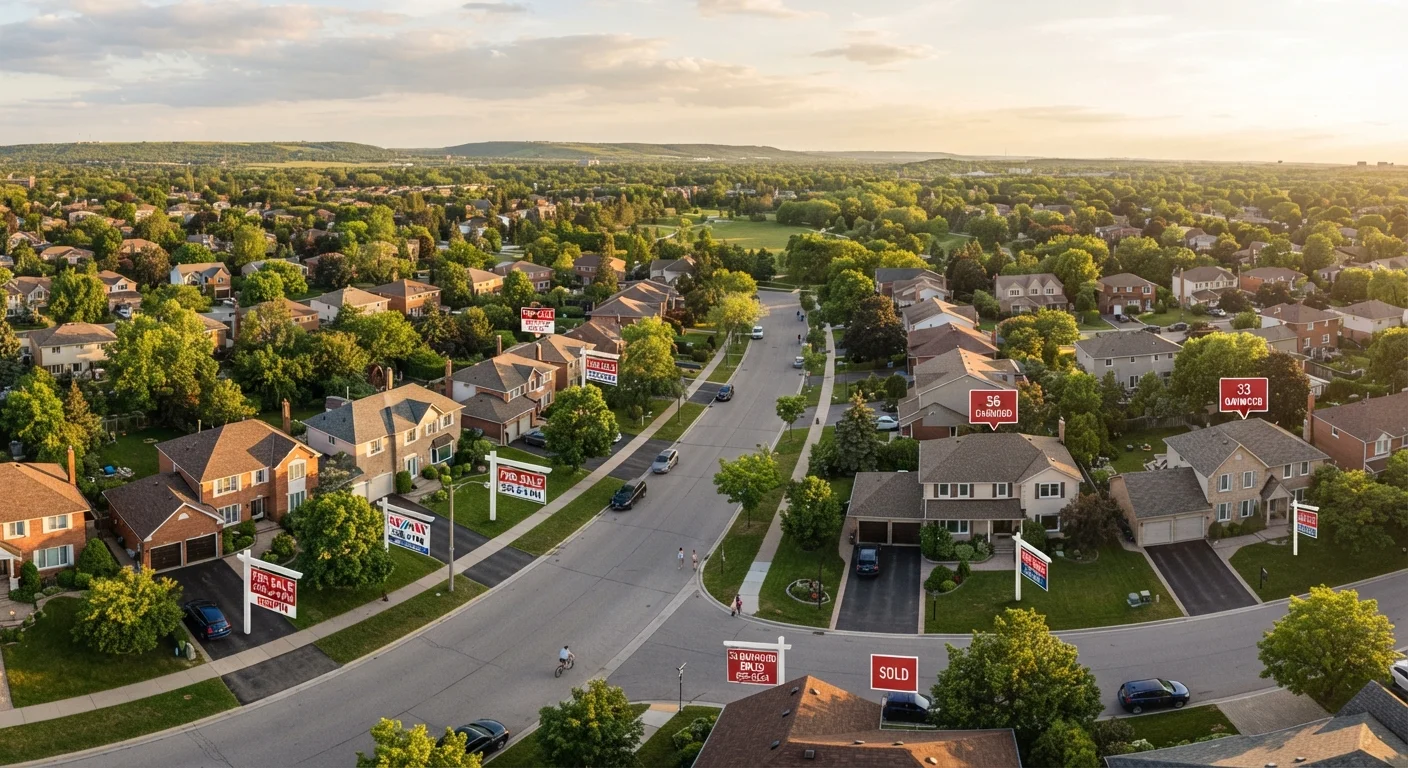
Buyer behavior also reflects local economic conditions, interest rate environments, and neighborhood-specific trends. Neighborhood-level dynamics - such as school quality, recent development, and local employment growth - can push individual home values well above or below what raw square footage alone would suggest.
18 days
Median days on market for US homes
According to the National Association of Realtors, the median time a home spent on the market in recent years has been under three weeks in many active regions.
2%-5%
Typical buyer closing costs as share of loan
The Consumer Financial Protection Bureau (CFPB) estimates buyer closing costs generally fall between 2% and 5% of the total loan amount, varying by state and transaction type.
Open houses and online listing metrics (views, saves, inquiries) provide sellers with real-time feedback. Consistently high traffic but no offers often points to price acceptance issues or condition concerns that buyers are silently communicating.
The Appraisal: An Independent Check on Value
When a buyer finances a purchase with a mortgage, the lender requires an independent appraisal before approving the loan. A licensed appraiser inspects the property and produces a formal opinion of value, again using comparable sales, condition assessments, and market trends.
If the appraised value comes in below the agreed purchase price - known as a low appraisal - the lender will only finance up to the appraised amount. This creates a gap the buyer must cover out of pocket, or negotiations must reopen. Buyers can request a reconsideration of value if they believe the appraiser missed relevant comps, but this process has no guaranteed outcome.
A Low Appraisal Can Derail a Closed Deal
If a home appraises below the purchase price, the lender will not finance the full agreed amount. Buyers without sufficient cash reserves to cover the gap may be unable to complete the purchase. Sellers should be aware that an inflated list price - even if a buyer agrees to it - may not survive the appraisal process. Building appraisal flexibility into contract negotiations reduces the risk of last-minute deal collapse.
For buyers and sellers alike, understanding that the appraiser works independently of both parties - and is bound by professional standards - helps set realistic expectations going into contract.
Negotiation and Contract Contingencies
After an offer is accepted, the signed purchase contract typically includes contingencies - conditions that must be met for the sale to proceed. The three most common are the financing contingency (the buyer secures a mortgage), the inspection contingency (the home passes a professional inspection), and the appraisal contingency (the home appraises at or above the purchase price).
Inspection results often trigger a second round of negotiation. Buyers may request repairs, a price reduction, or a seller credit at closing to cover issues uncovered during the inspection period. In highly competitive markets, some buyers waive contingencies to strengthen their offers - a tactic that carries significant financial risk and should be discussed carefully with a real estate professional.
Waiving Contingencies Carries Real Risk
Removing inspection or appraisal contingencies can make an offer more attractive in a competitive market, but it also removes key legal protections. A buyer who waives the inspection contingency and later discovers major structural issues has limited recourse. Before waiving any contingency, consult with a licensed real estate attorney to fully understand what you are giving up.
See our full walkthrough of the home buying process from offer to closing for a stage-by-stage breakdown of what each step involves.
From Contract to Closing Table
Once contingencies are resolved, the transaction moves through a final preparation phase. Title companies or real estate attorneys conduct a title search to confirm the seller has clear legal ownership and that no liens or encumbrances will transfer to the buyer. Title insurance is typically purchased at this stage to protect both the lender and buyer from future ownership disputes.
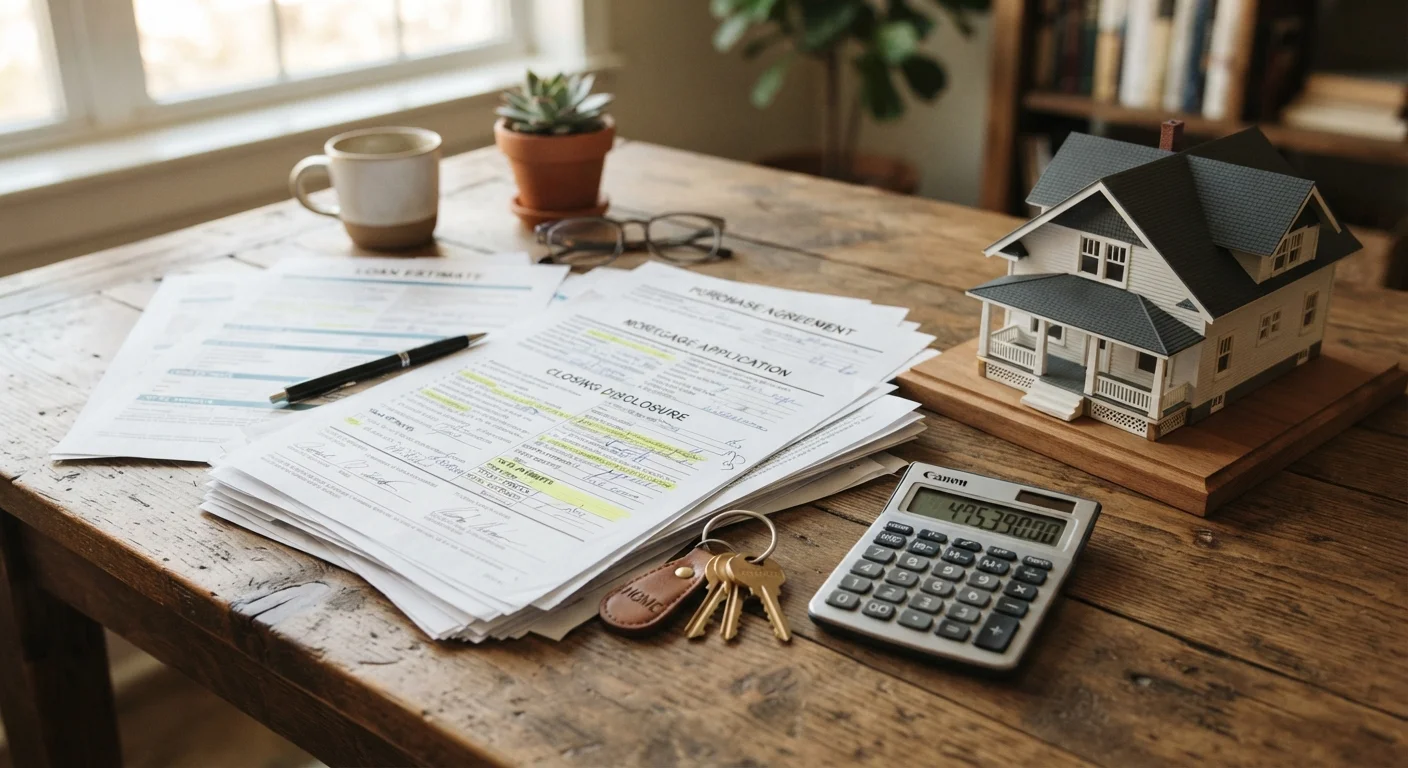
The closing disclosure - delivered to buyers at least three business days before closing - itemizes every cost associated with the transaction. Buyers should review this document carefully and compare it against the Loan Estimate received at the start of the process. Unexpected fees or discrepancies should be raised before the closing date.
Closing costs for buyers typically range from 2% to 5% of the loan amount and include lender fees, title charges, prepaid taxes, and homeowners insurance. Our guide on costs beyond the purchase price covers these expenses in detail so buyers aren't caught off guard at the table.
This article is for general informational and educational purposes only and does not constitute legal, financial, or real estate advice. Consult a licensed real estate professional, attorney, or financial adviser for guidance specific to your situation.