

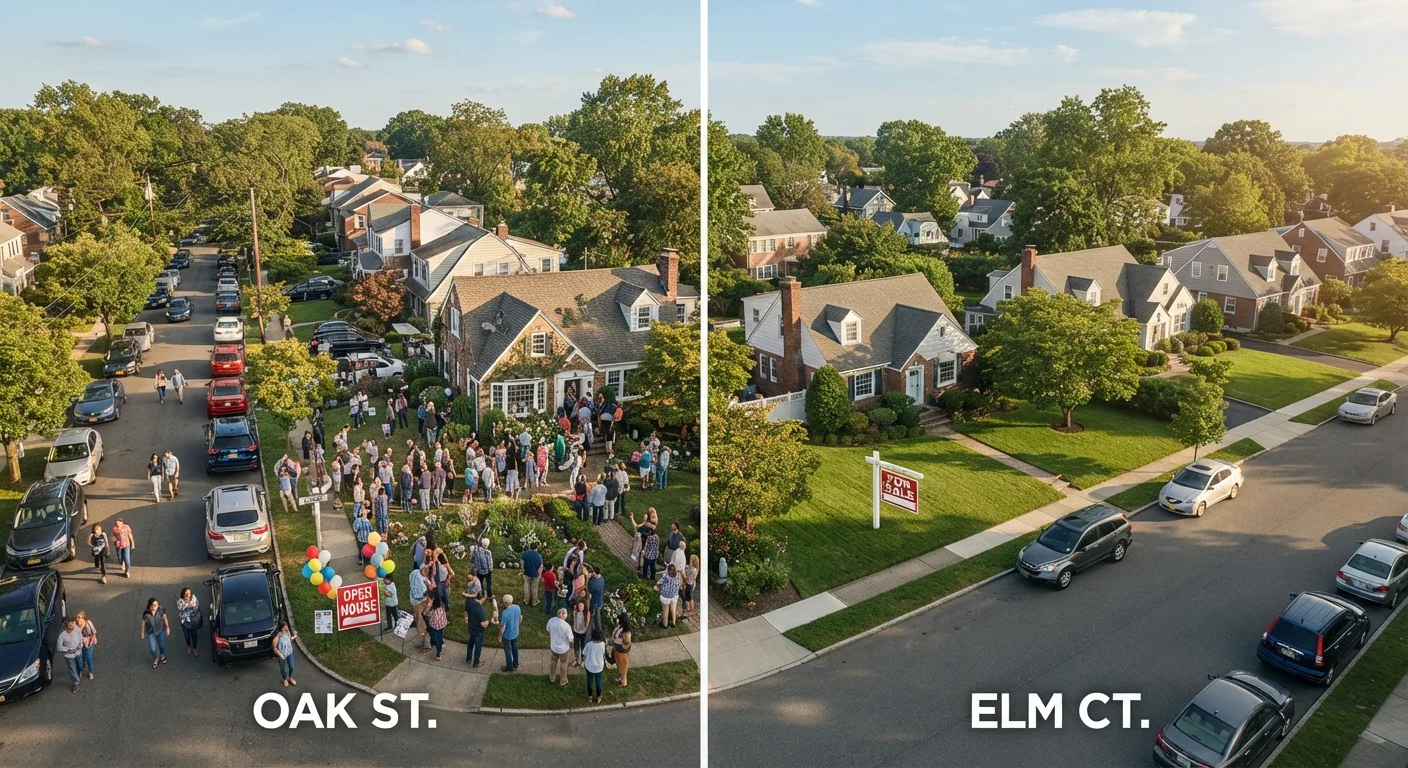
What Defines Each Market Type
Real estate markets shift constantly in response to economic conditions, interest rates, local employment, and housing stock. At any given time, a market tilts toward one of two states - a seller's market or a buyer's market - each with distinct consequences for property prices.
A seller's market exists when the number of buyers actively seeking homes exceeds the available supply of listings. Inventory is tight, homes sell quickly, and sellers routinely receive multiple offers. This competitive pressure drives prices upward, often past the original asking price.
A buyer's market is the inverse: more homes are listed than there are buyers ready to purchase. Properties linger on the market, and sellers must compete for attention. Buyers gain the leverage to negotiate on price, repairs, closing costs, and contingencies.
Understanding how market dynamics play out from listing to closing helps both parties know when they hold an advantage - and when they don't.
| Criterion | Seller's Market | Buyer's Market |
|---|---|---|
| Inventory level | Low - fewer homes available | High - more homes than buyers |
| Days on market | Short (often days) | Extended (weeks or months) |
| Offer dynamics | Multiple competing offers common | Single offers; room to negotiate |
| Sale price vs. list price | Often above asking | Often at or below asking |
| Contingencies | Frequently waived by buyers | Accepted or required by buyers |
| Seller concessions | Rare | Common (repairs, closing costs) |
| Negotiating leverage | Seller holds power | Buyer holds power |
How Each Market Reshapes Property Prices
Market type is one of the most powerful forces shaping what a home actually sells for - sometimes more influential than the property's physical condition or features.
In a seller's market, the list price often becomes a floor rather than a ceiling. Bidding wars can push final sale prices significantly above appraised value, which sometimes creates appraisal gaps that buyers must cover out of pocket. Sellers may also reject contingencies, shorten inspection windows, or require post-closing occupancy periods - all of which shift risk onto the buyer.
In a buyer's market, the dynamic reverses. List prices are frequently negotiated downward, and sellers may offer concessions such as covering closing costs, completing repairs, or reducing the purchase price after inspection. Days on market (DOM) stretch longer, giving buyers time to conduct thorough due diligence.
3 months
Inventory threshold for a seller's market
Industry practitioners generally consider fewer than three months of housing supply a reliable indicator of seller's-market conditions.
6+ months
Inventory level signaling a buyer's market
When available supply would take six or more months to clear at current sales pace, buyers typically gain meaningful negotiating leverage.
~100%+
List-to-sale ratio in hot seller's markets
In competitive seller's markets, homes frequently sell at or above their original list price, reflecting intense buyer competition for limited inventory.
It's worth noting that even in a strong national seller's market, individual properties can underperform. A home's value can still decline even when broader prices are rising due to property-specific issues or hyperlocal dynamics.
How to Identify Which Market You're In
Several measurable indicators help distinguish a seller's market from a buyer's market. No single metric tells the complete story, but together they paint a clear picture.
- Months of inventory: This figure represents how long it would take to sell all current listings at the current pace of sales. Fewer than three months typically signals a seller's market; more than six months suggests a buyer's market.
- List-to-sale price ratio: When homes routinely sell above asking price, sellers dominate. When sale prices fall consistently below list price, buyers hold leverage.
- Days on market (DOM): A falling DOM indicates rising demand. A rising DOM signals cooling interest.
- Offer volume: Multiple offers on a single property within the first few days of listing is a hallmark of seller's-market conditions.
Critically, national averages rarely reflect your specific zip code. Neighborhood-level trends can diverge sharply from regional data, so researching comparable sales (comps) at the street or district level is essential.
Local Markets Can Contradict National Headlines
A national report may declare a seller's market while your target neighborhood sits in a buyer's-market pocket due to new construction, job losses, or demographic shifts. Always anchor your analysis in local comparable sales data from the past 90 days rather than broad regional averages. A licensed real estate professional with hyperlocal expertise can help interpret what the numbers mean for a specific street or subdivision.
Strategy Adjustments for Buyers and Sellers
Recognizing the market type should directly inform how you approach a transaction - whether you're listing or making an offer.
In a Seller's Market
Buyers should move decisively, secure mortgage pre-approval before searching, and work with a knowledgeable buyer's agent who understands competitive offer strategies. Escalation clauses, larger earnest money deposits, and flexible closing timelines can strengthen an offer without necessarily increasing the purchase price.
Sellers benefit from pricing strategically - sometimes slightly below market to generate multiple competing offers - and from timing their listing to coincide with peak seasonal demand.
In a Buyer's Market
Buyers should take their time, request full inspections, and negotiate methodically. First-time buyers especially benefit from the breathing room a buyer's market provides to evaluate options without pressure.
Sellers need to price realistically from the start - overpricing in a buyer's market leads to stale listings, which further erodes perceived value. Investing in presentation and curb appeal becomes more important when buyers have ample alternatives. Note also that two comparable homes on the same street can sell for very different prices depending on condition and presentation, regardless of market type.