
What Each Filter Actually Does
Most drivers know their car has an air filter - but many don't realize there are two, doing entirely separate jobs. Understanding the difference removes a common source of confusion and helps you make smarter maintenance decisions.
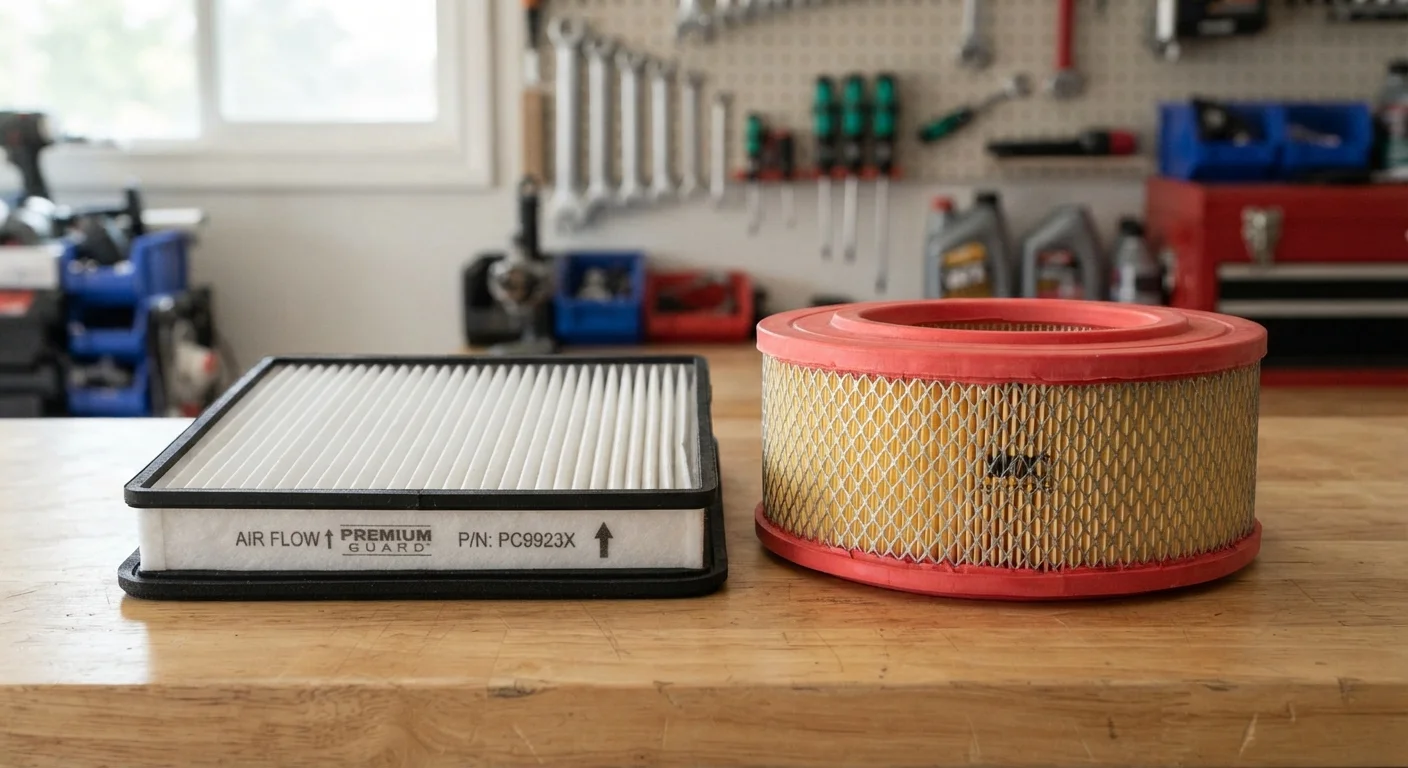
The engine air filter sits between the outside air and your engine's intake system. Its job is to trap dirt, dust, insects, and debris before they can enter the combustion chamber. Engines need a precise mixture of clean air and fuel to run efficiently. A clogged filter restricts that airflow, forcing the engine to compensate - which typically results in reduced fuel economy, sluggish acceleration, and in severe cases, engine wear over time.
The cabin air filter is located in the HVAC (heating, ventilation, and air conditioning) system - usually behind the glove box or under the dashboard. It filters the air that flows through your vents into the passenger compartment. It catches pollen, fine dust, exhaust particles, and even some mold spores before they reach you and your passengers. A dirty cabin filter won't damage your engine, but it can reduce airflow from your vents and noticeably degrade interior air quality.
Think of it this way: the engine filter protects your car; the cabin filter protects you. New drivers getting a handle on maintenance often find this distinction is one of the first things worth locking in.
| Criterion | Cabin Air Filter | Engine Air Filter |
|---|---|---|
| Primary function | Filters air entering passenger cabin | Filters air entering the engine |
| Location | Behind glove box or under dash | Engine airbox, under the hood |
| Typical replacement interval | 12,000-15,000 miles | 15,000-30,000 miles |
| Consequence of neglect | Poor interior air quality, reduced vent airflow | Reduced fuel economy, engine strain |
| Who it protects | Driver and passengers | The engine |
| DIY difficulty (typical) | Low to moderate | Low to moderate |
Replacement Schedules and Warning Signs
Neither filter lasts forever, and neither fails suddenly - they degrade gradually, which makes it easy to overlook them.
Up to 10%
Potential fuel economy loss from a clogged engine filter
The U.S. Department of Energy has noted that a dirty air filter can reduce fuel economy on older carbureted vehicles; on modern fuel-injected engines, performance impact is more common than MPG loss, though the engine works less efficiently.
12,000-15,000 mi
Typical cabin air filter replacement interval
Most vehicle manufacturers recommend this interval as a baseline, though dusty or high-pollution driving conditions can shorten it considerably.
Engine air filter: Most manufacturers recommend replacement every 15,000 to 30,000 miles, though this varies by vehicle and driving environment. Dusty roads, construction zones, and unpaved surfaces accelerate clogging significantly. Signs your engine filter may be due include a drop in fuel efficiency, a check engine light (in some vehicles), or noticeably sluggish throttle response.
Cabin air filter: The typical replacement interval is every 12,000 to 15,000 miles, or roughly once a year for average drivers. Indicators include reduced airflow from the vents even at high fan settings, musty or stale smells when the HVAC runs, or increased dust accumulation on interior surfaces. Allergy sufferers often notice symptoms worsening in the car before any other sign appears.
Always check your vehicle's owner's manual for the manufacturer's specific recommendations - they vary more than most drivers expect. If you drive in particularly polluted or dusty conditions, treat both intervals as a starting point rather than a firm rule. Neglecting either filter is the kind of deferred maintenance that quietly compounds - as covered in our article on why skipping routine maintenance leads to bigger repair bills.
Cabin vs. Home HVAC Filters: A Useful Parallel
If you're familiar with changing the filter in your home's HVAC system, the concept translates directly to your car's cabin air filter - same principle, different scale. The key difference is that your car's cabin filter is exposed to a wider range of outdoor air conditions in a more compact system. For a deeper look at how filtration works in home systems, see our overview of HVAC filters, coils, and airflow for homeowners.
DIY or Leave It to a Mechanic?
Both filters are among the more accessible maintenance items on most vehicles, but the difficulty varies by make and model.
The cabin air filter is often the easier of the two. On many vehicles it's accessible by opening the glove box and releasing a few clips - no tools required. Some models route it under the dashboard or through the engine compartment, which can be trickier. Check your owner's manual for the exact location before starting.
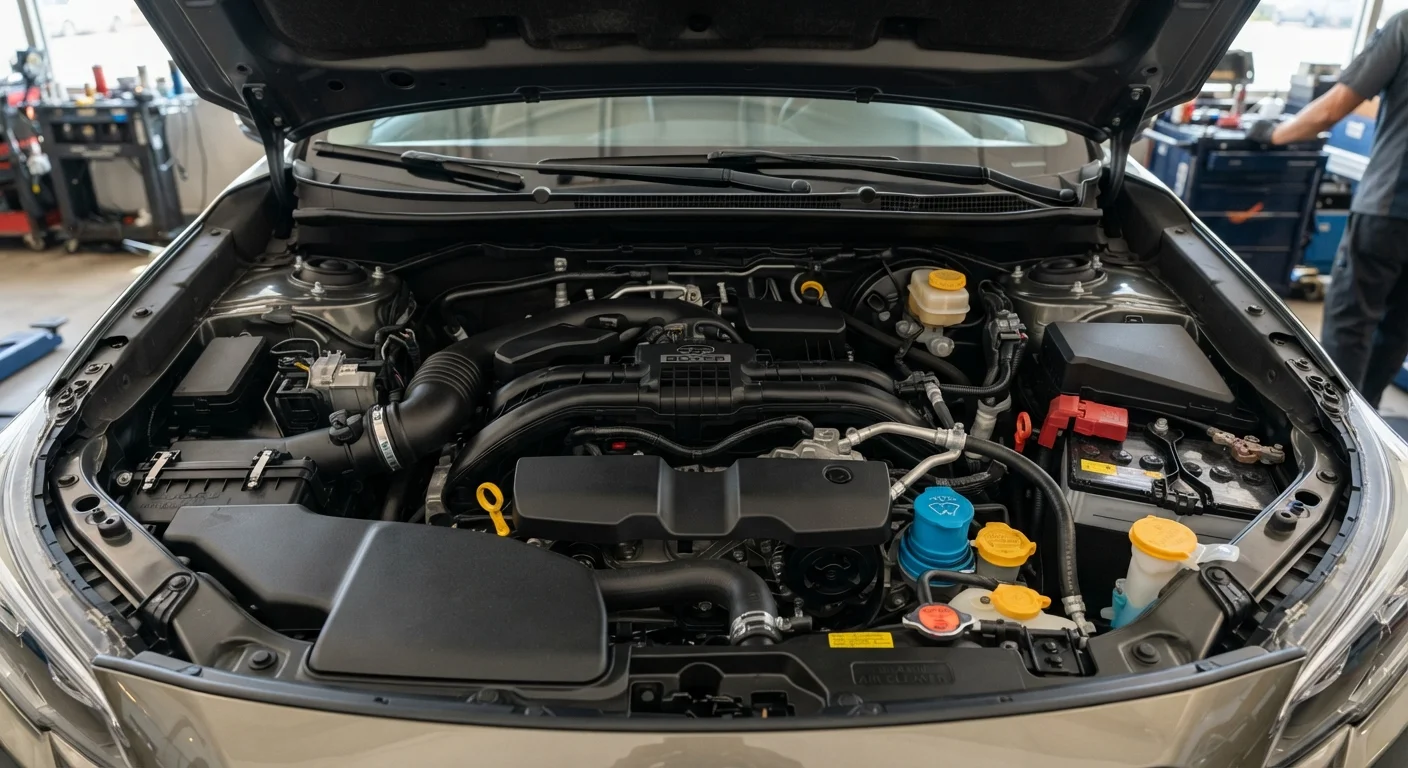
The engine air filter typically requires opening the hood and locating the airbox - a plastic housing connected to the intake. On most modern vehicles, the housing opens with clips or a few screws. It's a straightforward swap, but if your vehicle has a turbocharged engine or a more complex intake layout, the access may be more involved.
If you're comfortable with basic maintenance, both replacements are reasonable DIY tasks. If you'd rather not risk making an error - particularly with the engine air filter - having a qualified mechanic inspect and replace it during a routine service visit is a sound choice. Either way, knowing these filters exist and what they do puts you in a better position to ask the right questions.