
Why Maintenance Matters More Than Most New Drivers Realize
A car is one of the more mechanically complex things most people rely on daily - and also one of the most neglected. New drivers often assume that if the car starts and drives without obvious problems, everything is fine. In reality, most mechanical failures build gradually from small, unaddressed issues.
The good news: you don't need to become a mechanic to stay ahead of problems. You need a basic understanding of what matters, what to watch, and when to ask for help. That's what this guide covers. For a deeper look at what your specific vehicle needs and when, your owner's manual is the single most reliable resource available - and most drivers never use it properly.
Your Owner's Manual Has the Real Answers
Generic maintenance advice - like 'change your oil every 3,000 miles' - is often outdated or simply wrong for your specific vehicle. Your owner's manual lists exact service intervals engineered for your car. It takes about five minutes to find the maintenance schedule section, and it will save you from both over-servicing and under-servicing.
The Core Systems Every Driver Should Know
You don't need to understand every component in your car, but being familiar with its major systems helps you recognize when something's off.
Engine oil
A lubricant that reduces friction between moving metal parts inside the engine. Without sufficient clean oil, engine components wear rapidly and can seize.
Coolant
A fluid (also called antifreeze) that circulates through the engine to regulate its temperature and prevent overheating or freezing in extreme weather.
Brake pads
Friction material that presses against the brake rotors to slow the car. They wear down over time and must be replaced before they damage the rotor.
Tire tread
The grooved surface on a tire that channels water away and provides grip on the road. As tread wears down, stopping distances increase - especially in wet conditions.
Service interval
A scheduled time or mileage point at which a specific maintenance task is due, as defined by the vehicle manufacturer.
Serpentine belt
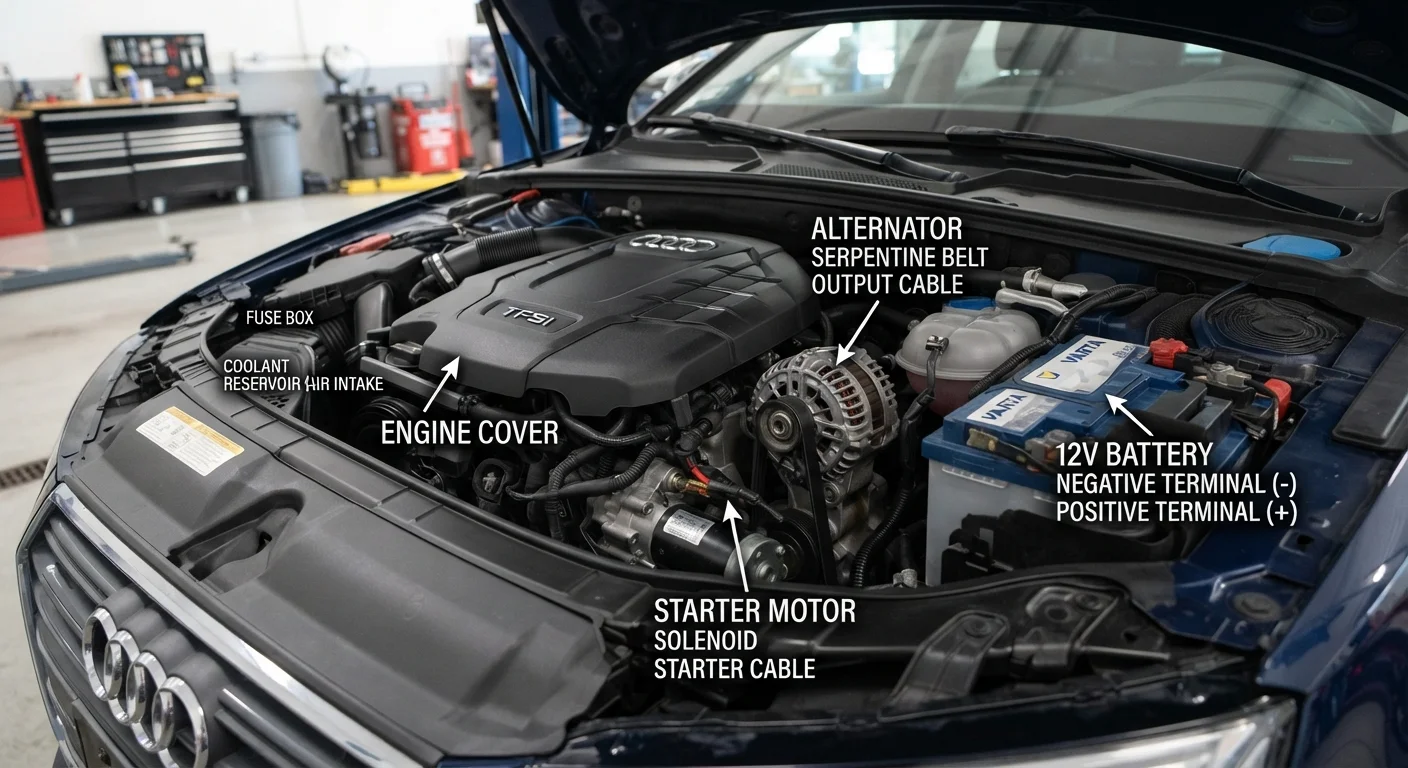
A single continuous belt that drives multiple engine accessories - like the alternator and power steering pump. If it fails while driving, several systems stop working at once.
These systems interact - a slow oil leak, for example, can lead to engine overheating if left long enough. Knowing what each system does makes warning signs much easier to interpret.
Maintenance Tasks You Can Monitor Yourself
Several routine checks require no tools and take under ten minutes. Making them a habit prevents the majority of common roadside problems.
- Tire pressure: Check monthly and before long trips. Correct pressure is listed on a sticker inside the driver's door jamb - not on the tire itself. Under-inflated tires wear unevenly and reduce fuel efficiency.
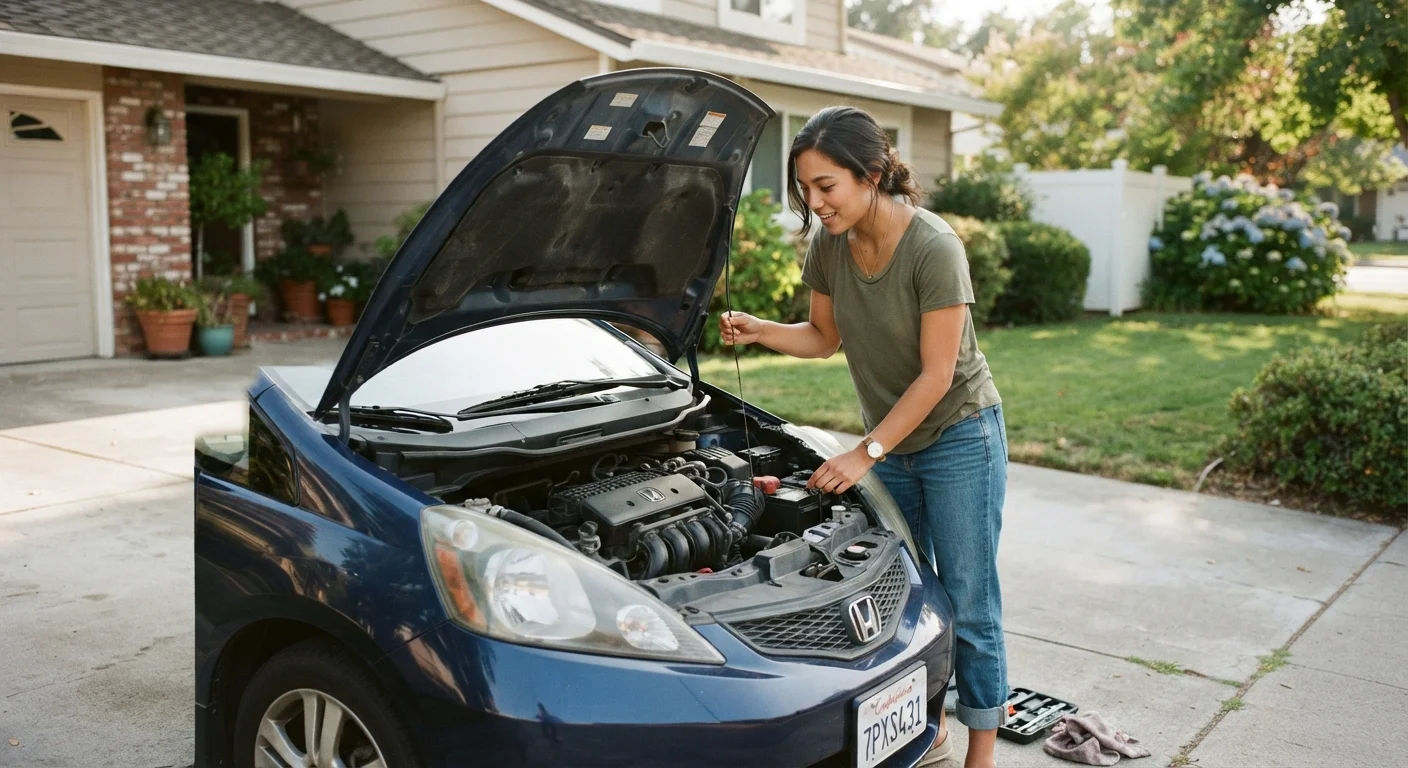
- Engine oil level: Use the dipstick when the engine is cold. Oil should fall between the two marks. Dark brown or black oil that smells burned is a sign it's due for a change.
- Coolant level: Check the reservoir (not the radiator cap directly) when the engine is cold. Low coolant is a leading cause of engine overheating.
- Windshield washer fluid: The one fluid you can safely top off yourself with no mechanical knowledge.
- Wiper blades: If they're streaking or skipping, they need replacing - typically every six to twelve months depending on climate.
Don't Open the Radiator Cap When Hot
The cooling system is pressurized. Opening the radiator cap on a hot engine can cause scalding coolant to spray out suddenly. Always let the engine cool completely before checking or adding coolant, and check the reservoir tank - not the cap - as your first reference point.
Warning Signs That Warrant Immediate Attention
Warning lights and unusual symptoms are your car communicating something specific. Ignoring them rarely makes the problem go away - it usually makes it more expensive.
- Red warning lights: Stop driving as soon as it's safe to do so. Common red lights include low oil pressure and engine temperature. Continuing to drive can cause irreversible damage.
- Check engine light (amber): Doesn't always mean catastrophe, but it shouldn't be ignored. Have the diagnostic code read at a shop - many offer this for free.
- Unusual sounds: Grinding when braking suggests worn brake pads. A knocking sound from the engine often indicates a serious internal issue. Squealing from belts points to wear or tension problems.
- Vibration at highway speeds: Often a tire balance or alignment issue, but can also signal suspension wear.
- Fluid spots under the car: Clear water under the car after running the air conditioning is normal. Oily, green, or reddish puddles are not - they indicate a leak that should be identified promptly.
See our guide on when to handle maintenance yourself versus when to take it to a mechanic for clear guidance on the distinction.
Building a Simple Maintenance Routine
Consistency matters more than perfection. A straightforward approach most new drivers can sustain:
- Monthly: Check tire pressure, inspect fluid levels visually, look for any new warning lights.
- Every 6 months: Inspect wiper blades, check tire tread depth, look over exterior lights.
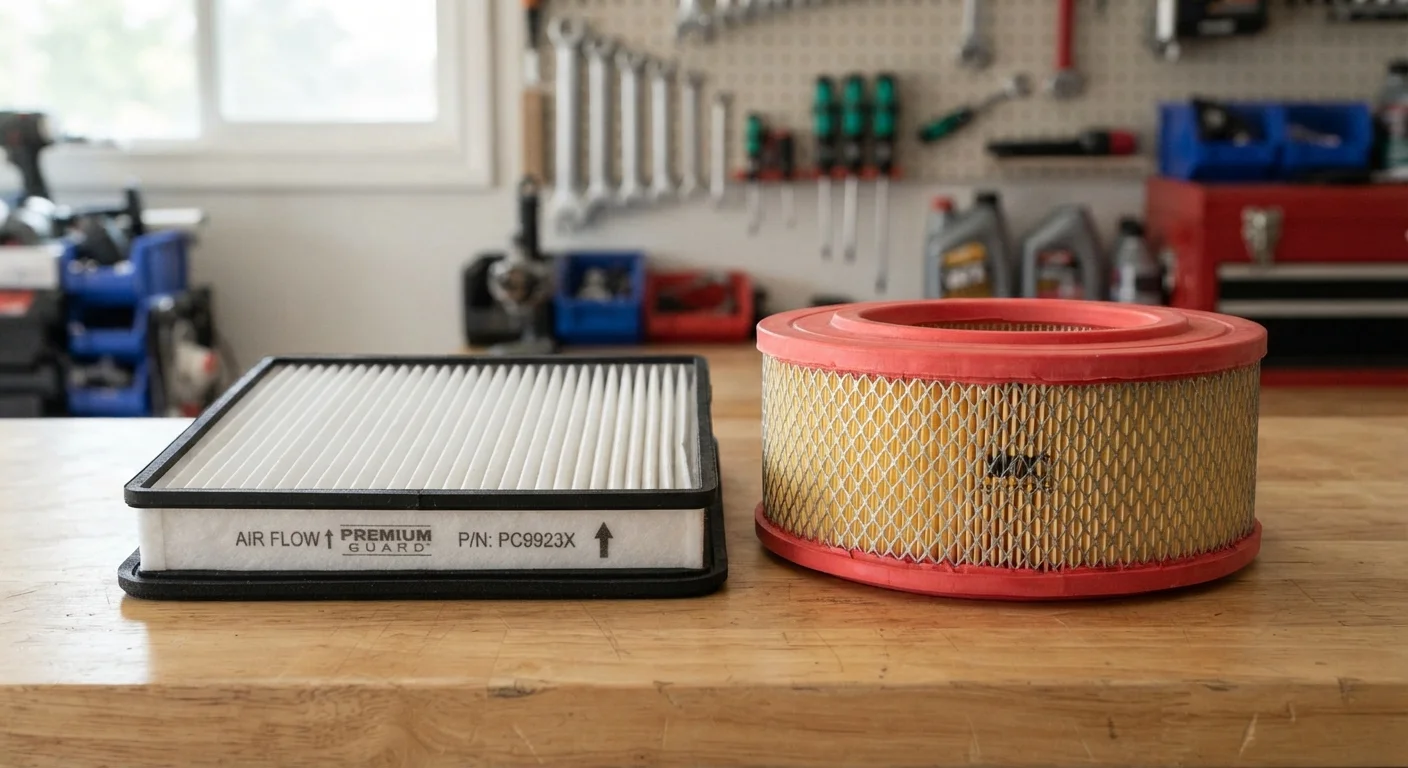
- Per manufacturer schedule: Oil changes, air filter replacement, brake inspections, tire rotations. These intervals are in your owner's manual - follow them over generic internet rules.
Keeping a simple log of every service performed protects your car's resale value and gives any mechanic a clear history to work from. A note in your phone or a folded paper in the glove box is enough to get started.
Deferred maintenance compounds quickly - what costs little to prevent today can become a significant repair bill within a year or two. Building the habit early is the most cost-effective thing a new driver can do.
Time and Mileage Both Matter
Manufacturer service intervals are triggered by whichever comes first - time elapsed or miles driven. A driver who puts on very few miles per year still needs oil changes on a time-based schedule because oil degrades even when the car sits. Understanding how time-based and mileage-based intervals work helps you avoid skipping service just because the mileage looks low.