
Why Overcooked Vegetables Are So Common
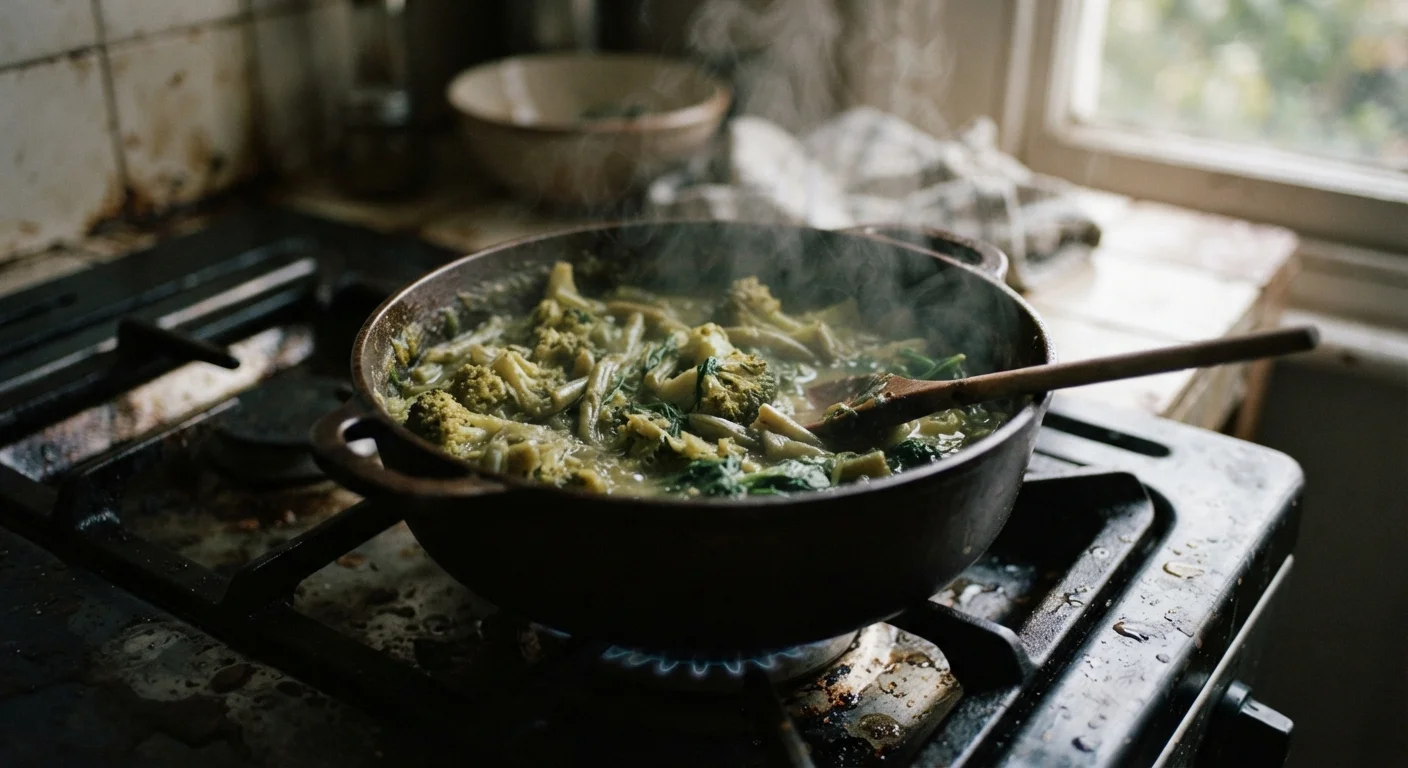
Vegetables are among the fastest-cooking ingredients in any kitchen, yet they're also among the most frequently ruined. The difference between crisp-tender broccoli and a grey, waterlogged pile often comes down to a matter of minutes - or a few deeply ingrained habits that seem harmless on the surface.
The good news: most of the mistakes behind overcooked vegetables are entirely fixable once you know what to look for. Whether you're roasting a sheet pan of root vegetables or quickly blanching green beans for a salad, the same core principles apply. Understanding them builds the kind of kitchen intuition that pays off every single time you cook.
Cutting vegetables into inconsistently sized pieces before cooking.
Why it happens: Home cooks often chop quickly without thinking about uniformity, assuming close-enough sizes will cook at roughly the same rate.
Crowding the pan when roasting, causing vegetables to steam rather than roast.
Why it happens: It feels efficient to get everything onto one sheet pan, but packed vegetables release moisture that has nowhere to escape, so they braise in their own steam.
Not using an ice bath after blanching green or leafy vegetables.
Why it happens: Skipping the ice bath seems like one step too many, especially when the vegetables look done the moment they come out of boiling water.
Cooking vegetables over heat that's too low for too long.
Why it happens: Low heat feels safer and less likely to burn, so cooks leave vegetables on a gentle simmer or in a moderate oven longer than necessary.
Adding vegetables to the pan before it has properly preheated.
Why it happens: Impatience, or the mistaken belief that the pan will heat up around the vegetables once they're in it.
How to Rescue Your Vegetable Cooking Going Forward
Fixing overcooked vegetables isn't just about shaving a minute off your timer. It requires a small shift in how you approach the whole process - from prep through to plating.
20-30%
Nutrient loss from overcooking vegetables
Research published in food science literature has consistently shown that prolonged heat exposure, particularly boiling, can reduce water-soluble vitamins like vitamin C by 20-30% or more.
3-5 min
Typical blanching window for green vegetables
Most green vegetables - including broccoli, green beans, and snap peas - reach optimal tenderness within three to five minutes in boiling salted water, depending on thickness.
Start by reading your recipe fully before you begin. Many vegetable timing errors happen because a cook adds an ingredient at the wrong stage, then scrambles to compensate. Knowing in advance that your asparagus needs only three minutes - while the potatoes need twenty - prevents those last-minute judgment calls.
It also helps to recognize that vegetables continue cooking after they leave the heat. Residual heat in the pan and in the food itself keeps the process going. Pulling vegetables just before they look done, then letting them rest briefly, is a reliable way to land at that ideal tender-but-not-mushy texture. Better vegetable cooking connects directly to building more nutritious everyday meals, since properly cooked produce retains more of its color, texture, and flavor.
Timing Estimates Are a Starting Point, Not a Rule
Recipe times for vegetables are approximations based on average sizes and standard equipment. Your stove's burner output, the thickness of your pan, and even altitude can all shift the actual time needed. Treat written times as a baseline and rely on visual cues - bright color, just-tender texture when pierced - to make the final call.