

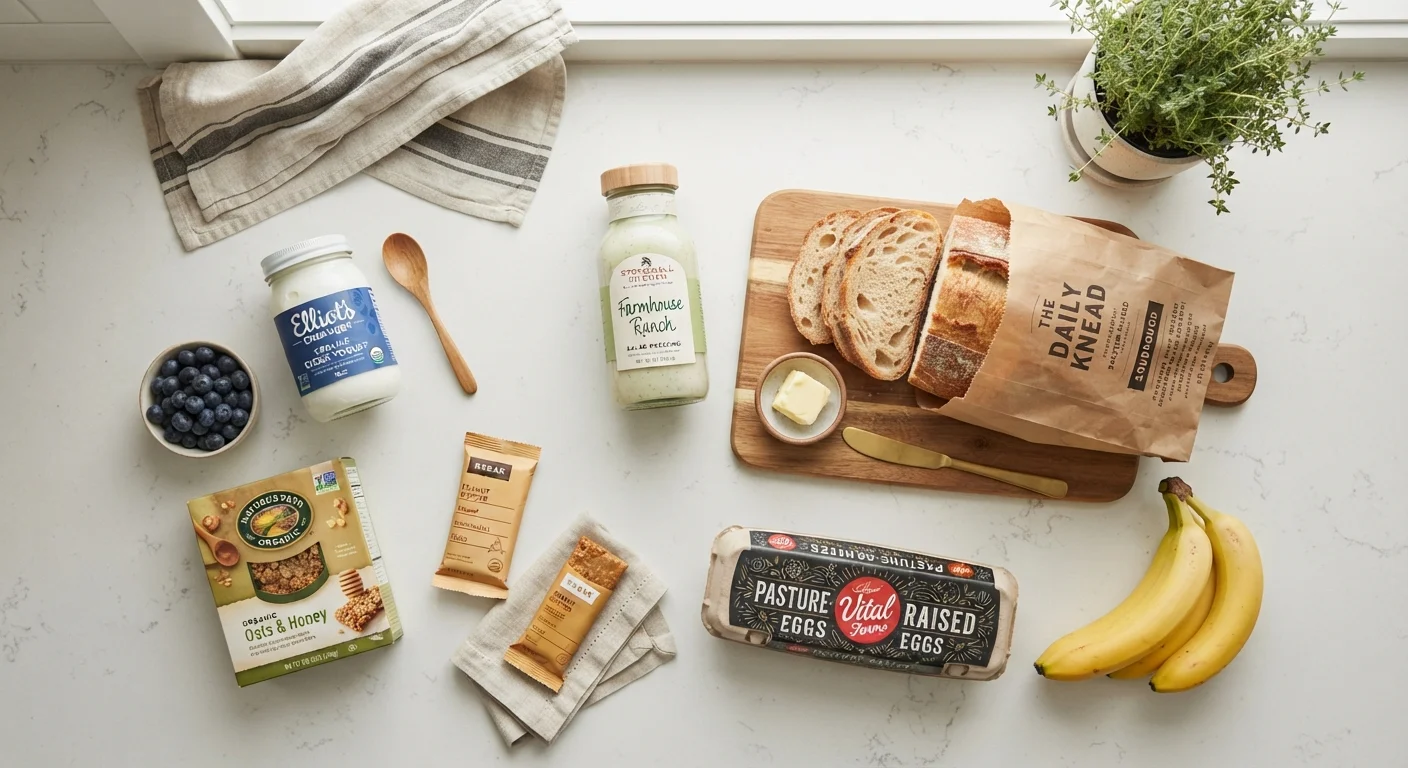
Why Added Sugar Is Harder to Spot Than You'd Think
Most people associate added sugar with desserts and soda. The reality is far more spread out. Sugar is added to foods during processing for a range of reasons - flavor enhancement, preservation, texture, and even color. That means it routinely turns up in products that don't taste obviously sweet and that consumers often consider health-conscious choices.
Understanding where added sugars hide requires knowing two things: how to read a Nutrition Facts panel, and how to recognize sugar's many aliases in an ingredient list. The FDA updated its labeling rules to require a separate "Added Sugars" line on Nutrition Facts panels, which makes comparison easier than it once was. For a full breakdown of how those panels work, see our guide to reading nutrition labels.
The seven categories below represent the places added sugar most commonly goes unnoticed in everyday American eating - and knowing them is a practical starting point for cutting through label confusion.
Flavored Yogurt
Yogurt is widely perceived as a wholesome food, and plain versions largely are. But flavored varieties - including fruit-on-the-bottom, vanilla, and honey styles - frequently contain 12 to 20 grams of added sugar per single-serve container. That can approach or exceed the amount in a glazed doughnut. Low-fat versions sometimes compensate for reduced fat with additional sweeteners to maintain palatability.
When shopping, comparing the "Added Sugars" line between plain and flavored versions of the same brand makes the difference immediately apparent.
A single flavored yogurt cup can contain as much added sugar as a glazed doughnut.
Bread and Rolls
Commercial bread - including whole wheat, multigrain, and sandwich loaves - almost universally contains added sugar. Manufacturers add it to feed yeast, extend shelf life, and improve browning. Most loaves contain 2 to 4 grams per two-slice serving, which accumulates quickly across a day that includes toast, a sandwich, and a dinner roll.
Artisan and bakery-style breads made with simpler ingredient lists tend to contain less, though they're not always free of it. Checking the ingredient list for terms like high-fructose corn syrup, cane sugar, or honey confirms what's present.
Commercial bread almost always contains added sugar, even whole-grain varieties.
Salad Dressings and Marinades
Bottled salad dressings - particularly low-fat and fat-free versions - routinely use sugar to replace the mouthfeel and flavor that fat provides. Raspberry vinaigrettes, honey mustard, and balsamic-style dressings can each contain 5 to 8 grams of added sugar per two-tablespoon serving, which is easy to underestimate when dressing is poured rather than measured.
Marinades follow the same pattern. Teriyaki, barbecue-style, and sweet-and-sour sauces are especially high, sometimes containing 10 or more grams per serving.
Low-fat dressings often use added sugar to replace the flavor lost when fat is removed.
Granola and Cereal Bars
Products positioned as convenient, portable nutrition often carry significant added sugar loads. Granola clusters, chewy bars, and cereal-based snacks frequently list oats or whole grains prominently while containing multiple sweeteners - honey, brown rice syrup, cane sugar, and molasses may all appear in the same product. A single bar can contain 8 to 14 grams of added sugar.
The health halo around "wholesome-sounding" ingredients can make scrutiny feel unnecessary, which is exactly when checking the label pays off most. See our overview of added sugar aliases for help decoding common names.
A single granola bar may contain several different sweeteners - not always obvious from the front label.
Pasta Sauces and Canned Tomato Products
Tomatoes are naturally acidic, and many manufacturers add sugar to jar pasta sauces, pizza sauces, and canned tomato products to balance that acidity and round out flavor. A half-cup serving of jarred marinara - a reasonable portion for pasta - can contain 6 to 10 grams of added sugar depending on the recipe. Premium or imported brands are not necessarily lower; this is about formulation, not price point.
Checking the added sugars line here is especially useful because the tomato base can obscure how sweet the product actually is.
Jarred pasta sauce regularly contains added sugar to offset the natural acidity of tomatoes.
Sports Drinks and Enhanced Waters
Sports drinks were formulated to replenish electrolytes and carbohydrates during sustained athletic activity - contexts where those sugars serve a specific functional purpose. For everyday hydration, though, a standard 20-ounce bottle can deliver 34 or more grams of added sugar. "Enhanced" or "vitamin" waters occupy an ambiguous middle ground, with some containing 13 to 18 grams despite a hydration-forward marketing image.
Plain water, sparkling water, and unsweetened electrolyte products provide hydration without the added sugar load for people not engaged in extended exercise.
A 20-ounce sports drink can deliver more added sugar than many people expect from a beverage marketed for fitness.
Savory Packaged Snacks
Crackers, rice cakes, flavored popcorn, and even some cheese puffs often contain added sugar as a flavor-rounding agent - it doesn't make them taste sweet, but it smooths out savory and salty notes. The amounts per serving are typically smaller (1 to 3 grams), but because savory snacks aren't associated with sweetness, consumers rarely think to check. Over several snack occasions per day, these small figures contribute meaningfully to overall intake.
Sugar in savory snacks rarely registers as sweetness, making it one of the easiest sources to miss.
Putting It All in Perspective
Spotting added sugar isn't about eliminating every gram - it's about making informed tradeoffs. The Dietary Guidelines for Americans suggest limiting added sugars to less than 10 percent of daily calories, which works out to roughly 50 grams for a 2,000-calorie diet. Small amounts spread across several foods can add up faster than expected when the sources aren't obvious.
A Simple Label-Reading Habit
When evaluating a new packaged product, check both the "Added Sugars" line on the Nutrition Facts panel and the first five ingredients on the ingredient list. If a sweetener appears before fiber-rich or protein-rich ingredients, that's a useful signal about the product's overall nutritional profile. This quick two-step check takes less than 30 seconds and quickly becomes second nature.
The most useful habit is scanning ingredient lists alongside the Nutrition Facts panel. If sweeteners appear among the first three or four ingredients, the product likely contains a meaningful amount. For a plain-language walkthrough of every section on a US food label, our nutrition label explainer covers it step by step.
This article is for general informational and educational purposes only. It is not a substitute for personalized dietary advice from a registered dietitian or qualified healthcare professional.