
Why Hidden Water Damage Is So Costly
Water is patient. It seeps into wall cavities, travels along joists, pools under flooring, and causes structural decay long before most homeowners notice anything is wrong. By the time a stain appears on a ceiling or a floor starts to buckle, damage is often already well established beneath the surface.
The financial stakes are real. Remediation costs climb steeply once mold takes hold or structural materials are compromised. Catching warning signs early - before they escalate - is one of the most valuable skills a homeowner can develop. This reference guide walks you through the most reliable indicators that water is where it shouldn't be.
| Most common leak sources | Plumbing supply lines, roof penetrations, windows, and appliance connections |
| Early sign category | Visual stains, paint bubbling, efflorescence, soft spots |
| Mold growth timeline | Mold can begin growing on wet materials within 24-48 hours (EPA general guidance on mold and moisture) |
| High-risk zones | Bathrooms, kitchens, basements, attics, and around exterior penetrations |
| When to call a professional | Any suspected mold, soft structural materials, or plumbing inside walls |
For a broader look at how hidden problems like these affect renovation costs, see our guide to bathroom renovation budget overruns, where water damage is a leading culprit.
Visual Clues to Look For
Your eyes are your first diagnostic tool. Walk through each room and train yourself to notice subtle irregularities:
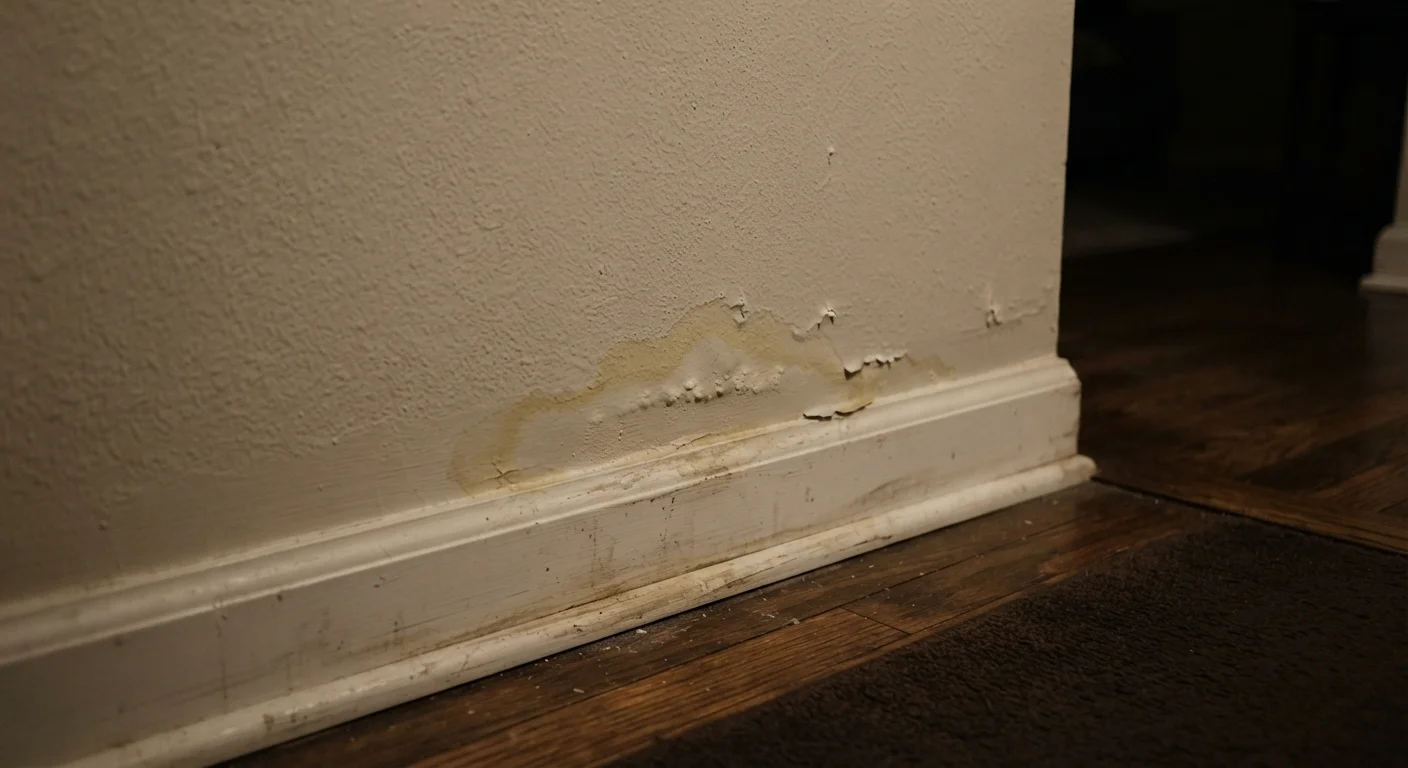
- Stains and discoloration: Yellow, brown, or rust-colored rings on ceilings or walls indicate water has pooled or repeatedly dried in that spot. Ring-shaped stains are especially telling - they suggest an ongoing or recurring source, not a one-time splash.
- Peeling or bubbling paint: Paint lifts when moisture gets behind it. This is common near windows, exterior walls, and around plumbing fixtures.
- Warped or buckled surfaces: Drywall that bows outward, baseboards pulling away from the wall, or flooring that has risen or cupped are all signs water has been absorbed into the material.
- Efflorescence on masonry: Those white, chalky deposits on basement or foundation walls form when water carries dissolved minerals through concrete and deposits them on the surface as it evaporates. It indicates water is actively moving through the masonry.
Efflorescence
White or gray chalky deposits that appear on the surface of masonry, concrete, or brick. They form when water migrates through the material and carries dissolved salts to the surface, where they crystallize as the water evaporates. Their presence indicates active moisture movement.
Subfloor
The structural layer of flooring beneath the finished floor surface (tile, hardwood, carpet, etc.). It is typically plywood or OSB and is vulnerable to swelling, rot, and delamination when exposed to sustained moisture.
Flashing
Thin strips of metal or other waterproof material installed at roof joints, around chimneys, skylights, and windows to redirect water away from seams. Failed flashing is a common cause of water intrusion into walls and attics.
Remediation
The professional process of identifying, containing, and removing water damage and mold from a structure. It typically involves drying equipment, removal of affected materials, and treatment of surfaces before rebuilding.
Wax Ring Seal
A compressible wax gasket installed between a toilet base and the drain flange in the floor. Over time it can compress or shift, allowing wastewater and moisture to seep under the flooring.
Delamination
The separation of bonded layers in a composite material, such as plywood or drywall, caused by moisture breaking down the adhesive between layers. Delaminated materials lose structural integrity and typically must be replaced.
When reviewing a recent home inspection, these visual signs may appear in the report using terms that aren't always obvious. Our guide to decoding inspection report language can help you interpret what inspectors are flagging.
Using Your Senses: Smell, Sound, and Touch
Visual signs aren't always present, especially early in a problem. Your other senses fill in the gaps.
Smell
A persistent musty or earthy odor - even in a clean room - is one of the strongest indicators of hidden moisture. Mold and mildew produce distinctive volatile organic compounds. If the smell is strongest in closets, near exterior walls, or in basement corners, investigate those areas closely.
Touch
Press lightly on drywall, wood trim, and subfloor areas that feel suspicious. Soft spots, sponginess, or any give under gentle pressure suggest moisture has degraded the material beneath the surface. Pay particular attention to areas around toilets, under sinks, and near exterior doors.
Sound
Running water behind walls when no fixture is in use may point to a leaking pipe. While not always audible, in a quiet house the faint hiss or drip of a slow leak is sometimes detectable by pressing your ear near the wall or floor near plumbing runs.
When to Stop and Call a Professional
If you find soft drywall, widespread staining, visible mold growth, or evidence of moisture near your electrical panel or structural members, stop investigating and contact a licensed contractor or certified water damage specialist. Some conditions - particularly active mold or compromised structural materials - require professional assessment and remediation, not DIY patching. Many local jurisdictions also require permits for certain repair work.
Understanding how moisture interacts with your home's envelope connects directly to energy performance. Our room-by-room air leak sealing guide explains how air and moisture movement are closely linked.
Where to Check First
Certain areas of any home are statistically more likely to harbor hidden water damage. Prioritize these locations during regular inspections:
24-48 hrs
Time for mold to begin growing on wet surfaces
According to EPA guidance on mold and moisture control in buildings.
~14,000
US homes affected by water damage emergencies daily (estimated)
Frequently cited estimate based on insurance industry data; exact figures vary by source and year.
- Under sinks - cabinet floors often absorb slow drips from supply lines or drain connections before any puddle forms in the open.
- Around toilets and tubs - the wax ring seal beneath a toilet and caulk lines around a tub degrade over time. Water infiltrates slowly.
- Attic and roof penetrations - skylights, vents, and chimney flashings are common leak entry points. Look for staining on attic sheathing or insulation that appears compressed or discolored.
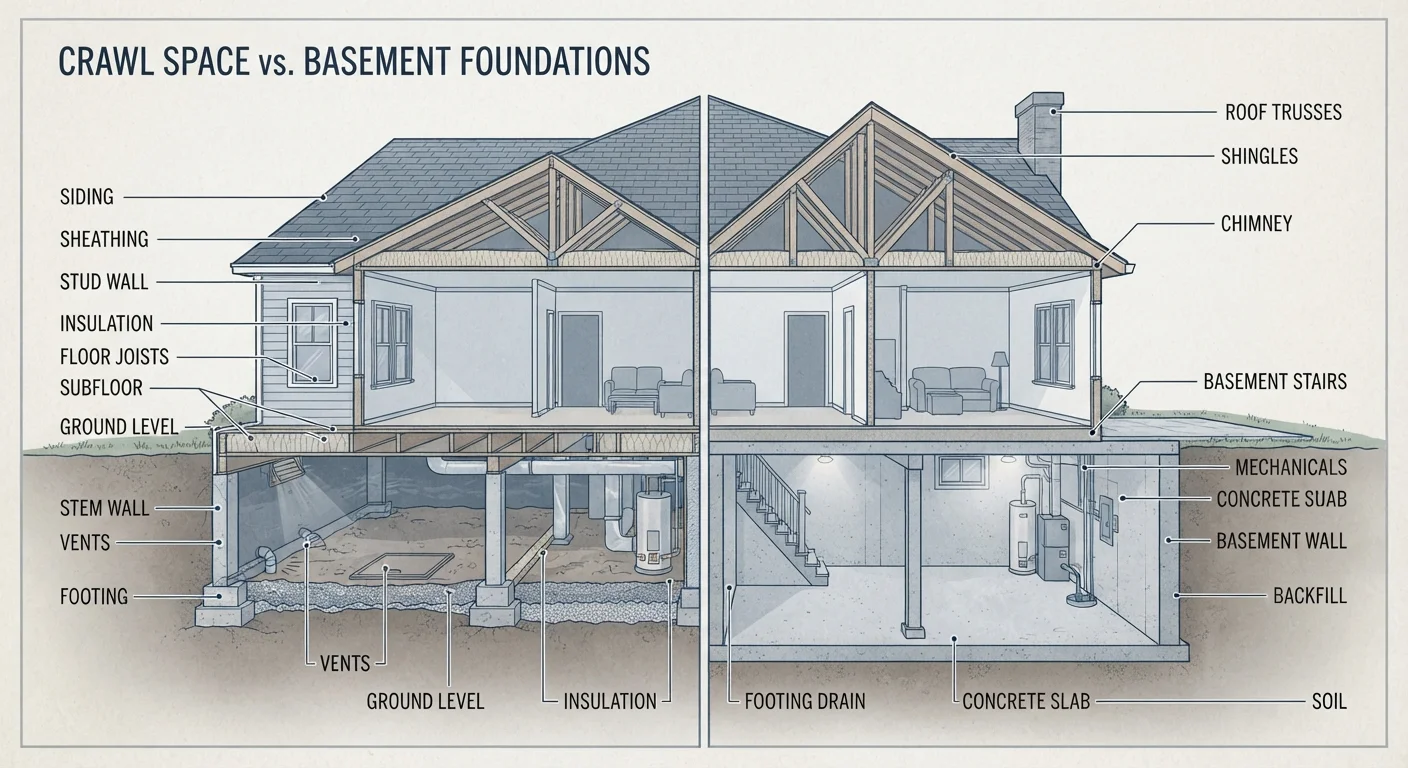
- Basement and crawl space perimeters - check where walls meet the floor slab, and look at the base of support columns for rust staining or rot.
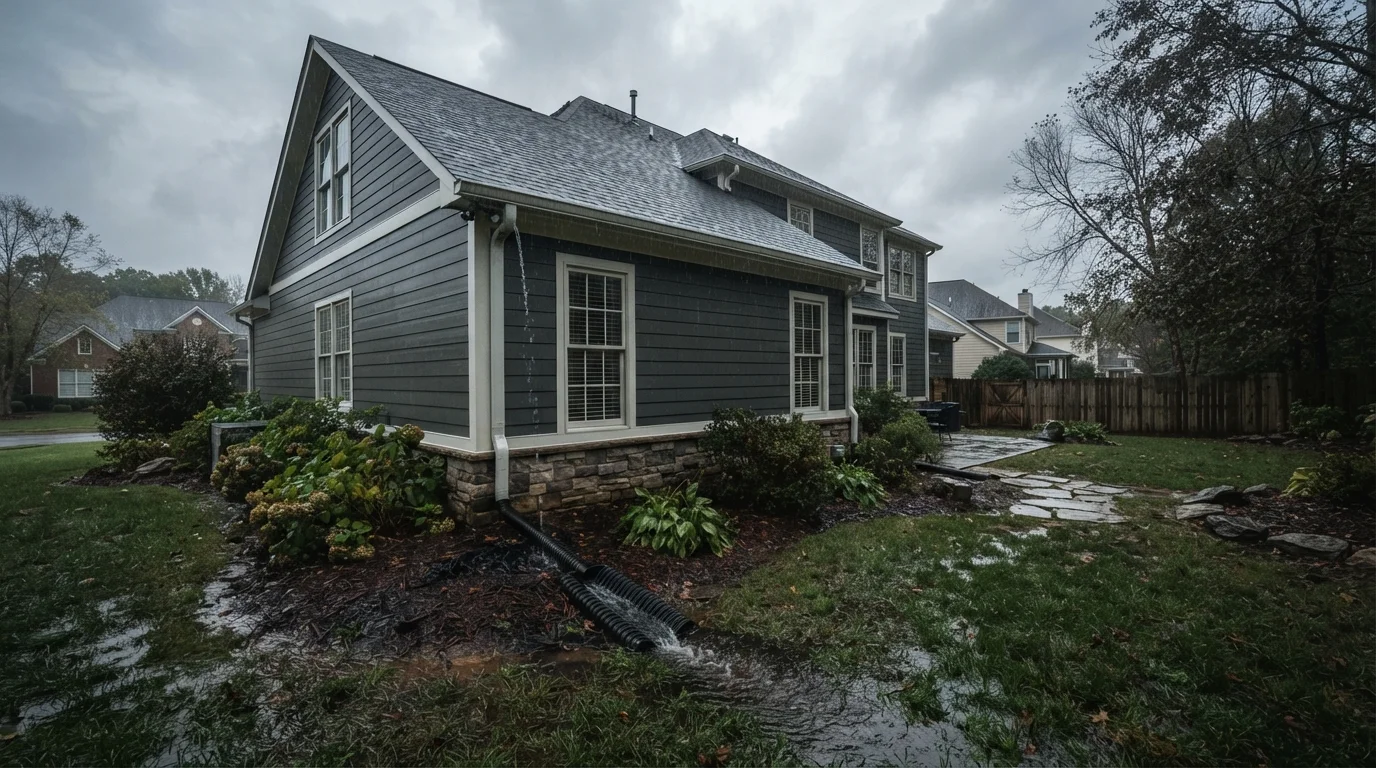
- Around windows and exterior doors - failed caulk or flashing allows rain infiltration during wind-driven storms.
Water damage can also flag deeper structural concerns. Before any significant repair or renovation involving walls, review our guide to identifying load-bearing walls to avoid compounding problems during repairs.
For context on how major home systems age and become more vulnerable to leaks over time, see The Lifecycle of Common Home Systems.
If you notice any of the signs described here, consulting a licensed contractor or water damage specialist for an assessment is strongly advisable before attempting repairs. Many issues - especially those involving mold, structural materials, or plumbing inside walls - require professional remediation to address safely and correctly.