
How Small Neglect Compounds Into Large Bills
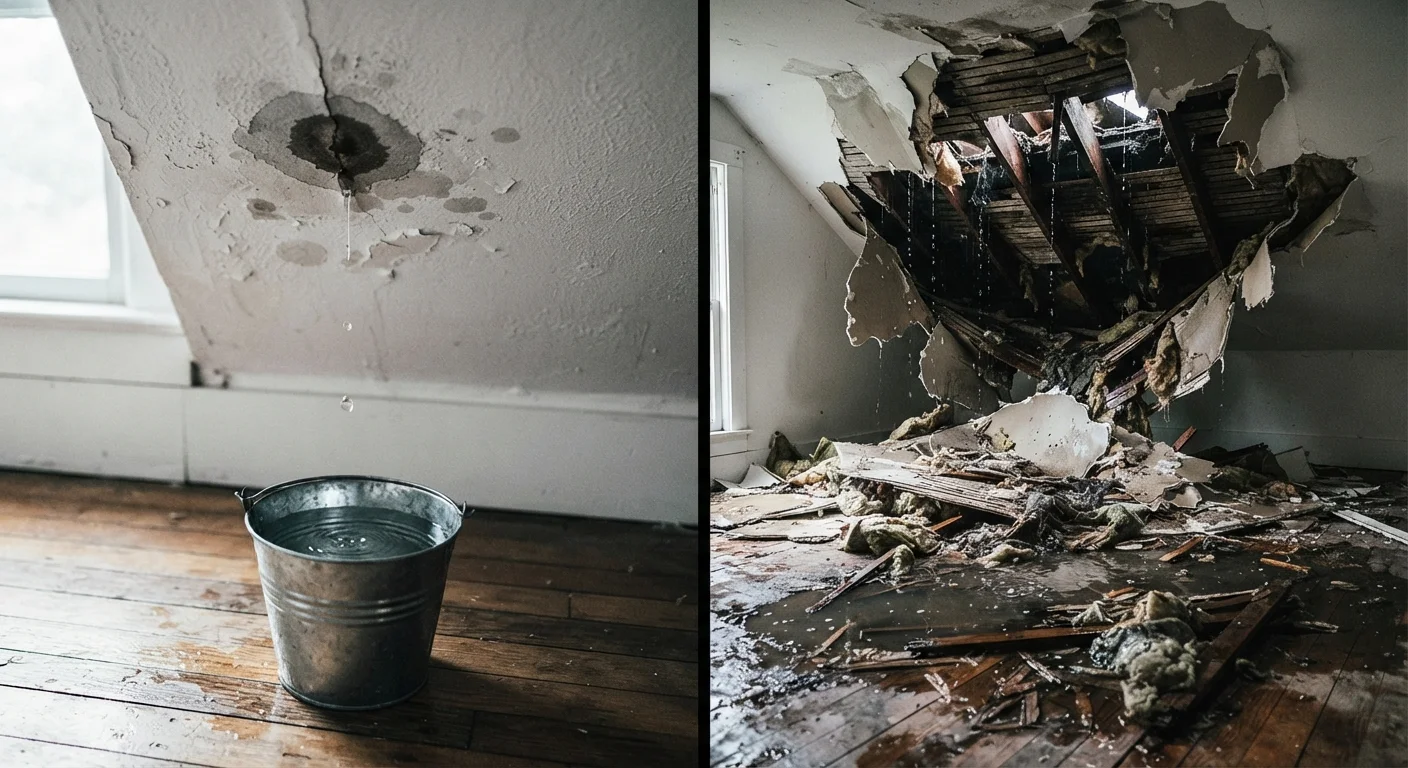
The math of deferred maintenance is straightforward but sobering. A $20 tube of roof sealant applied over a cracked flashing today can prevent thousands of dollars in structural repair if that crack allows water to penetrate rafters, insulation, and drywall over two or three winters. The repair cost doesn't grow linearly - it often multiplies, because water damage rarely stays in one place.
This pattern repeats across virtually every home system. A clogged dryer vent that takes 15 minutes to clear can eventually cause a house fire or a failed dryer motor. A slow toilet leak wastes water, inflates utility bills, and quietly warps the subfloor below. These aren't hypothetical worst cases - they are routine outcomes that home inspectors and contractors encounter regularly.
It's worth understanding why homeowners defer maintenance in the first place. Cost, time, and visibility all play roles. Many failures are hidden behind walls or above ceilings, making it easy to reason that if nothing is visibly wrong, nothing needs attention. That logic is exactly how backlogs grow. See our guide to hidden budget costs for a broader look at how unplanned expenses accumulate.
1-2%
Recommended annual maintenance budget as share of home value
This is a widely cited rule of thumb used by housing counselors and financial planners; actual costs vary by home age and condition.
$15,000+
Typical cost range for mold remediation in severe cases
The EPA notes that mold remediation costs vary widely based on the extent of growth and affected materials; early intervention dramatically reduces scope.
35%
Share of home fires attributed to heating equipment issues
According to the U.S. Fire Administration, failure to clean heating equipment - including chimneys and vents - is a leading cause of residential heating fires.
The Home Systems Most Vulnerable to Neglect
Not all deferred maintenance carries equal risk. Certain systems and materials degrade in ways that cascade into other areas of the home.
- Roofing and flashing: Missing shingles or deteriorated sealant around penetrations allow water in. Once moisture reaches the decking or rafters, rot and mold follow.
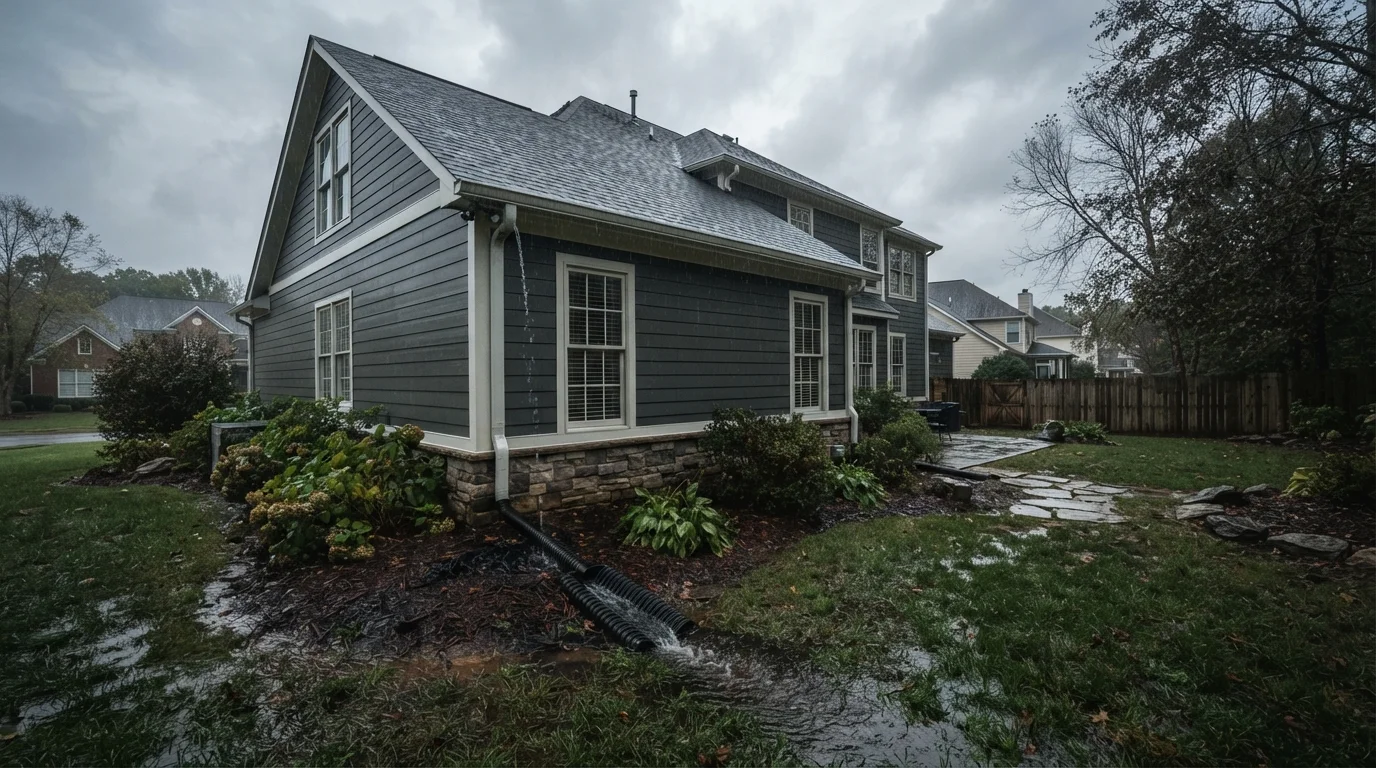
- Gutters and drainage: Clogged gutters direct water against fascia boards and foundation walls instead of away from the home. Foundation water intrusion is among the most expensive repairs a homeowner can face.
- HVAC systems: Dirty filters reduce efficiency, overwork components, and shorten equipment lifespan. Skipping annual servicing can mean a $150 tune-up avoided eventually results in a $5,000-$10,000 equipment replacement. Understanding how long home systems last can help you anticipate when servicing is most critical.
- Plumbing fixtures and seals: Slow drips around toilet bases, under sinks, and behind washing machines are easy to dismiss. Left unaddressed, they rot subfloors and cabinetry.
- Exterior caulk and sealants: These are inexpensive to replace but critical barriers. When they fail, wind-driven rain enters wall cavities.
Create a Simple Seasonal Checklist
Divide maintenance tasks into four seasonal groups - spring, summer, fall, and winter - and attach them to calendar reminders. Even a basic list of 8-10 tasks per season keeps the most critical systems on your radar before problems develop. Tasks like checking caulk, testing smoke detectors, and replacing HVAC filters take minutes but carry outsized protective value.
What Deferred Maintenance Does to Your Home's Value and Insurability
The financial consequences of neglect extend beyond repair invoices. When a home is appraised for sale or refinancing, appraisers note visible deferred maintenance and apply depreciation accordingly. A buyer's home inspection that surfaces a list of overdue items gives them leverage to renegotiate price or walk away.
Insurers can also be affected. Homeowners insurance policies typically cover sudden and accidental damage - not gradual deterioration from neglect. A roof that fails during a storm may face a denied claim if the insurer determines the roof was already in poor condition due to lack of maintenance. This distinction matters enormously when a large claim is on the line.
It's important to separate necessary maintenance from discretionary upgrades. Not all home improvement investments pay off equally - but the baseline maintenance required to keep a home structurally sound and weather-tight always justifies the cost.
Building a Maintenance Habit That Prevents the Backlog
The most effective approach to deferred maintenance is a regular, seasonal routine. Breaking tasks into quarterly or annual checkpoints makes the workload manageable and catches problems while they're still minor. Many of these tasks are genuinely achievable without professional help - knowing which ones fall into that category matters. Our guide on DIY vs. professional maintenance can help you draw that line confidently.
On the financial planning side, the standard guidance is to budget 1-2% of your home's value per year for maintenance. A $350,000 home, under this framework, warrants roughly $3,500-$7,000 per year set aside. This is general educational guidance, not a personalized financial recommendation - your actual costs will depend on your home's age, condition, and local climate. Consulting a qualified financial professional can help you fit this into your overall household budget.
The core principle is straightforward: a home is a system of systems, and systems require regular attention to function reliably. Treating maintenance as an ongoing investment rather than an occasional emergency response is what separates homeowners who stay ahead of their homes from those who are perpetually caught off guard.
This article is for informational purposes only. Repair costs and maintenance needs vary widely by home age, location, and condition. Consult a licensed contractor or home inspector for guidance specific to your property. Financial figures mentioned are general estimates and do not constitute financial advice.