
Why the DIY vs. Pro Line Matters
Homeownership comes with a long maintenance list and the constant temptation to handle everything yourself to save money. The trouble is that some tasks are genuinely straightforward, while others carry risks-electrical shock, gas leaks, structural failure-that can turn a cost-saving attempt into an expensive or even dangerous outcome.
The goal isn't to discourage DIY. Most homeowners can handle a significant portion of routine maintenance safely. The goal is to draw a clear, honest line so you know when to grab your toolbox and when to pick up the phone. If you're new to all of this, the First-Time Homeowner's Introduction to Maintaining a House is a great place to build your foundational knowledge first.
Tasks Most Homeowners Can Safely DIY
These tasks require minimal specialized tools, carry low risk when done correctly, and are within reach of someone willing to follow instructions carefully.
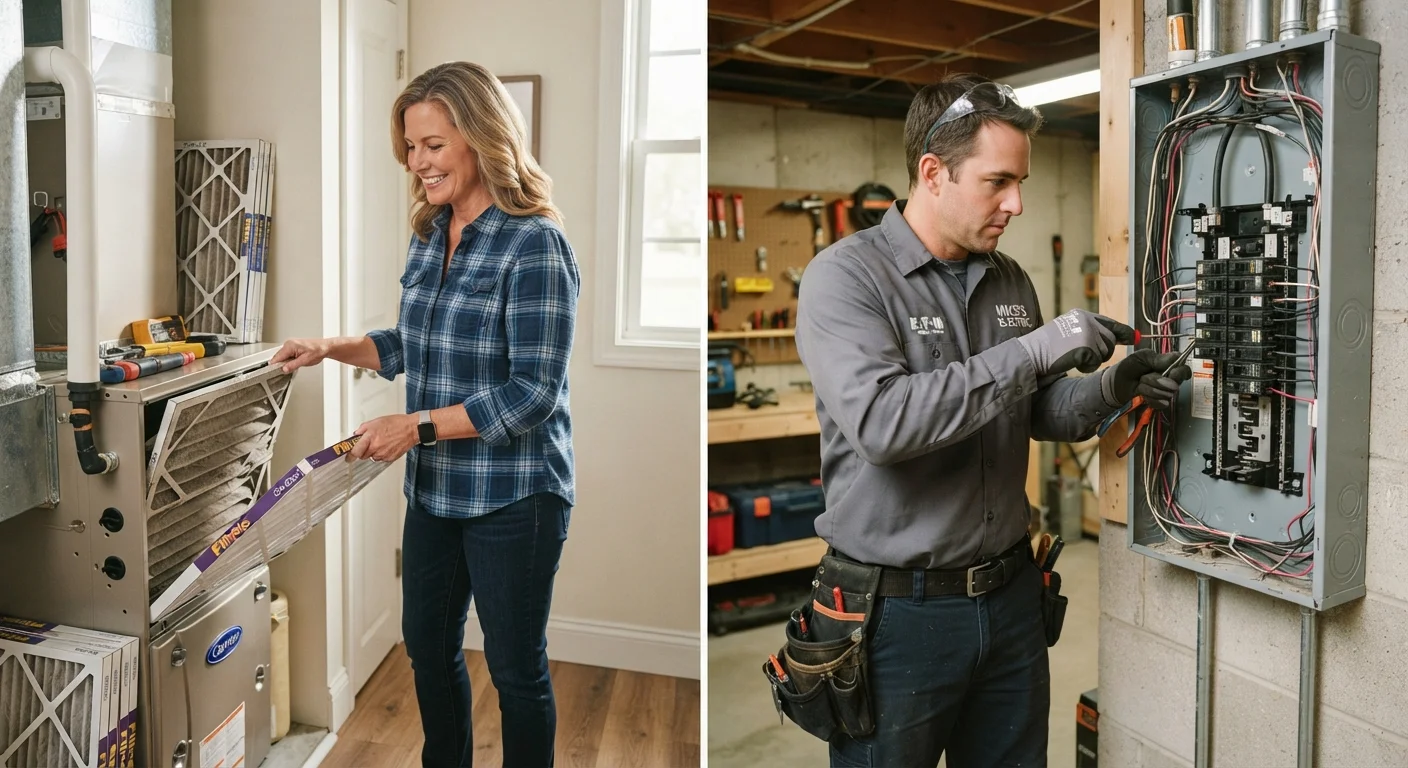
- HVAC filter replacement: Replace filters every 1-3 months depending on your system and household. It's as simple as sliding out the old one and inserting a correctly sized new one.
- Caulking windows, tubs, and sinks: Removing old caulk and applying fresh sealant prevents water intrusion. A utility knife, caulk gun, and some patience are all you need.
- Patching small drywall holes: Nail pops and small screw holes can be filled with spackling compound, sanded smooth, and painted over.
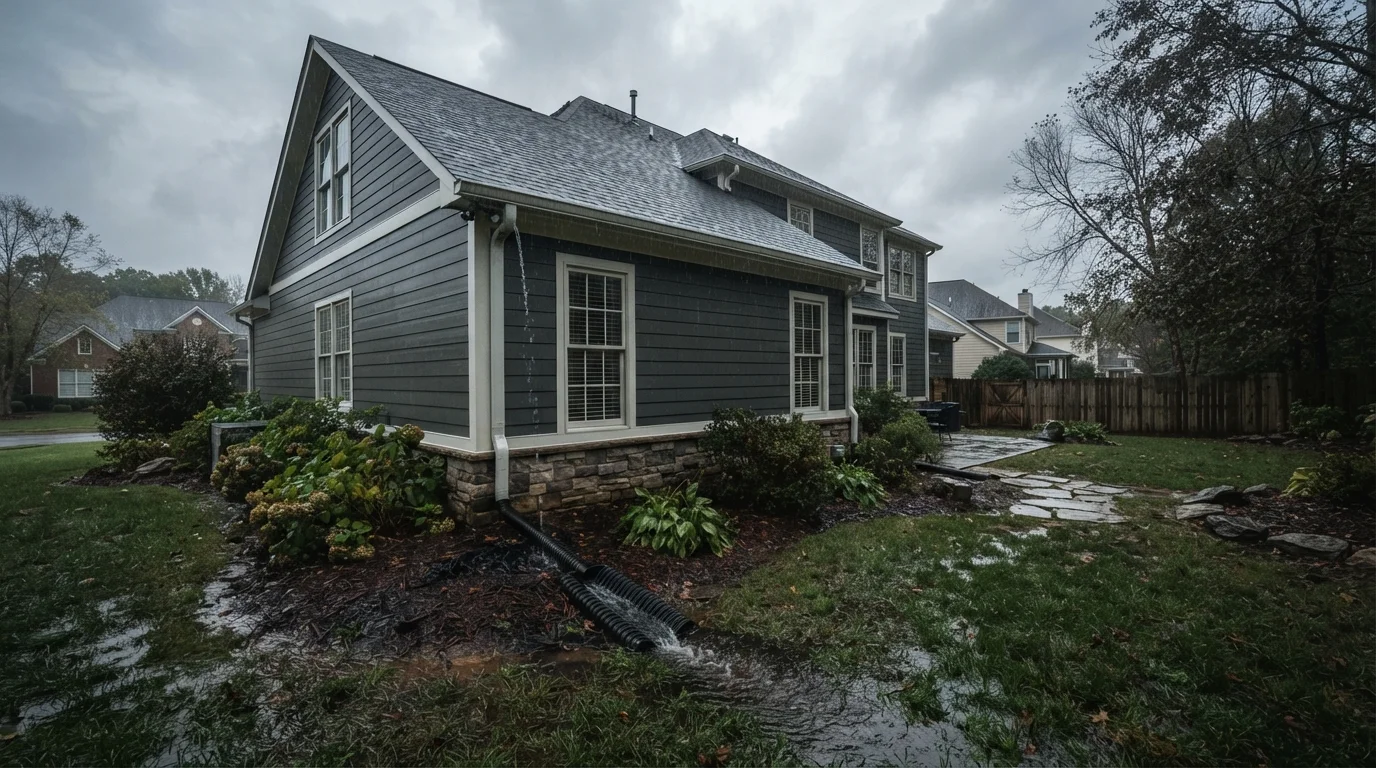
- Cleaning gutters: From a stable ladder with proper footwear, clearing gutters of leaves and debris is a routine task. Avoid steep rooflines or multi-story gutters without professional equipment.
- Replacing toilet flappers and fill valves: These inexpensive parts are the source of most running toilet problems and swap out without special tools.
- Painting interior walls: With proper prep-cleaning, priming, taping-interior painting is one of the highest-impact DIY upgrades.
- Replacing outlet covers and light switch plates: Purely cosmetic swaps that require no wiring work.
- Testing smoke and carbon monoxide detectors: Press the test button monthly and replace batteries annually.
Build Your DIY Skills Gradually
Start with the simplest tasks-filter swaps, caulking, painting-and add complexity as your confidence grows. Watching manufacturer installation videos before starting a new task is one of the most reliable ways to avoid beginner mistakes. Keeping a home maintenance log also helps you track what's been done and flag recurring issues early.
For a seasonal framework around these tasks, the month-by-month home maintenance calendar helps you stay ahead of problems before they develop.
Tasks That Require a Licensed Professional
The following categories consistently fall outside safe DIY territory-either because of the technical complexity, the risk of injury, or because local codes require licensed tradespeople and inspections.
| Task | DIY | Pro Required | |
|---|---|---|---|
| HVAC filter replacement | ✓ Safe DIY | Not needed | |
| Electrical panel / rewiring | Not safe | ✓ Always required | |
| Caulking / weatherstripping | ✓ Safe DIY | Not needed | |
| Gas line repair or extension | Not safe | ✓ Always required | |
| Interior painting | ✓ Safe DIY | Not needed | |
| Roof replacement | Not recommended | ✓ Strongly advised | |
| Toilet flapper / fill valve | ✓ Safe DIY | Not needed | |
| Structural wall removal | Not safe | ✓ Always required | |
| Light fixture swap (existing) | ✓ With caution | If new wiring needed | |
| Main sewer line repair | Not recommended | ✓ Strongly advised |
- Electrical panel work: Adding circuits, replacing a breaker panel, or rewiring rooms involves live current and must comply with the National Electrical Code. Only licensed electricians should perform this work.
- Gas line repairs or extensions: Gas leaks can cause fires, explosions, and carbon monoxide poisoning. Even minor gas appliance connections often require a licensed plumber or gas fitter.
- Structural modifications: Removing walls (load-bearing or not), adding openings, or altering the framing requires structural engineering knowledge and typically a permit.
- Roof replacement: Full roof replacement involves working at height with heavy materials. Improper installation can void manufacturer warranties and cause water damage.
- HVAC system installation: Replacing the entire heating or cooling system requires proper sizing, refrigerant handling certification, and code compliance.
- Main sewer line work: Clearing or repairing a main sewer line involves specialized equipment and knowledge of local utility requirements.
Before hiring anyone, review what to verify before hiring a contractor to protect yourself from unlicensed or uninsured workers. And if you're ever wondering whether a project needs a permit, the permit guide for home improvement projects will help you navigate that decision.
Unpermitted Work Can Cost You Later
Completing electrical, plumbing, or structural work without required permits can create serious problems when you sell your home. Buyers' inspectors often identify unpermitted work, which can delay or kill a sale. In some cases, you may be required to tear out and redo the work with proper permits before closing. Always verify local requirements before starting major projects.
The Gray Zone: Proceed With Caution
Some tasks sit in a middle territory-doable by a skilled DIYer in some situations, but best left to pros in others.
- Replacing light fixtures: Swapping a fixture on a circuit you've confirmed is off at the breaker is manageable. Any work near the panel itself is not.
- Minor plumbing repairs: Replacing a faucet or a shutoff valve under a sink is generally safe. Anything involving cutting into supply lines or drain stacks warrants professional help.
- Installing a ceiling fan: Safe if you're replacing an existing ceiling fan and comfortable confirming power is off. Adding a new box to a ceiling with no existing wiring is a professional job.
The getting started with home improvement guide offers useful framing for how to evaluate your own skill level honestly before committing to a project.