
Why This Checklist Matters
Buying a used car without a structured process is one of the most common ways consumers end up with expensive regrets. Unlike a new vehicle, a used car carries an unknown history - previous accidents, deferred maintenance, flood exposure, or title complications that aren't visible at a glance. This checklist walks you through every critical checkpoint so you can evaluate any used vehicle with confidence.
For a broader look at the full purchase journey, see The Car-Buying Process, Start to Finish, which covers everything from setting a budget to signing paperwork.
Vehicle History
Title and Legal Status
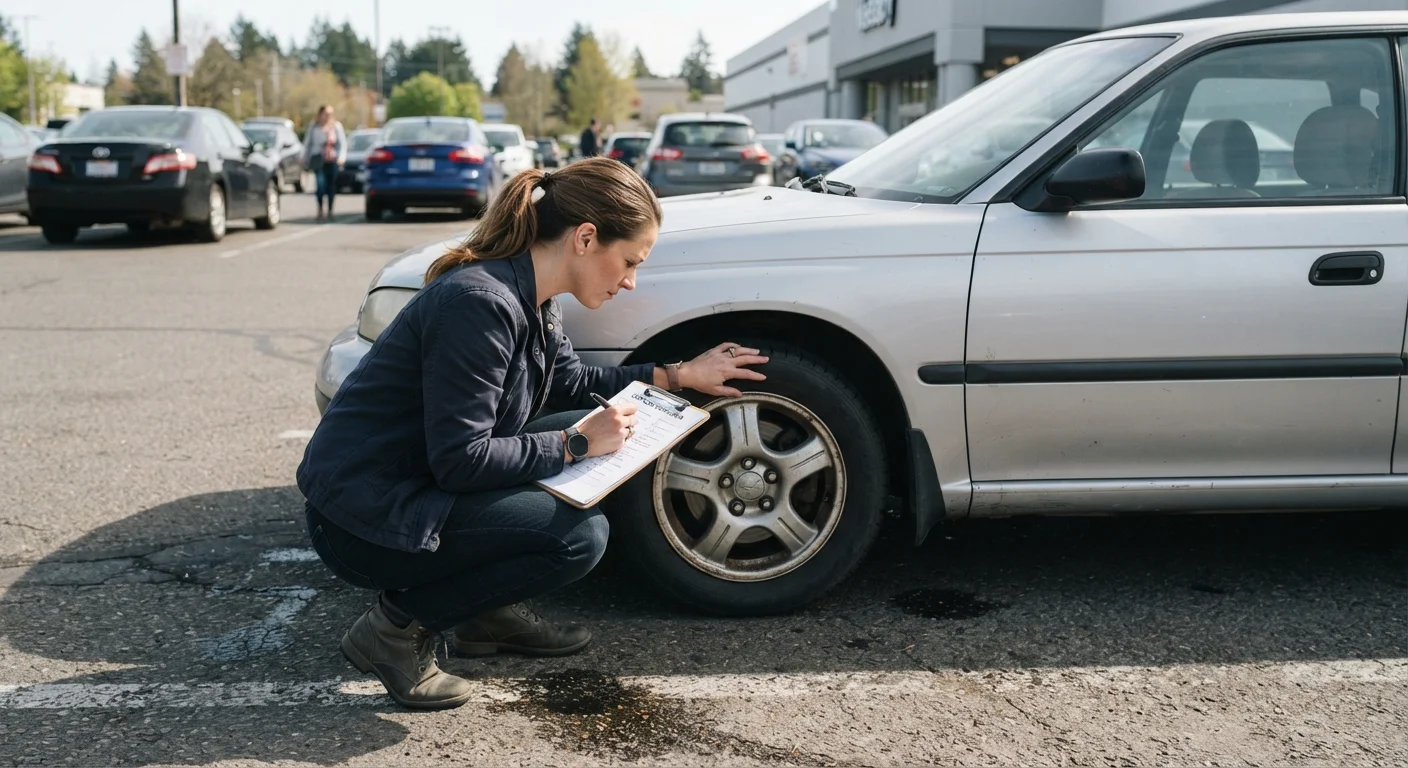
Exterior and Body Inspection
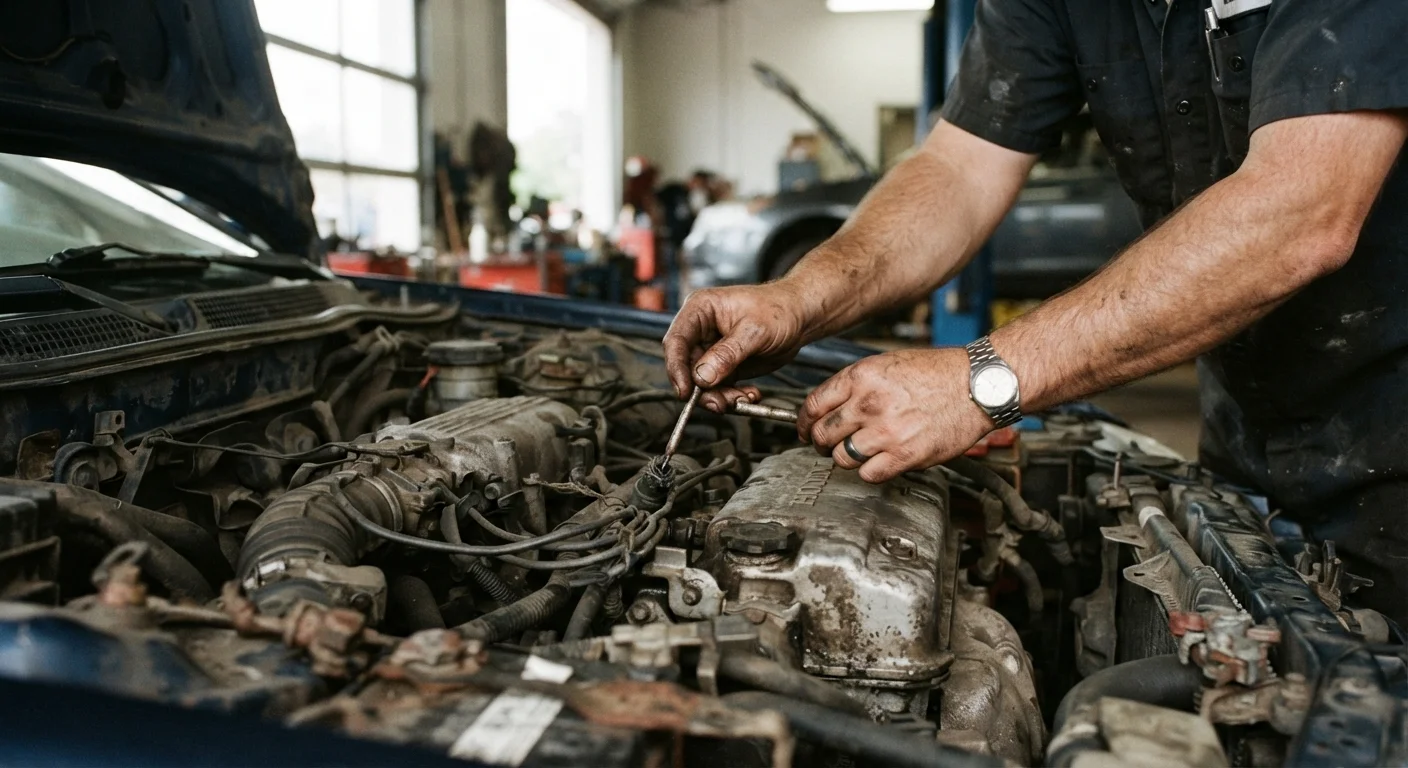
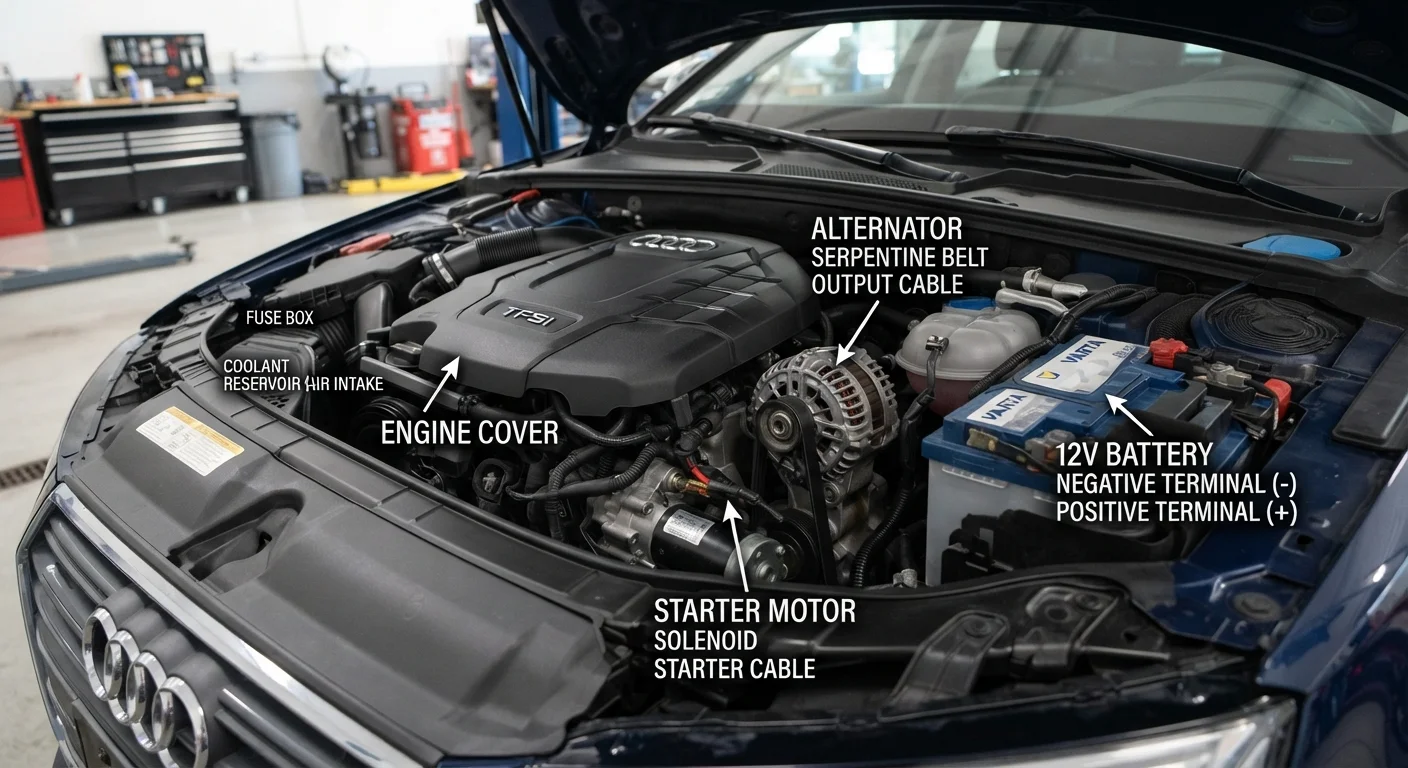
Mechanical and Under-Hood Checks
Tires and Brakes
Interior and Electronics
Tools You'll Need
You don't need a mechanic's garage to do a solid used car inspection, but having the right resources on hand makes the process faster and more reliable. Gather these before you meet with any seller.
VIN decoder / vehicle history report service
Pulls accident history, title status, ownership records, and odometer data tied to the vehicle's unique identification number.
NHTSA recall lookup (nhtsa.gov)
Free government database for checking open safety recalls by VIN - no account required.
Tread depth gauge
Measures remaining tire tread to confirm safe wear levels on all four tires.
Flashlight
Illuminates undercarriage, wheel wells, engine bay corners, and trunk areas that are difficult to see in low light.
Independent licensed mechanic
Performs a pre-purchase inspection to identify mechanical issues not visible during a standard walkthrough.
Lien search service or state DMV inquiry
Confirms whether any outstanding loans or encumbrances exist against the vehicle's title.
Red Flags to Watch for During the Test Drive
The test drive is your most direct read on a vehicle's actual condition. Drive it on surface streets and at highway speeds if possible. Pay attention to how it feels, not just how it looks.
- Pulling to one side - could indicate alignment problems, uneven tire wear, or brake issues.
- Unusual noises - clunks, squeals, or grinding under braking point to worn brake components.
- Hesitation or rough shifting - automatic transmissions should shift smoothly; any slipping or delay deserves scrutiny.
- Warning lights on the dash - especially the check engine light. See what that light is actually telling you before assuming it's minor.
- Excessive exhaust smoke - blue smoke suggests burning oil; white smoke can indicate coolant leaks.
Don't Skip the Independent Inspection
Even if a seller provides a history report, that report only reflects what was reported to insurers or authorities - not every mechanical defect or undisclosed repair. A licensed mechanic who has no financial stake in the sale is the only reliable way to catch hidden problems. Budget roughly $100-$200 for a pre-purchase inspection; it's far cheaper than an unexpected repair bill.
Seller Pressure Is a Warning Sign
Any seller - private party or dealer - who pushes back on your request for a vehicle history report, an independent inspection, or adequate time to review the title should be approached with serious caution. Legitimate sellers understand and expect buyers to do their due diligence.
If the seller discourages a test drive or limits where you can go, treat that as a serious red flag.
After You Buy: What Comes Next
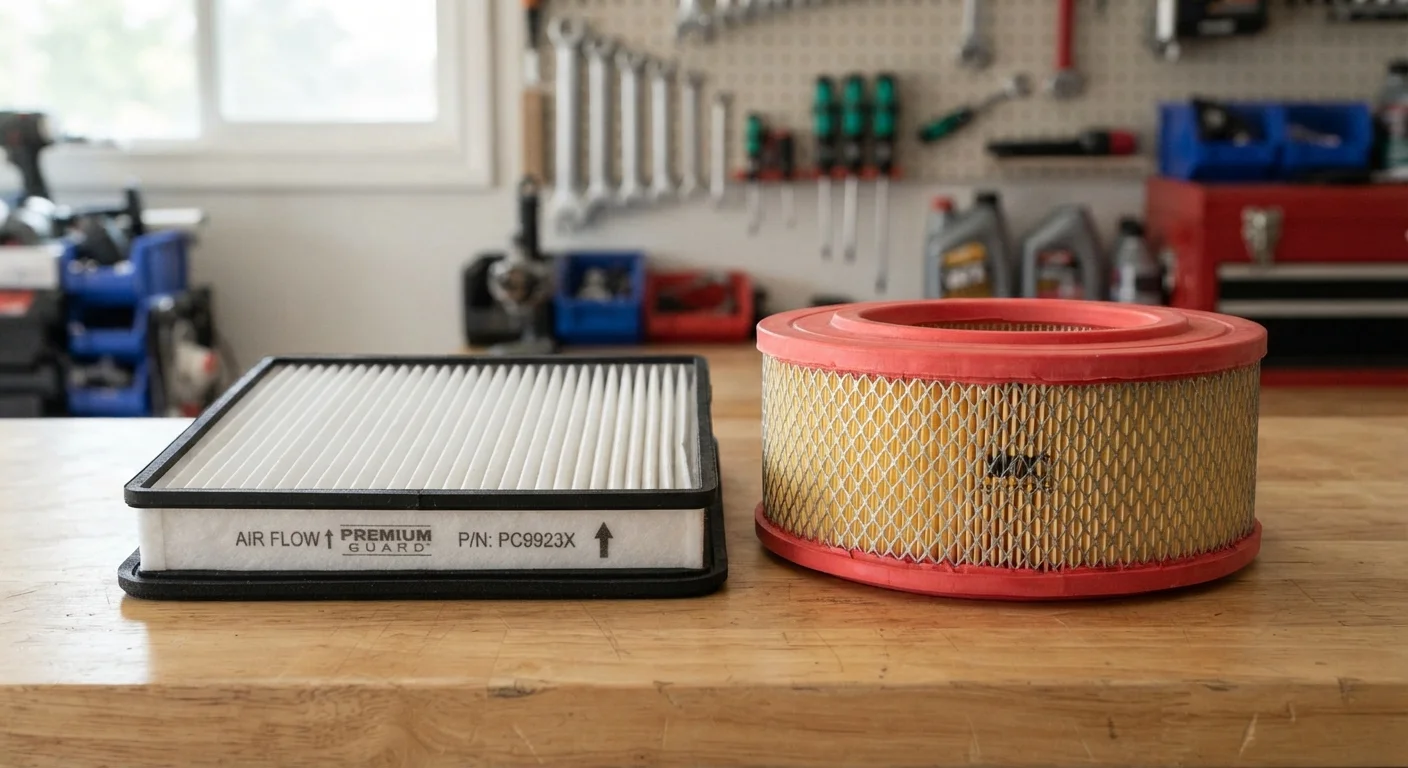
Once you've completed your checks and made the purchase, the work isn't over. New-to-you vehicles often benefit from a fresh maintenance baseline - fluid changes, filter replacements, and a full tire inspection. Car Maintenance for New Drivers is a solid starting point if you're not sure what to prioritize first.
If you're considering a certified pre-owned (CPO) vehicle, understand that the CPO label doesn't mean the same thing across all manufacturers or dealers. Review what a CPO badge actually guarantees before assuming it equals a clean bill of health.
Title Problems Can Follow You After the Sale
Purchasing a vehicle with a salvage, flood, or rebuilt title significantly affects your ability to obtain standard insurance coverage and can reduce resale value substantially. Some states also restrict rebuilt-title vehicles from certain roadways or require additional inspections before registration. Verify title status through your state's DMV or an official title search - don't rely solely on the seller's word or a printed report.