
What the Light Actually Means
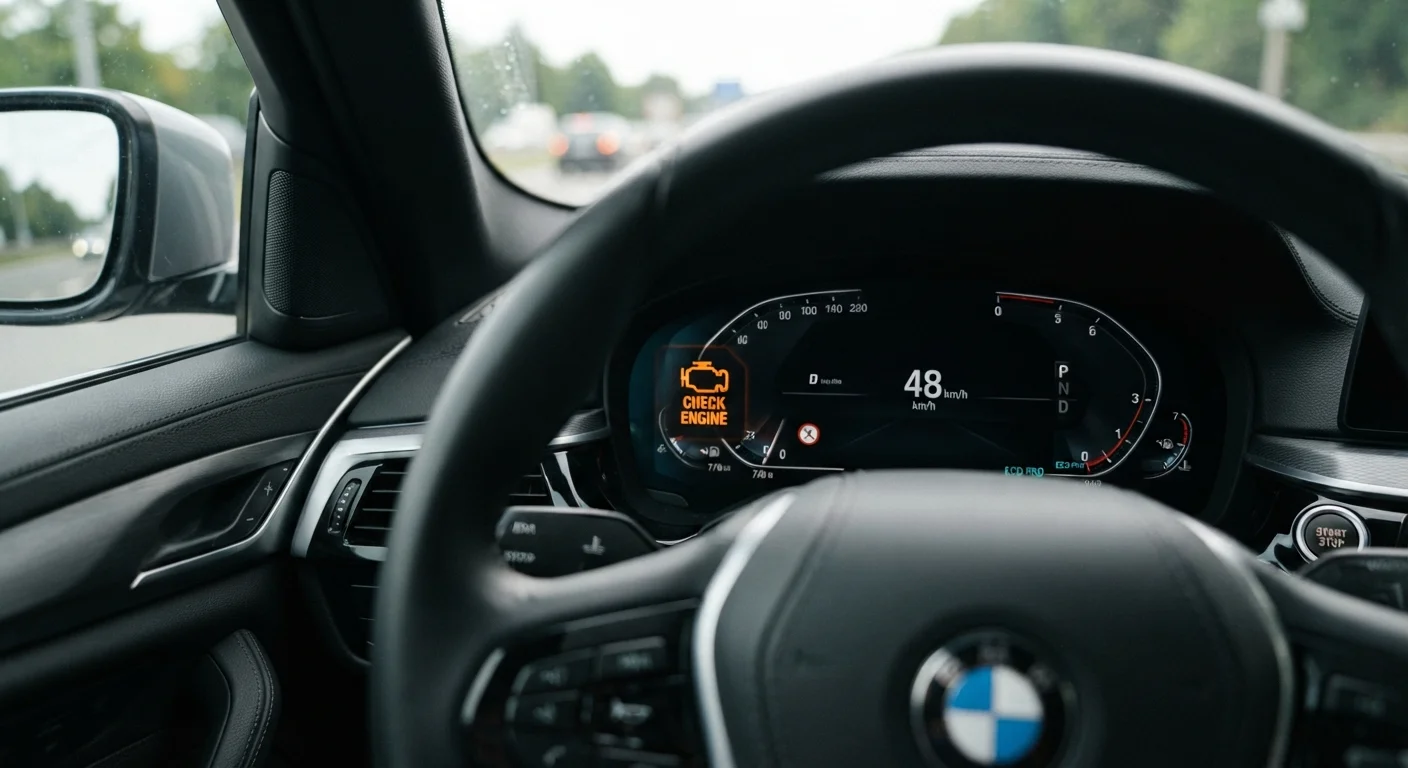
Your car's OBD-II system continuously monitors dozens of sensors and systems - from oxygen sensors and fuel injectors to the transmission and emissions controls. When a reading falls outside acceptable parameters and the system can't self-correct, it stores a diagnostic trouble code and switches on the check engine light.
The light itself is binary: it's either on or it isn't. It can't tell you if the problem is minor or serious - that requires reading the stored code. Think of it as a notification flag, not a diagnosis. The fault code is the actual message; the light is just the alert that a message exists.
For new drivers especially, understanding this distinction matters. See the car maintenance overview for new drivers for broader context on what warning lights mean in the bigger picture of vehicle health.
Check Engine vs. Other Warning Lights
The check engine light is separate from lights like the oil pressure warning or temperature gauge - those typically require you to stop the vehicle immediately. The check engine light is specifically tied to the OBD-II emissions and engine management system. Always consult your owner's manual to confirm what each dashboard symbol means for your specific vehicle.
Steady vs. Flashing: The Urgency Difference
Not all check engine lights carry the same urgency, and the behavior of the light is the first clue.
- Steady light: Indicates a fault that's present but not immediately catastrophic. Common causes include a loose gas cap, a faulty oxygen sensor, or an emissions system issue. You should still get it checked within a few days - ignoring it can mask new faults and lead to larger repairs.
- Flashing or blinking light: This is a serious warning. A flashing light almost always points to an active engine misfire - unburned fuel entering the exhaust system. This can destroy a catalytic converter (an expensive component) within minutes of continued driving. Pull over safely when traffic allows and have the vehicle towed or inspected before driving further.
400+
Possible OBD-II diagnostic trouble codes
The OBD-II standard defines hundreds of standardized fault codes covering engine, transmission, emissions, and other vehicle systems.
~$0
Cost to read a check engine code
Many auto parts retailers in the US offer free OBD-II code reading as a customer service, giving drivers a starting point before seeing a mechanic.
Common Triggers You Should Know
While hundreds of fault codes exist, a handful of causes account for the majority of check engine light incidents in everyday vehicles:
- Loose or faulty gas cap
- One of the most frequent triggers. The evaporative emissions system detects vapor escaping from an improperly sealed fuel system. Tighten or replace the cap and monitor whether the light clears over a few drive cycles.
- Oxygen (O2) sensor failure
- Oxygen sensors measure exhaust gases to help the engine management system fine-tune fuel delivery. A failing sensor can reduce fuel efficiency and, over time, damage the catalytic converter.
- Catalytic converter issues
- Often a downstream consequence of other ignored faults. A failing catalytic converter will also cause an emissions test failure.
- Mass airflow (MAF) sensor fault
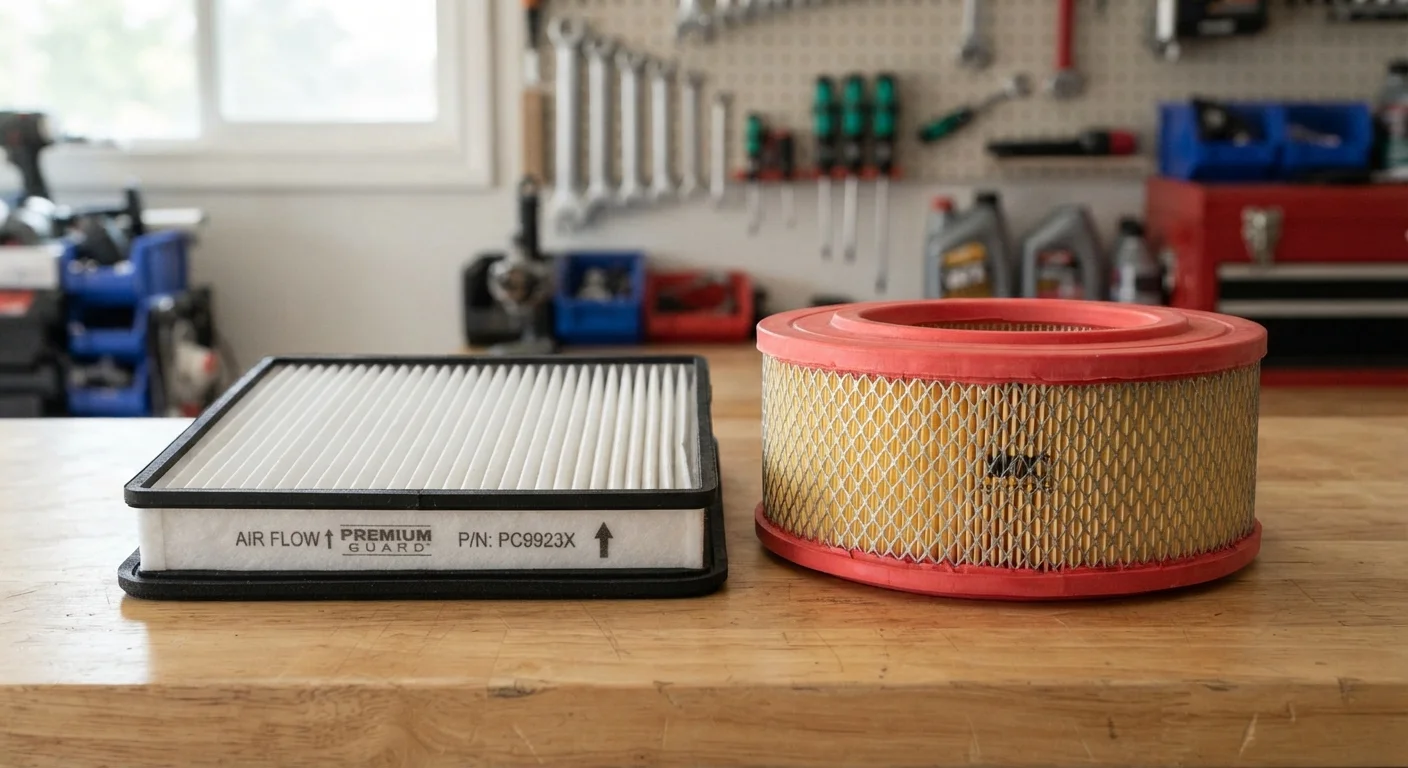
- The MAF sensor measures how much air enters the engine. Dirt or damage here affects fuel mixture and engine performance.
- Spark plug or ignition coil problems
- Worn spark plugs or failing ignition coils cause misfires - a primary reason for a flashing check engine light.
Your owner's manual may list vehicle-specific warning light guidance worth reviewing alongside any diagnostic code you retrieve.
What to Do When the Light Comes On
Stay calm and follow a logical sequence rather than either panicking or ignoring it entirely.
- Check the behavior. Steady? Proceed with caution. Flashing? Treat it as urgent and avoid extended driving.
- Check the gas cap. A simple first step - remove it, reseat it firmly, and see if the light clears after a few driving cycles.
- Get the code read. Many auto parts retailers offer free OBD-II code reading. The code gives you and any mechanic a starting point, not a definitive repair verdict.
- Assess other symptoms. Is the car running roughly? Losing power? Stalling? These symptoms alongside the light narrow the urgency and likely cause.
- Consult a qualified mechanic. A code points to a system; a mechanic diagnoses the specific fault. For guidance on deciding what's a DIY job vs. a shop job, see DIY vs. taking it to a shop.
Keep a Simple OBD-II Reader in Your Glove Box
Basic Bluetooth OBD-II adapters that pair with a smartphone app are widely available and inexpensive. Having one means you can pull a fault code yourself the moment the light appears - before driving to a shop. This doesn't replace a mechanic's diagnosis, but it gives you useful information going in.
If you're evaluating a used vehicle and spot a check engine light, treat it as a significant red flag. The used car inspection checklist covers how to approach this properly before any purchase decision.