
Why a Service History Is More Valuable Than Most Drivers Realize
Most drivers think of vehicle maintenance records as paperwork - something to toss in the glove box and forget. In reality, a well-kept service history is one of the most practical tools you have as a car owner.
When a mechanic can see exactly what's been done and when, they diagnose problems faster and avoid redundant work. A documented history also protects you during warranty disputes, since manufacturers typically require proof that scheduled maintenance was performed. And when it comes time to sell or trade in your vehicle, buyers and dealers pay more attention to service records than many sellers expect.
If you're newer to car ownership, understanding what actually needs attention is a good starting point before you begin logging anything.
Up to $500+
Potential resale premium from documented service history
Industry appraisers and used-car guides consistently note that verifiable maintenance records can support higher asking prices in private-party sales.
1 in 3
Used-car buyers who cite service history as a top purchase factor
Consumer research from automotive market studies indicates that service documentation is among the most commonly cited factors influencing used-vehicle purchase decisions.
What to Record - and What You Can Skip
Not every note needs to be a novel, but each entry should capture five things: the date, the odometer reading, what was done, what parts or fluids were used, and what it cost. That's it. Consistency is more useful than detail.
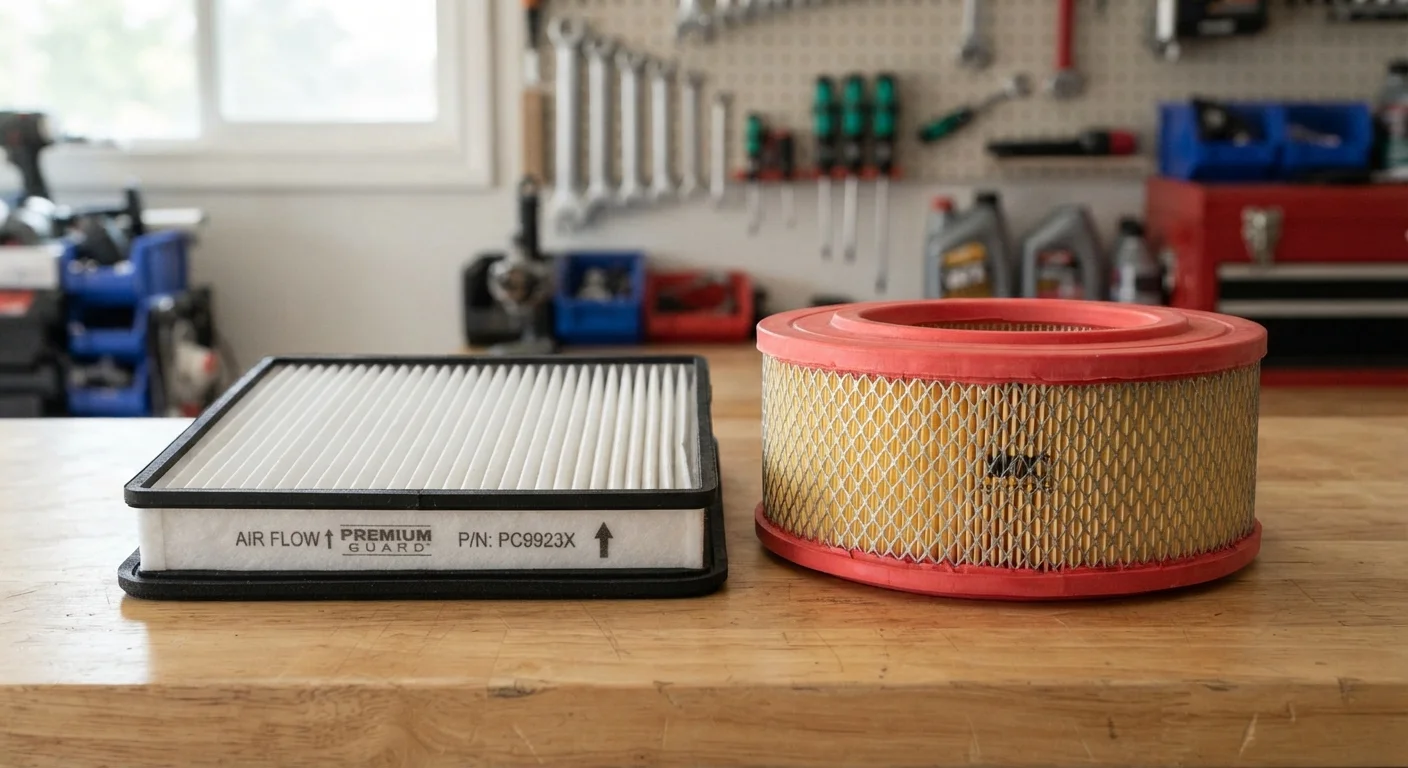
Record everything: oil changes, tire rotations, brake inspections, filter replacements, fluid top-offs, and any repairs - even minor ones. If you replaced a cabin air filter yourself on a Saturday afternoon, write it down. DIY work counts, and future mechanics will want to know.
You don't need to log fuel fill-ups or routine washes unless you're tracking fuel economy separately. Keep the log focused on mechanical and maintenance events.
Choosing a Format That You'll Actually Use
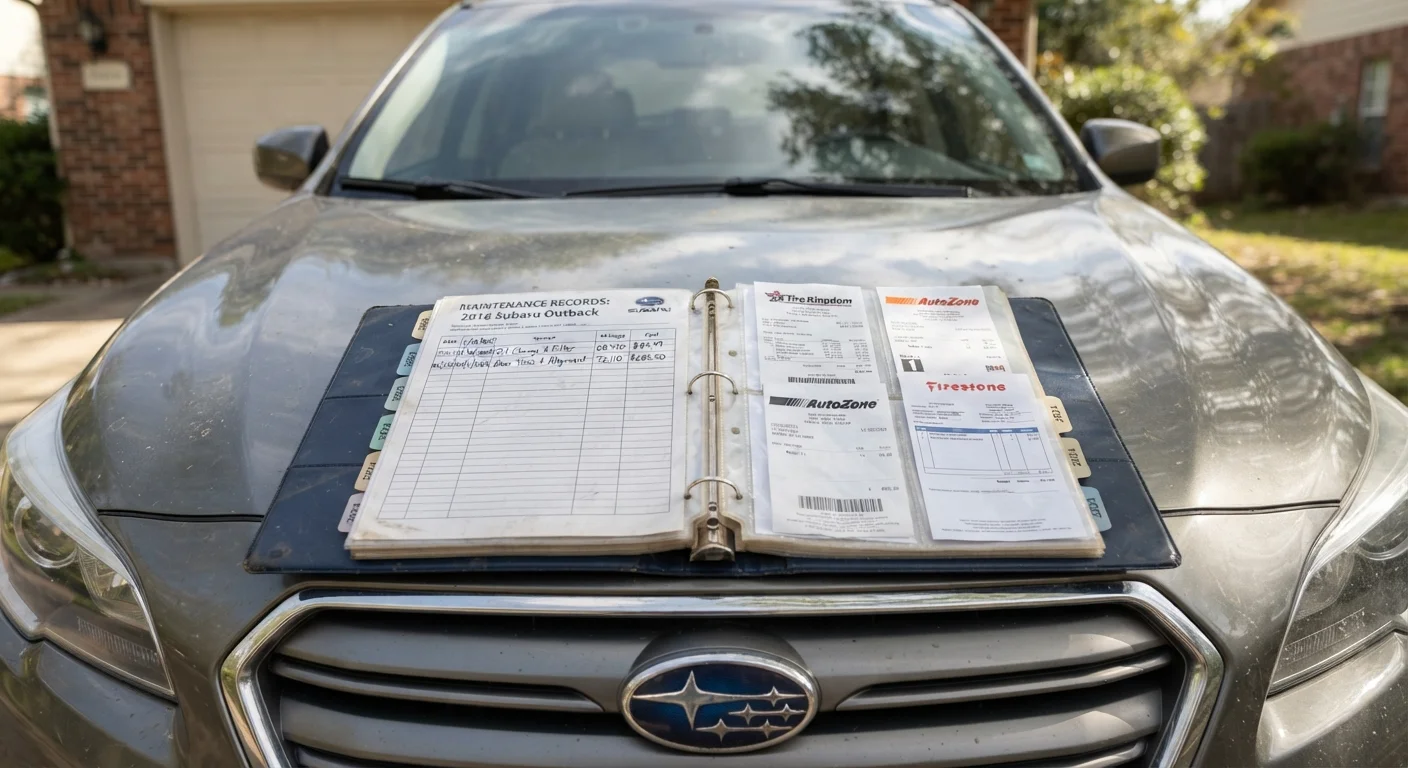
The best record-keeping system is the one you'll stick with. Options range from a simple spiral notebook kept in the glovebox to dedicated apps that store photos of receipts and send service reminders.
A few approaches that work well in practice:
- Paper logbook: Inexpensive, always accessible, and doesn't require a phone or internet. Write entries right after each service visit before you forget.
- Spreadsheet: Easy to sort and search. Store it in a cloud service so it doesn't disappear if your laptop does.
- Maintenance tracking apps: Some connect to your VIN and pre-fill service schedules based on your make and model. Useful for reminders.
- Saved receipts folder: Whether physical or a scanned digital folder, keeping every shop receipt is a low-effort baseline if logging feels like too much.
Whatever you choose, link it to your service intervals. Not sure whether to follow time-based or mileage-based triggers? Our article on service interval guidance can help clarify which applies to your situation.
Transfer Records When You Buy a Used Vehicle
If you purchase a used car with existing service records, keep them. They form the baseline of your own log and may contain information about prior repairs that affects future maintenance decisions. Ask the seller for any receipts or documentation they have - most will provide them if asked directly.
Records at Resale and Beyond
When you eventually sell your vehicle, a clean and complete service log is a legitimate negotiating asset. It signals to buyers that the car was cared for - reducing the perceived risk of buying used. Private buyers increasingly run vehicle history reports, and gaps between reported service visits can raise questions you'd rather not answer.
For high-mileage vehicles especially, thorough records help distinguish a well-maintained car from one that's been neglected. Our maintenance overview for high-mileage vehicles outlines exactly what matters most once a car crosses 100,000 miles.
Records also protect you from being sold services you've already had done. If a shop recommends a transmission fluid flush and your log shows it was done 8,000 miles ago, you have evidence. That's not paranoia - it's just good practice.