A practical look at how temperature extremes affect your car and which maintenance tasks matter most each season.
Key Takeaways
Extreme temperatures stress batteries, tires, and fluids more than moderate driving ever will.
Seasonal prep twice a year - fall/winter and spring/summer - covers most climate-related wear.
Tire pressure and battery health are the two most commonly neglected seasonal checks.
Many seasonal tasks take under 10 minutes but can prevent costly repairs down the road.
When in doubt, have a qualified mechanic inspect systems you're not comfortable checking yourself.
Why Seasonal Changes Are Hard on Vehicles
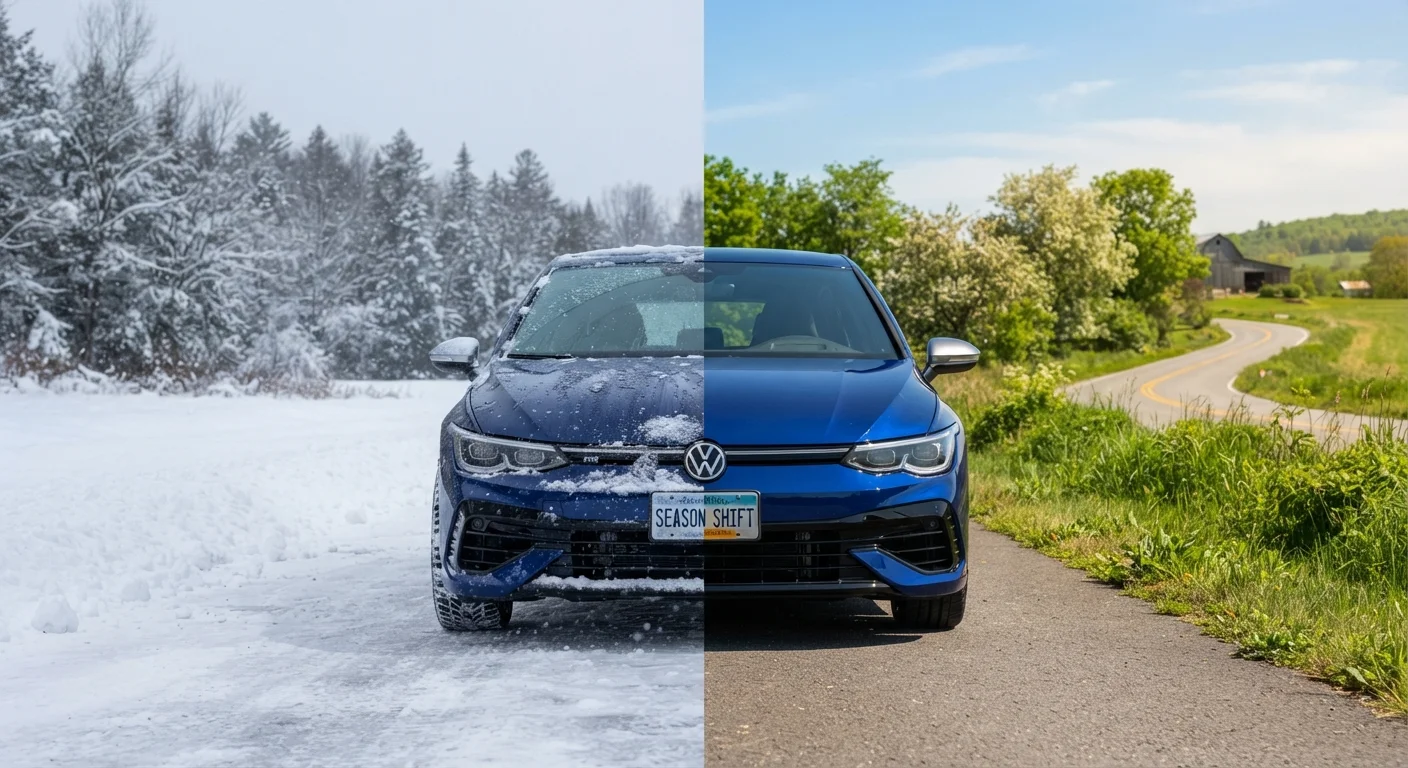
Your car doesn't experience seasons the way you do. It experiences thermal stress - contracting metal, thickening fluids, weakened rubber seals, and a battery that loses capacity every time the temperature drops. Most mechanical failures that strand drivers in winter or summer aren't random; they're the predictable result of skipping routine checks before conditions shift.
Cold weather thickens engine oil and brake fluid, reduces tire pressure, and cuts battery output significantly. Heat accelerates coolant breakdown, overworks the air conditioning compressor, and causes tires to run hotter and at higher pressure. Neither extreme is forgiving of deferred maintenance.
This checklist covers what to inspect and address before each major seasonal transition. If you're new to vehicle ownership, our car maintenance primer for new drivers explains why each of these systems matters in plain language. For high-mileage vehicles, additional scrutiny is warranted - see our maintenance overview for high-mileage vehicles for what deserves extra attention past 100,000 miles.
Don't Skip the Battery Check
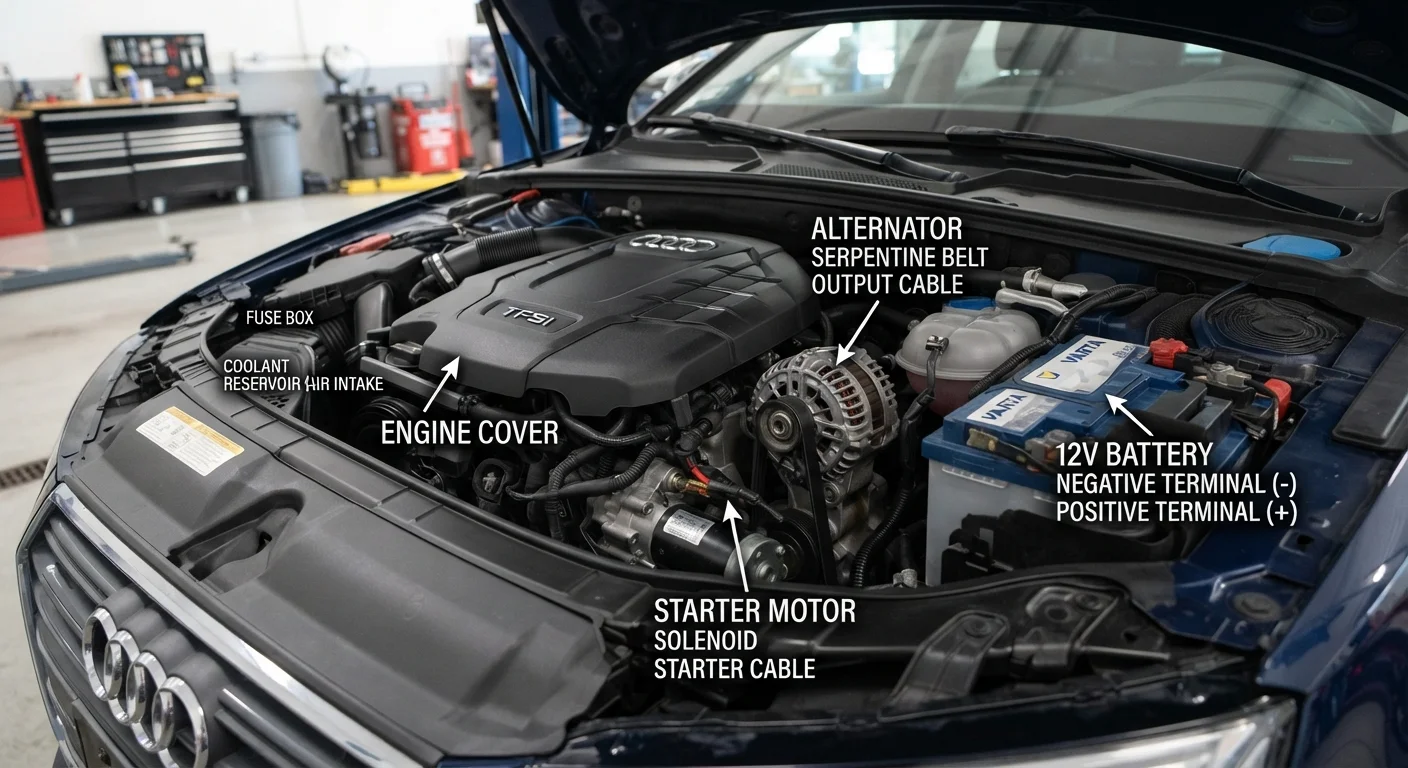
Cold weather can cut a battery's cranking power by 30-50%, and a battery that starts fine in October may not turn the engine over in January. Battery failure is one of the leading causes of winter roadside calls. If your battery is more than three years old or has never been tested, make this the first item you address - not the last.
Tools and Resources You'll Need
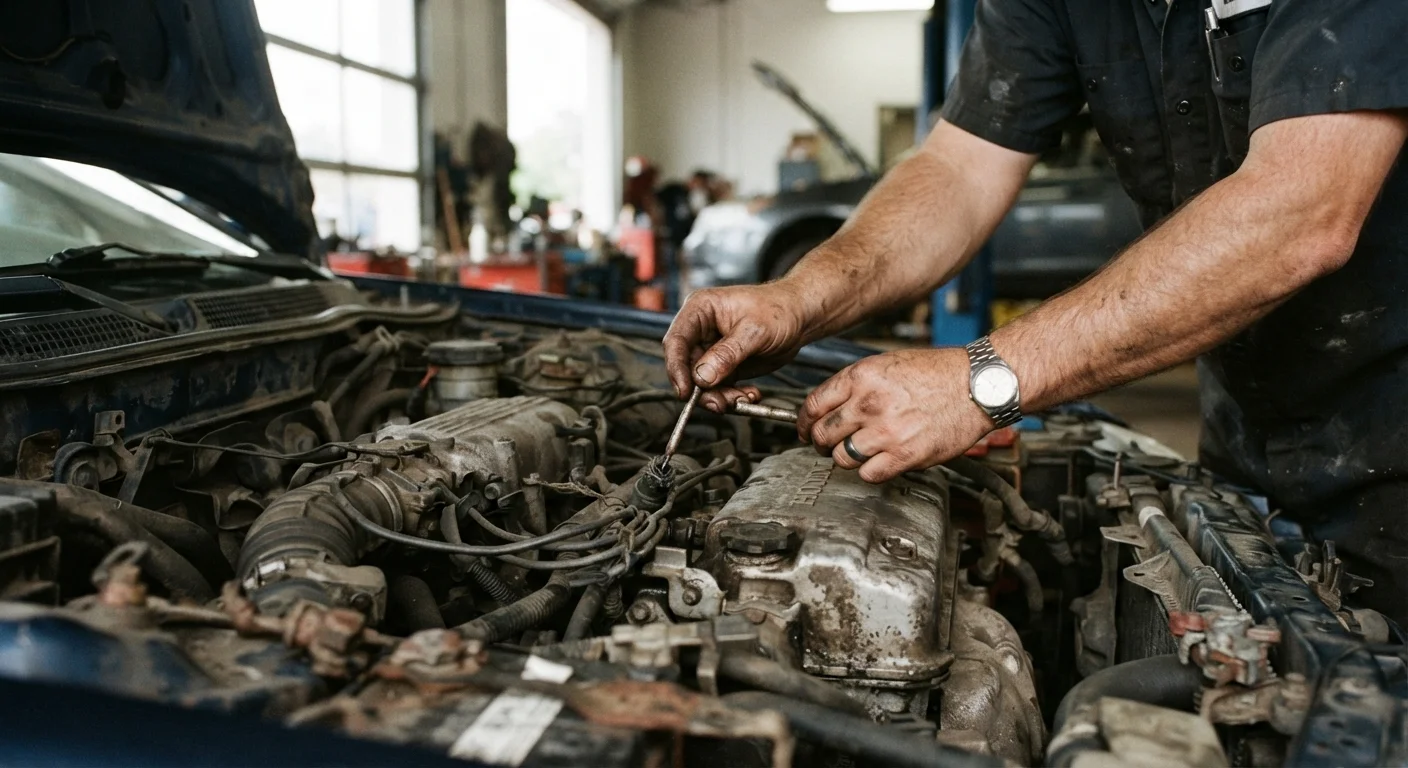
You don't need a fully equipped garage to work through this checklist. Most checks are visual or use basic handheld tools. For tasks beyond your comfort level, a qualified mechanic or dealership service department is the right call - especially for brake inspections and coolant flushes.
Required
Tire pressure gauge
Accurately measures PSI in each tire so you can adjust to the manufacturer's specification.
Required
Battery load tester or voltmeter
Assesses battery voltage and cranking capacity to flag failure risk before cold weather sets in.
Required
Coolant/antifreeze tester
Verifies that your coolant mixture provides adequate freeze-point protection for your climate.
Required
Tread depth gauge or quarter coin
Measures remaining tire tread to determine whether replacement is needed before winter.
Optional
Flashlight or work light
Allows you to inspect hoses, belts, and undercarriage areas without sufficient natural light.
Required
Qualified mechanic or dealership service
Handles brake inspections, coolant flushes, AC recharges, and any task beyond safe DIY scope.
The Seasonal Maintenance Checklist
Work through both groups relevant to the upcoming season. The fall/winter group should be completed before temperatures regularly drop below 40°F. The spring/summer group is best done once overnight lows are consistently above freezing.
Fall & Winter Preparation
Test your battery with a load tester or have a mechanic do it - batteries under 12.4 volts at rest or more than three years old are at elevated risk of failure in cold weather.Must
Check tire pressure and adjust to the manufacturer's specification (found on the door jamb sticker), not the maximum listed on the tire sidewall - pressure drops roughly 1 PSI for every 10°F decrease in temperature.Must
Inspect tire tread depth using a quarter: if Washington's head is fully visible when inserted into the tread groove, the tires are worn and should be replaced before winter driving.Must
Switch to winter tires if you live in a region with sustained snow or ice - all-season tires lose significant grip below 45°F.Should
Check engine oil viscosity; if your vehicle uses a single-weight or higher-viscosity oil, verify it meets cold-start requirements for your climate per the owner's manual.Must
Inspect and top off antifreeze (coolant), and verify the freeze-point protection level with an inexpensive tester strip or float-ball tester.Must
Replace windshield wiper blades if streaking or skipping, and consider winter-specific blades designed to shed ice and snow buildup.Should
Fill your windshield washer reservoir with a rated winter formula - standard washer fluid can freeze in the lines and nozzles.Must
Test all exterior lights including brake lights and turn signals, replacing any burned bulbs before road visibility worsens.Should
Keep a basic winter emergency kit in your trunk: ice scraper, jumper cables or a jump-start pack, a blanket, and a small bag of sand or kitty litter for traction.Nice to have
Spring & Summer Preparation
Inspect brake pads and rotors - winter driving accelerates brake wear, and spring is the right time to catch deterioration before summer heat makes stopping distances worse.Must
Check tire pressure again as temperatures rise - pressure increases roughly 1 PSI for every 10°F of heat gain, which can push tires beyond their optimal operating range.Must
Rotate tires if not done recently to ensure even wear across all four, extending tire life and maintaining predictable handling.Should
Inspect the cooling system hoses and radiator cap for cracks, softness, or leaks - summer heat puts maximum demand on the cooling system.Must
Have the air conditioning system checked for refrigerant level and compressor function before peak heat - recharging or repairing early avoids longer shop wait times mid-summer.Should
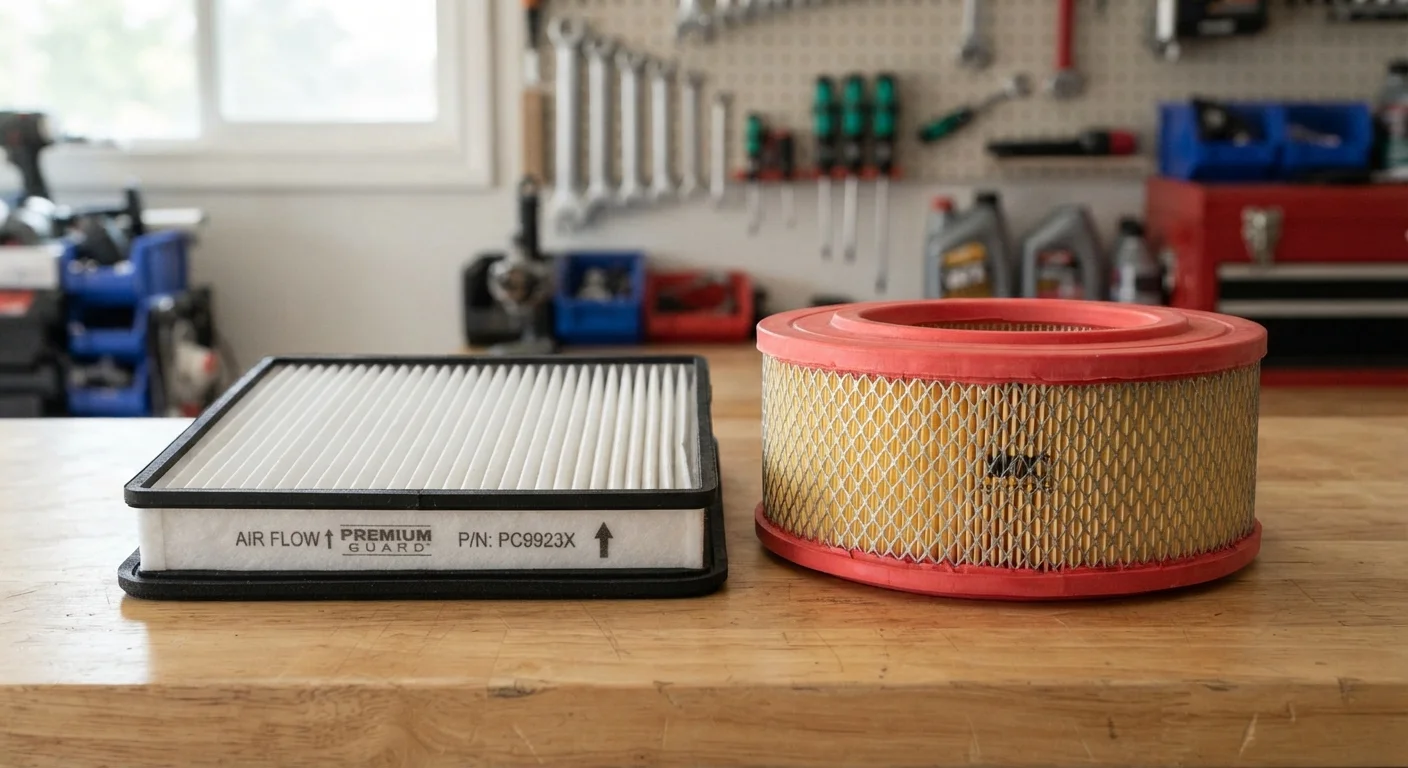
Replace the cabin air filter if it's dusty or hasn't been changed in the past year - a clogged filter strains the AC blower and reduces interior air quality.Should
Check engine air filter and replace if visibly dirty, as summer heat combined with a restricted filter reduces fuel efficiency and performance.Should
Wash the undercarriage thoroughly to remove road salt, sand, and de-icing chemicals applied during winter that accelerate corrosion on brake lines and frame components.Must
Inspect wiper blades again and switch back to standard blades if winter blades were used, as they wear faster in warm, dry conditions.Nice to have
Check all fluid levels - brake fluid, power steering fluid, and transmission fluid - topping off or scheduling a flush if the fluid appears dark or contaminated.Should
Inspect belts and hoses for cracking or fraying that may have worsened over winter thermal cycling.Should
Test your battery again - heat is actually harder on battery chemistry long-term than cold, and a battery that survived winter may still fail during a summer heat wave.Should
Brake and Coolant Work: Know Your Limits
Brake system inspection and coolant system flushing involve safety-critical components. If you haven't done these before, have a licensed mechanic perform them rather than improvising. Brake fluid absorbs moisture over time and can lower the fluid's boiling point - degraded fluid is not always visible to the naked eye. Similarly, mixing incompatible coolant types can cause corrosion inside the engine. When in doubt, defer to a qualified professional.
Staying on top of these checks also means avoiding the quiet damage that compounds over time. Our guide on maintenance habits that shorten a car's lifespan covers the most common oversights drivers don't realize are accelerating wear.
Automobiles Editorial Team is the collective byline for our editorial team and contributor network. Articles published under this byline or an editorial pen name are researched, written, and reviewed according to our editorial standards for clarity, consistency, and independence before publication.
The content on this site is for informational purposes only and is not a substitute for professional advice. Always consult a qualified professional for guidance specific to your situation.