
What Sets These Two Oils Apart
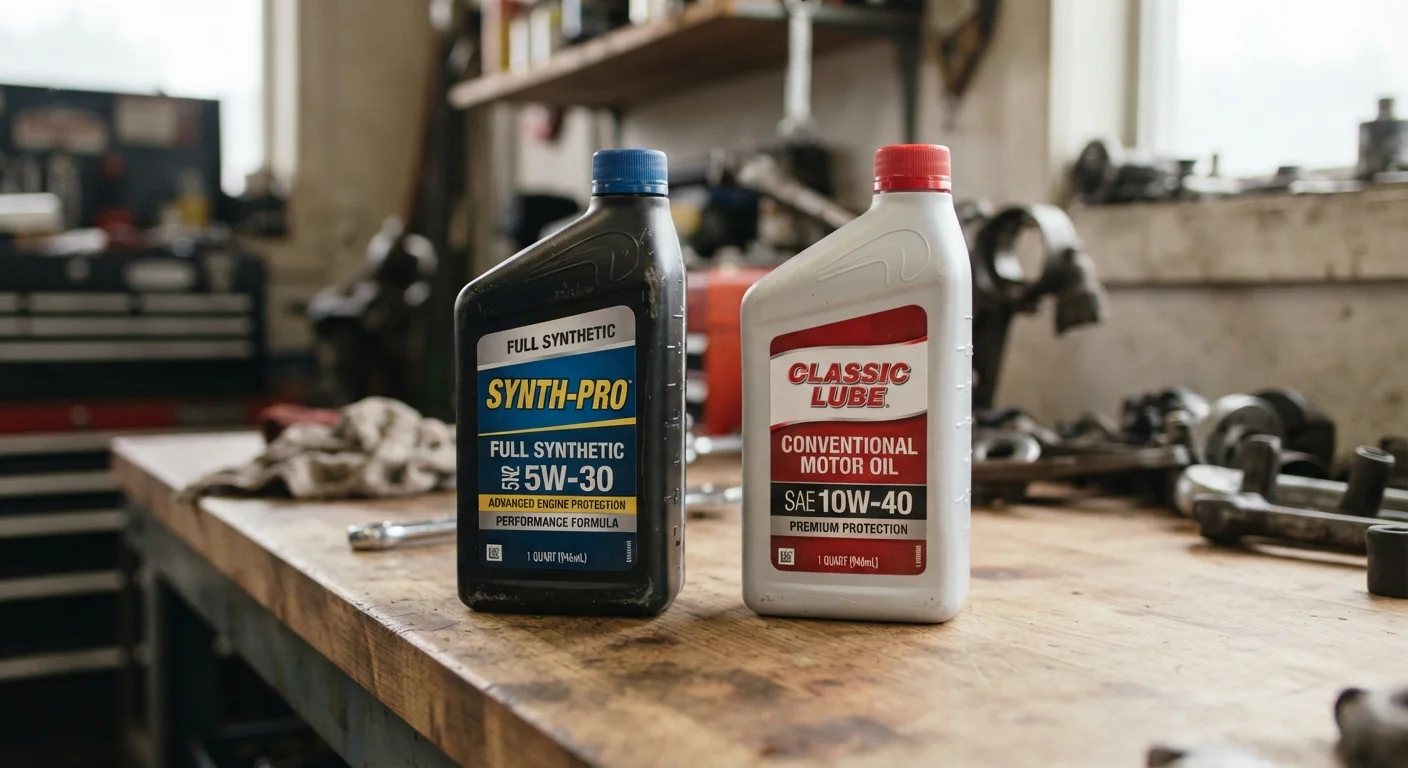
The fundamental difference is origin and refinement. Conventional motor oil starts as crude oil pulled from the ground, then refined to remove impurities. The result is a functional lubricant, but one with naturally irregular molecular structures. Synthetic motor oil, by contrast, is built in a lab - either synthesized from chemically modified petroleum components or fully constructed from base chemicals - giving engineers precise control over molecular uniformity.
That uniformity matters. More consistent molecules flow more predictably across a wide temperature range, break down more slowly under heat, and resist oxidation longer. That's the core engineering advantage of synthetic oil, and it's why many modern engines are designed with it in mind.
It's worth noting that synthetic blend oils exist as a middle ground - a mixture of conventional base oil with some synthetic components. They offer modest performance improvements over pure conventional at a lower price than full synthetic.
| Criterion | Synthetic Motor Oil | Conventional Motor Oil |
|---|---|---|
| Base origin | Chemically engineered base stocks | Refined crude oil |
| Molecular consistency | Highly uniform | Naturally variable |
| Cold-weather performance | Flows faster at low temperatures | Thickens more at cold start |
| Heat resistance | Breaks down more slowly under heat | More prone to thermal breakdown |
| Typical drain interval | 7,500-10,000+ miles (varies by vehicle) | 3,000-5,000 miles (varies by vehicle) |
| Cost per quart | Generally higher | Generally lower |
| Required by manufacturer | Many turbocharged and modern engines | Some older or simpler engine designs |
When the Difference Actually Matters for Your Engine
For a lightly loaded four-cylinder engine doing short city commutes in a mild climate with regular oil changes, conventional oil may perform perfectly adequately. The engineering edge of synthetic becomes most meaningful under specific conditions:
- Cold starts: Oil thickens when cold. Synthetic flows to engine components faster at low temperatures, reducing the wear that happens in the first seconds after ignition.
- High heat and sustained loads: Towing, track driving, or long highway runs push oil temperatures up. Synthetic resists thermal breakdown better.
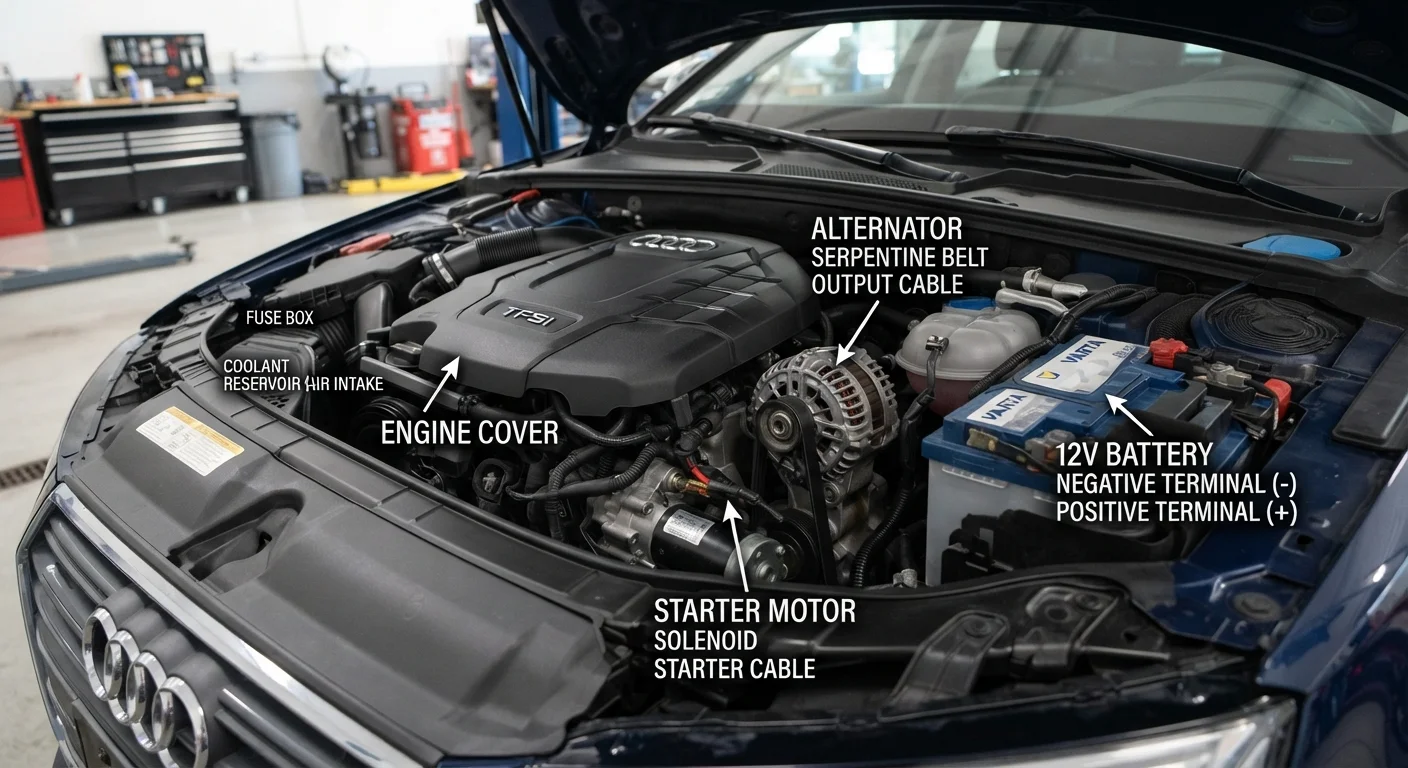
- Turbocharged engines: Turbos run extremely hot and rely on oil flowing through tight clearances. Most turbocharged vehicles require synthetic by design.
- Extended drain intervals: Synthetic oil is generally rated for longer intervals - often 7,500 to 10,000 miles or more depending on the product and vehicle - compared to the traditional 3,000-mile guidance associated with conventional oil.
That said, longer intervals only make sense if your vehicle and driving style support them. Frequent short trips, stop-and-go traffic, and dusty environments all degrade oil faster regardless of type. Always cross-reference any interval guidance with your owner's manual. See our guide to using your owner's manual for help decoding exactly what your vehicle needs.
~75%
New US vehicles recommending or requiring synthetic
Industry estimates suggest the large majority of new vehicles sold in the US are now factory-filled with synthetic or synthetic-blend oil.
5,000-10,000 mi
Typical modern oil change interval range
Many manufacturers have moved well beyond the old 3,000-mile guideline; intervals vary significantly by vehicle and oil type.
Making the Right Call for Your Vehicle
The single most reliable source for this decision is your vehicle's owner's manual. It specifies the required oil viscosity grade (such as 5W-30) and whether synthetic is required, recommended, or simply acceptable. If your manual says synthetic is required - follow it. Using conventional oil in an engine built around synthetic specifications can accelerate wear and may affect warranty coverage.
If your manual doesn't specify synthetic, you generally have flexibility. Switching from conventional to full synthetic mid-life is safe for most modern engines, but there's no mechanical benefit to upgrading if your engine wasn't designed to take advantage of it.
Cost is a real consideration. Synthetic oil typically costs more per quart, though extended drain intervals can offset some of that difference over time. Whether the math works in your favor depends on your vehicle, annual mileage, and labor costs if you're not doing the change yourself. For guidance on that decision, see DIY versus shop maintenance.
If you're a newer driver getting acquainted with car ownership basics, our maintenance overview for new drivers covers the broader context of how oil fits into your regular maintenance schedule.
Viscosity Grade Still Matters Most
Whether you choose synthetic or conventional, using the correct viscosity grade specified in your owner's manual is non-negotiable. A high-quality conventional oil in the right grade will protect your engine better than a synthetic in the wrong grade. Look for the API service category and viscosity rating (e.g., 5W-20, 0W-40) on the bottle and match it precisely to your manual's specification.