
The Case for Doing It Yourself
A meaningful slice of routine car maintenance involves tasks that are low-risk, well-documented, and require only basic tools. Doing these yourself can save money and build genuine familiarity with your vehicle. The key is being honest about what falls into this category.
Tasks most drivers can handle at home:
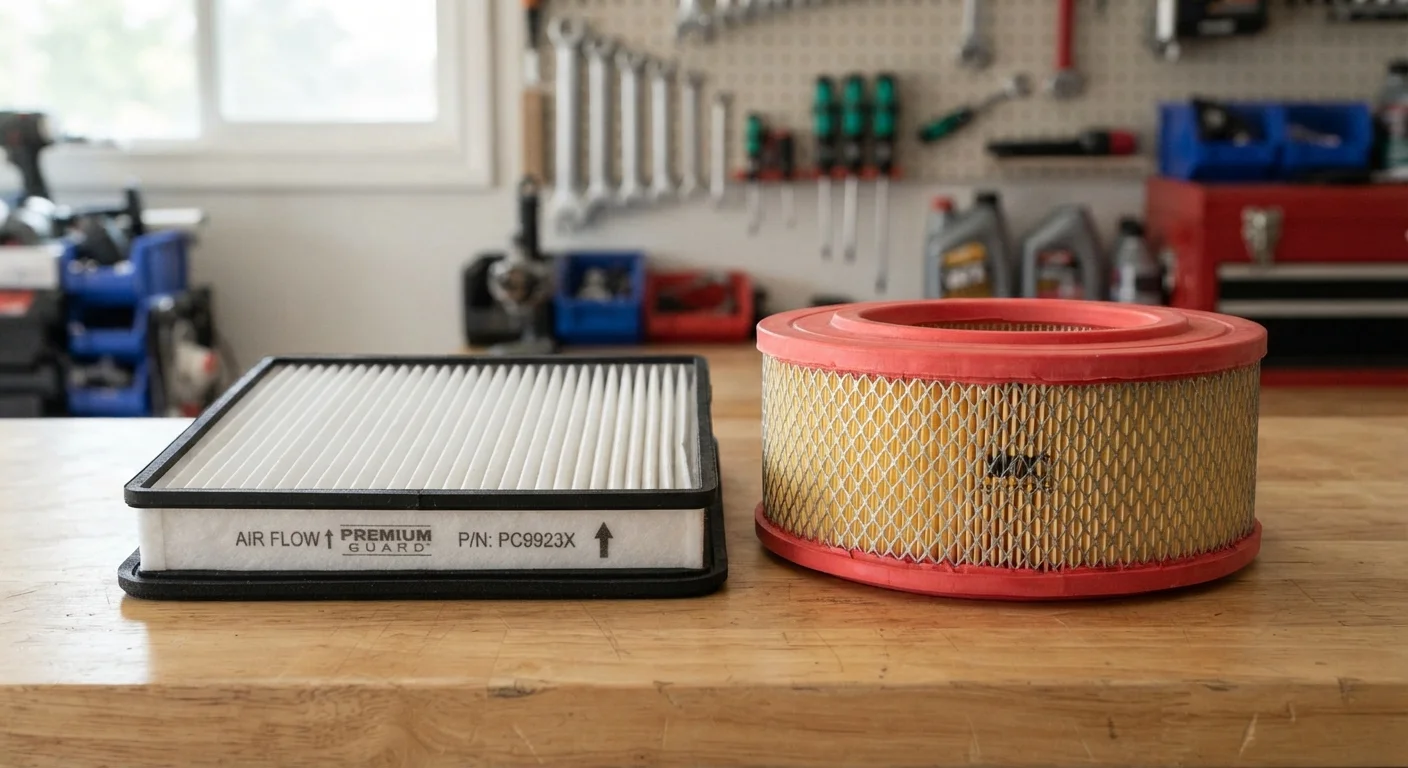
- Engine air filter replacement - typically involves unclipping a housing, swapping the filter, and closing it back up. No special tools needed.
- Cabin air filter replacement - usually accessible behind the glove box or under the dashboard. Takes under 15 minutes in most vehicles.
- Wiper blade replacement - straightforward and inexpensive; the packaging typically includes vehicle-specific instructions.
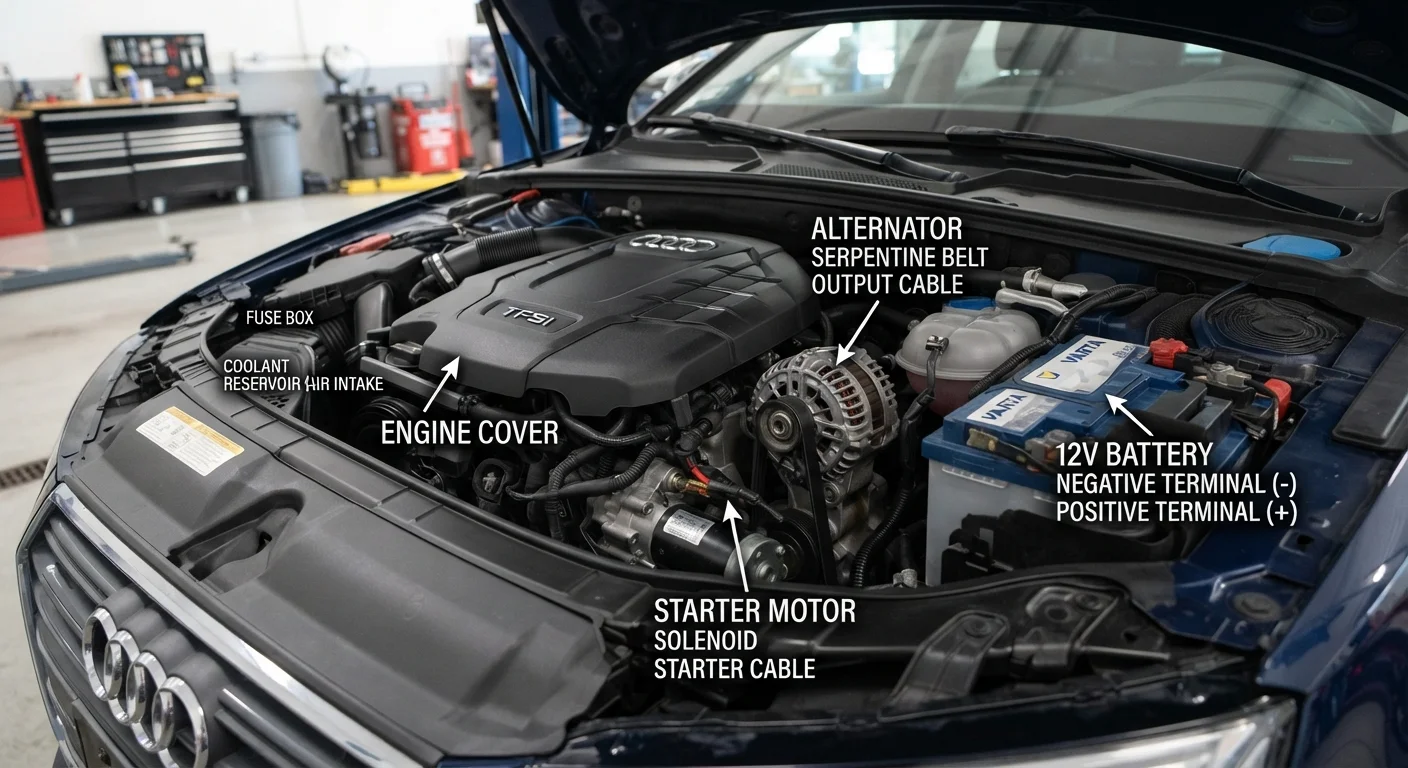
- Checking and topping off fluids - coolant, windshield washer fluid, and power steering fluid reservoirs are clearly labeled under most hoods.
- Battery terminal cleaning - a wire brush and some baking soda solution handle corrosion buildup safely.
- Tire pressure checks - requires only an inexpensive gauge and takes two minutes.
Before tackling any of these, consult your owner's manual - it specifies the correct filter part numbers, fluid types, and service intervals for your exact make and model.
Start With Low-Stakes Tasks to Build Confidence
If you're new to DIY maintenance, start with an air filter or cabin filter replacement. These tasks are low-cost, reversible if you make a mistake, and give you a chance to get comfortable under the hood. Build up gradually rather than jumping straight to an oil change or brake inspection on your first attempt.
Where DIY Has Real Limits
Some jobs look approachable on a tutorial video but involve systems where an error has serious consequences - for your safety, other road users, or the vehicle itself. This is where the line gets drawn.
Leave these to a qualified mechanic:
- Brake system work - pad replacement, rotor resurfacing, caliper rebuilds, and brake fluid flushes all require precision. An improperly bled brake line or a cross-threaded bleeder screw can cause brake failure.
- Suspension and steering components - ball joints, tie rods, and struts affect vehicle handling and tire wear. Incorrect installation can make a vehicle unpredictable at highway speeds.
- Timing belt or chain service - a mistimed engine can suffer catastrophic internal damage. This is exacting work.
- Airbag and SRS (Supplemental Restraint System) components - airbag systems can deploy accidentally during service. This is a legitimate injury risk.
- Diagnostic trouble codes beyond basic reads - a check engine light scan tool gives you a code, but interpreting and addressing the underlying cause often requires shop-level diagnostic equipment.
- Transmission service - fluid changes on some automatics are manageable, but internal transmission work is highly specialized.
Don't Let Tutorial Videos Oversimplify Risk
Online videos make many repairs look faster and easier than they are in practice. Variables like rust, seized fasteners, and vehicle-specific quirks can turn a 30-minute job into a multi-hour problem. If you're unsure at any point during a repair - especially on brake, steering, or fuel system components - stop and take the vehicle to a professional rather than pushing through.
Skipping or mishandling these repairs doesn't just risk a return to the shop - it can compound into much larger failures. As explored in why deferred maintenance leads to bigger bills, neglect in one system often stresses others.
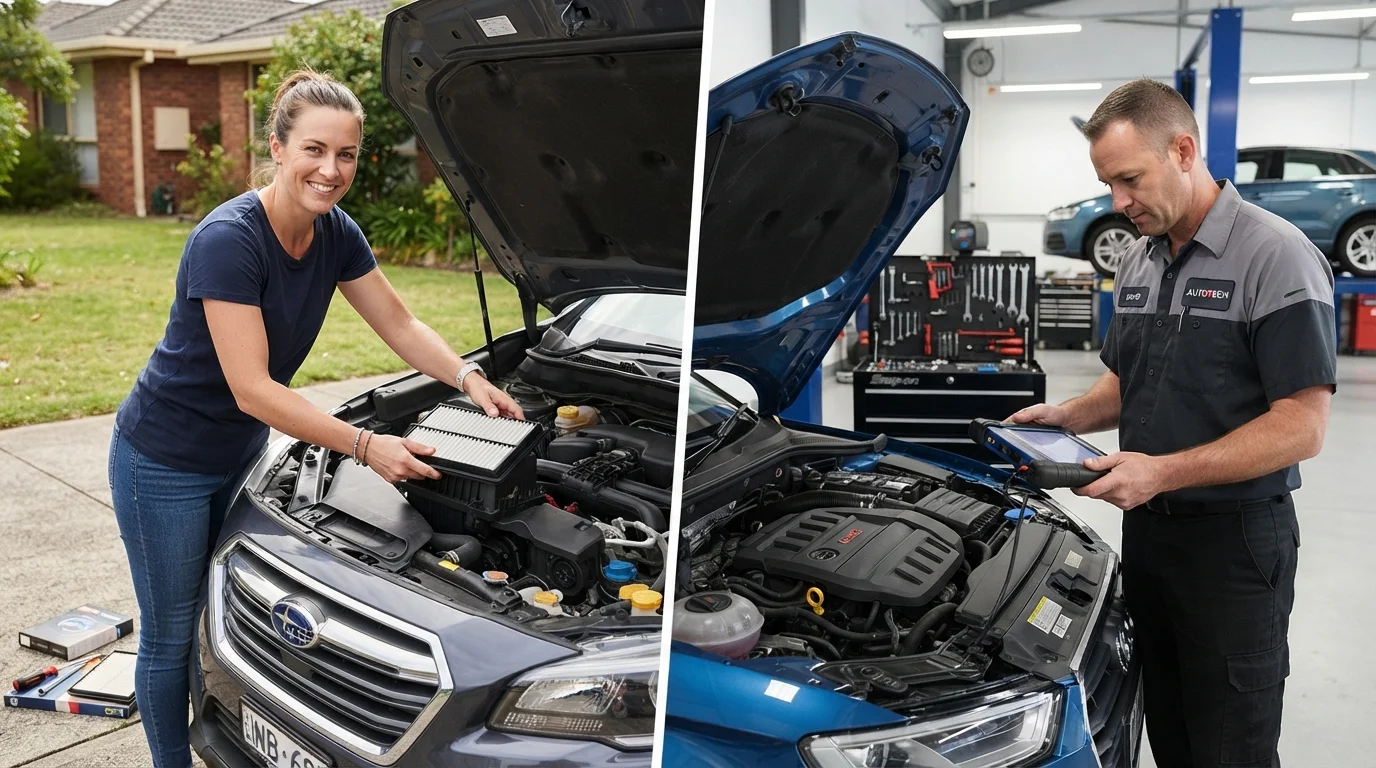
The Comparison: DIY vs. Professional Shop
Understanding the tradeoffs helps you make a rational decision rather than defaulting to one approach for every job.
| DIY Maintenance | Professional Shop | |
|---|---|---|
| Typical cost | Parts cost only | Parts plus labor |
| Safety risk (if done incorrectly) | Low for simple tasks | Mitigated by expertise and tools |
| Tools required | Basic hand tools | Specialized shop equipment |
| Warranty implications | May affect warranty - verify first | Typically warranty-safe |
| Best suited for | Filters, fluids, wipers, tires | Brakes, suspension, diagnostics |
| Documentation | Self-managed log required | Shop provides service record |
For oil changes, the decision often comes down to comfort level and vehicle access. Many modern vehicles have awkward drain plug placements or require special filter tools. If you have the ramps, tools, and correct oil spec - which your oil type guide can help clarify - it's a reasonable DIY task. If not, a shop is the practical choice.
Protecting Your Work and Your Vehicle
Whether a job is done at home or in a shop, documentation matters. A written record of every service - date, mileage, what was done, and what was used - protects your vehicle's resale value and helps any mechanic diagnose future issues faster. See how to build and maintain a service log for a practical approach.
One additional consideration: if your vehicle is under a manufacturer warranty or an extended service contract, verify what DIY work is permissible. Some warranties require that certain services be performed by a certified technician and documented accordingly. Performing non-approved work yourself - even correctly - can complicate a future warranty claim.
The goal isn't to do everything yourself or to outsource everything. It's to apply the right level of expertise to each task. Simple, low-risk maintenance done consistently at home is a legitimate and worthwhile habit. Safety-critical or technically complex repairs done by a qualified professional are an investment in the vehicle and everyone on the road with you.
This article is for general informational purposes only. Always follow your vehicle manufacturer's guidelines and consult a qualified mechanic for repairs involving safety-critical systems.