
Why Experience Can Work Against You
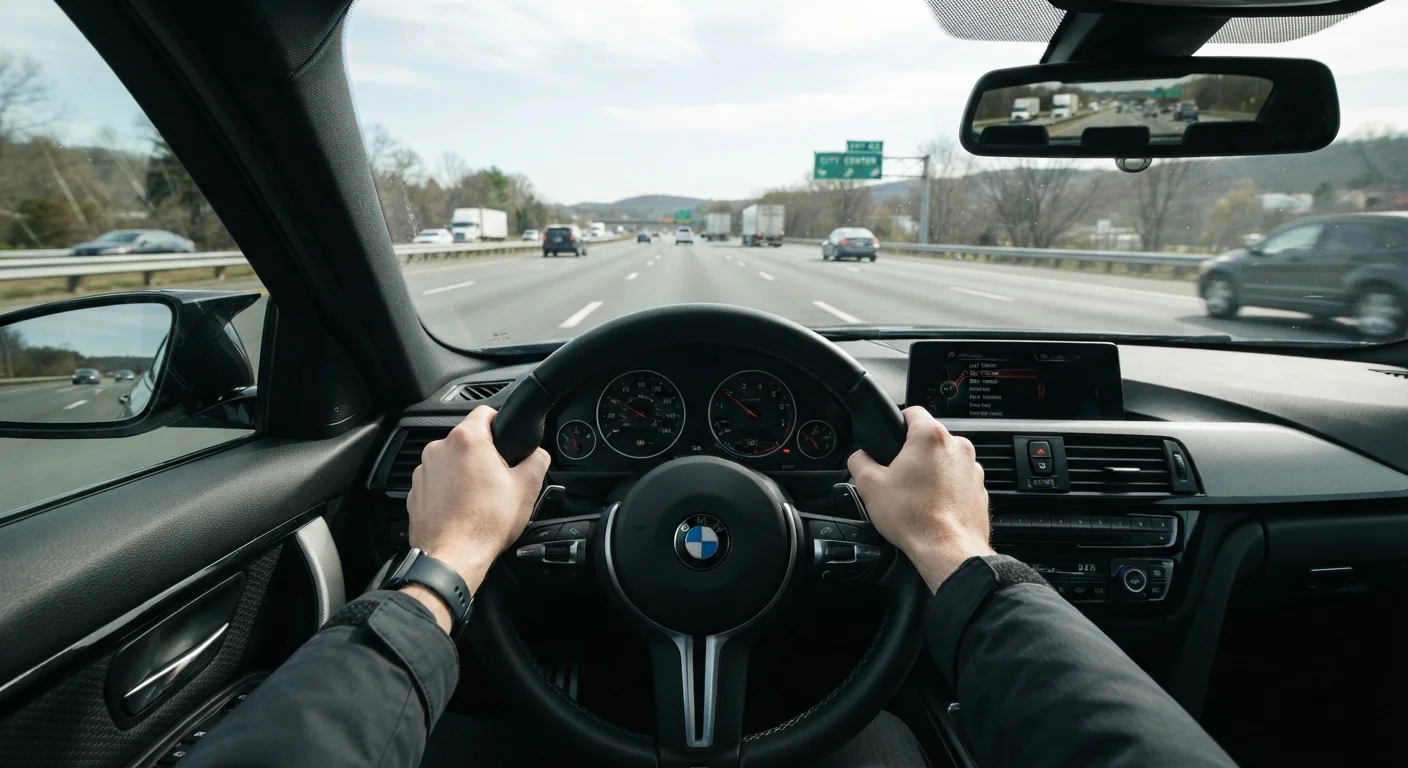
There's a reasonable assumption that more years behind the wheel means safer driving. In many ways, that's true - experienced drivers handle unexpected situations more calmly and read traffic more accurately. But experience also breeds a subtler problem: complacency. When driving becomes automatic, conscious attention erodes, and the disciplined habits learned early - the ones that actually prevent crashes - start to quietly fall away.
Research from the National Highway Traffic Safety Administration (NHTSA) consistently identifies driver behavior, not road conditions or vehicle failure, as the primary factor in most crashes. Many of those behavioral failures aren't rookie mistakes. They're the gradual shortcuts taken by drivers who've logged thousands of miles without incident and concluded - incorrectly - that they no longer need to be as careful.
The habits covered here aren't obscure techniques. They're foundational practices that veteran drivers know but have stopped using.
“The biggest risk factor for experienced drivers isn't what they don't know - it's the habits they've decided they no longer need.”
— AAA Foundation for Traffic Safety, Traffic safety research organization
The Habits That Slip - And Why They Matter
The following practices are among the most commonly abandoned by experienced drivers. Each one has a direct, evidence-supported connection to crash prevention.
Maintain a consistent following distance of at least three seconds in normal conditions
Rear-end collisions are among the most common crash types, and the majority occur because the following driver didn't have enough reaction time. Experienced drivers often close gaps unconsciously, especially in familiar traffic conditions, believing they can judge stops intuitively. That belief tends to hold - until it doesn't.
Use your turn signal every time - even when you think no one is watching
Signaling is both a legal requirement in every U.S. state and a core communication tool for other drivers and pedestrians. Veteran drivers frequently skip signals in quiet areas or when they believe no one is nearby, not accounting for cyclists, pedestrians entering from sidewalks, or vehicles approaching from out of view.
Do a proper shoulder check before every lane change, not just a mirror scan
Mirrors - even well-adjusted ones - don't eliminate blind spots. A shoulder check takes less than a second but catches vehicles that mirrors miss. Many experienced drivers convince themselves their mirrors are sufficient and stop doing it altogether. See our guide on blind spots and mirror coverage for a full breakdown.
Treat merging as a coordinated action, not an assertion of right-of-way
Highway merging requires reading traffic speed, adjusting your own speed to match, and finding a gap - not forcing one. Experienced drivers sometimes become entitled mergers, slowing to a stop at the end of an on-ramp or cutting aggressively across lanes. Either behavior raises crash risk for everyone around them. Our article on merging onto a highway correctly covers the full technique.
Put the phone completely out of reach before starting the vehicle
Experienced drivers overestimate their ability to handle brief glances at a phone while driving. Studies from the AAA Foundation for Traffic Safety indicate that cognitive distraction persists for up to 27 seconds after a driver sets a phone down - meaning even a 'quick check' at a light affects attention well past the intersection.
Actively scan intersections before entering on a green light
Green does not mean clear. Red-light running is a persistent problem on U.S. roads, and experienced drivers often accelerate through intersections without looking left and right first. A brief pause to confirm cross-traffic is stopping costs almost nothing in time and can prevent a T-bone collision.
Quick Habits to Rebuild Starting Today
Reclaiming abandoned habits doesn't require a driving course. Most can be restarted immediately with a small shift in intention. The goal is to make each habit automatic again - which means being deliberate about it until it sticks.
For a broader look at how routine oversights affect your vehicle beyond just safety, see our article on maintenance habits that shorten a car's lifespan. And if long highway stretches are part of your regular driving, understanding highway hypnosis and driver fatigue is worth your time.
Putting Awareness Back in the Driver's Seat
Familiarity with a route, a vehicle, or driving in general doesn't reduce risk - it just makes risk feel smaller. The statistics don't change because a driver has years of experience. Following distances still matter. Signals still matter. Shoulder checks before lane changes still matter.
Blind spots and mirror gaps are one area where experienced drivers often assume their setup is fine without verifying it regularly. Similarly, night driving hazards tend to catch veteran drivers off guard precisely because their daytime confidence doesn't translate.
Driving safely isn't about being a novice - it's about staying deliberate. The drivers who maintain that mindset over decades are the ones who stay out of accident reports.
Reset Your Habits on a Familiar Route
Pick your most-driven route and use it as a deliberate practice session once a week. Consciously signal every turn, shoulder-check every lane change, and count your following distance. Familiar routes are where habits erode fastest - and where rebuilding them has the most impact.