
Why Low-Water Landscaping Makes Practical Sense
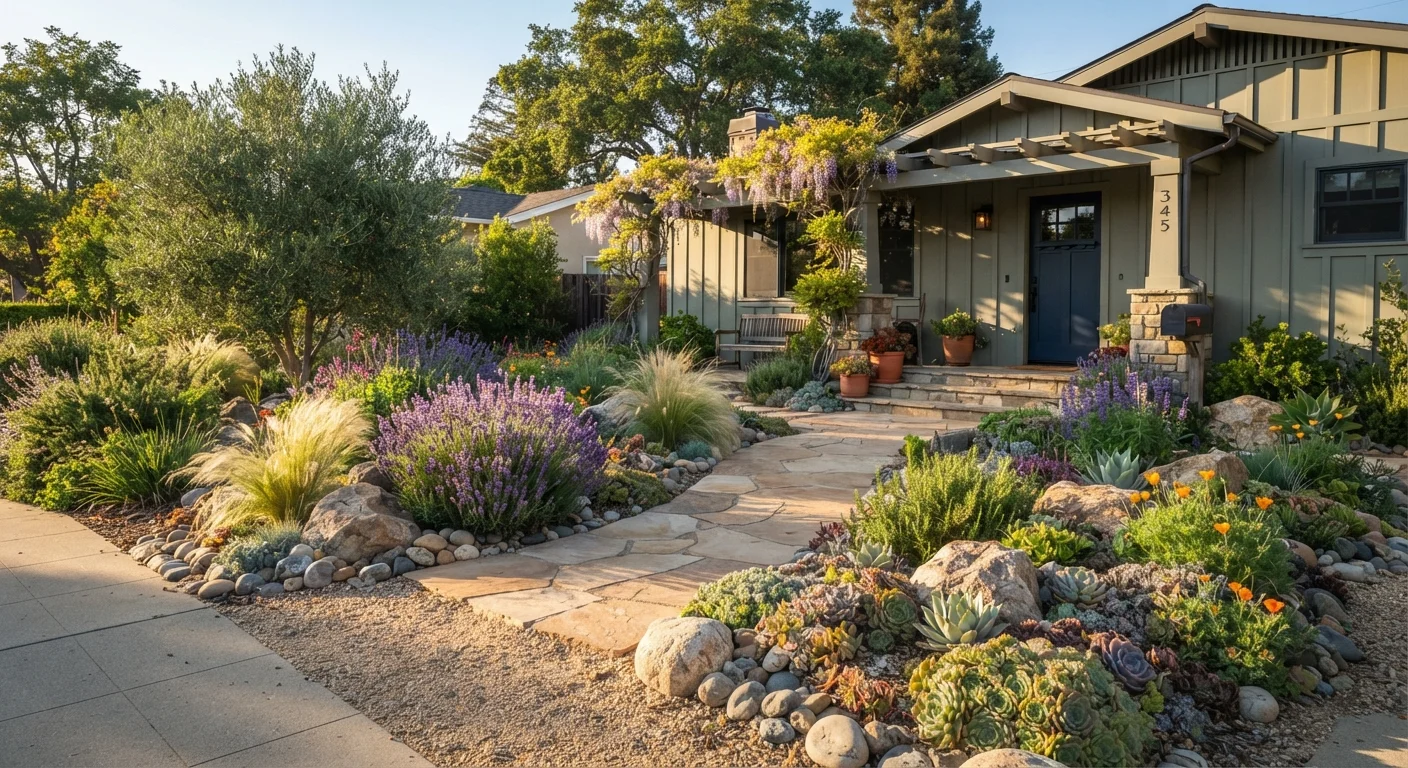
Outdoor irrigation accounts for a substantial share of residential water use in the U.S. - and in drought-prone regions, that pressure intensifies every season. Low-water landscaping, sometimes called xeriscaping (from the Greek xeros, meaning dry), is a design philosophy built around working with your local climate rather than against it. The goal isn't a barren yard of rocks and cacti; it's a landscape that's resilient, attractive, and genuinely lower-maintenance once established.
Whether you're dealing with summer watering restrictions, a high water bill, or simply a desire to garden more sustainably, these strategies give you a practical path forward. For readers curious how planting method affects water needs, see our comparison of raised beds and in-ground planting.
~30%
Share of US household water used outdoors
The U.S. Environmental Protection Agency estimates that roughly 30 percent of a household's water use goes to outdoor irrigation on average, with that figure rising substantially in arid regions.
50%+
Potential outdoor water savings with efficient landscaping
According to EPA WaterSense program estimates, water-efficient landscaping practices can reduce outdoor water use by 50 percent or more compared to conventional approaches.
Core Practices for a Thriving Low-Water Landscape
The following approaches work together as a system. Implementing even a few will move the needle; combining them compounds the benefit.
Improve your soil before planting anything new.
Healthy soil with good organic matter retains moisture longer, meaning plant roots can access water between rain events without relying on frequent irrigation. Sandy soils drain too fast; compacted clay soils shed water rather than absorbing it. Amending both types with compost creates a more hospitable middle ground.
Apply a 2-4 inch layer of organic mulch around all plantings.
Mulch dramatically slows evaporation from the soil surface, can lower soil temperature on hot days, suppresses weeds that compete for moisture, and gradually improves soil structure as it breaks down. It's one of the most cost-effective water-saving tools available to any gardener.
Group plants according to their water needs - a practice called hydrozoning.
Mixing high-water and low-water plants in the same bed forces you to either overwater the drought-tolerant ones or underwater the thirsty ones. Hydrozoning lets you give each zone exactly what it needs, eliminating waste and plant stress simultaneously.
Switch to drip irrigation or soaker hoses where possible.
Overhead sprinklers lose a meaningful portion of their output to evaporation and wind drift before it ever reaches plant roots. Drip systems deliver water slowly and directly to the root zone, maximizing efficiency and reducing fungal disease risk from wet foliage.
Replace high-water-use lawn areas with drought-tolerant ground covers or hardscape.
Traditional cool-season turf grasses are among the thirstiest plants in a typical residential landscape. Replacing even a portion of your lawn - particularly sloped or hard-to-mow areas - with low-growing ground covers or permeable hardscape can deliver noticeable water savings.
Capture and reuse rainwater where local regulations permit.
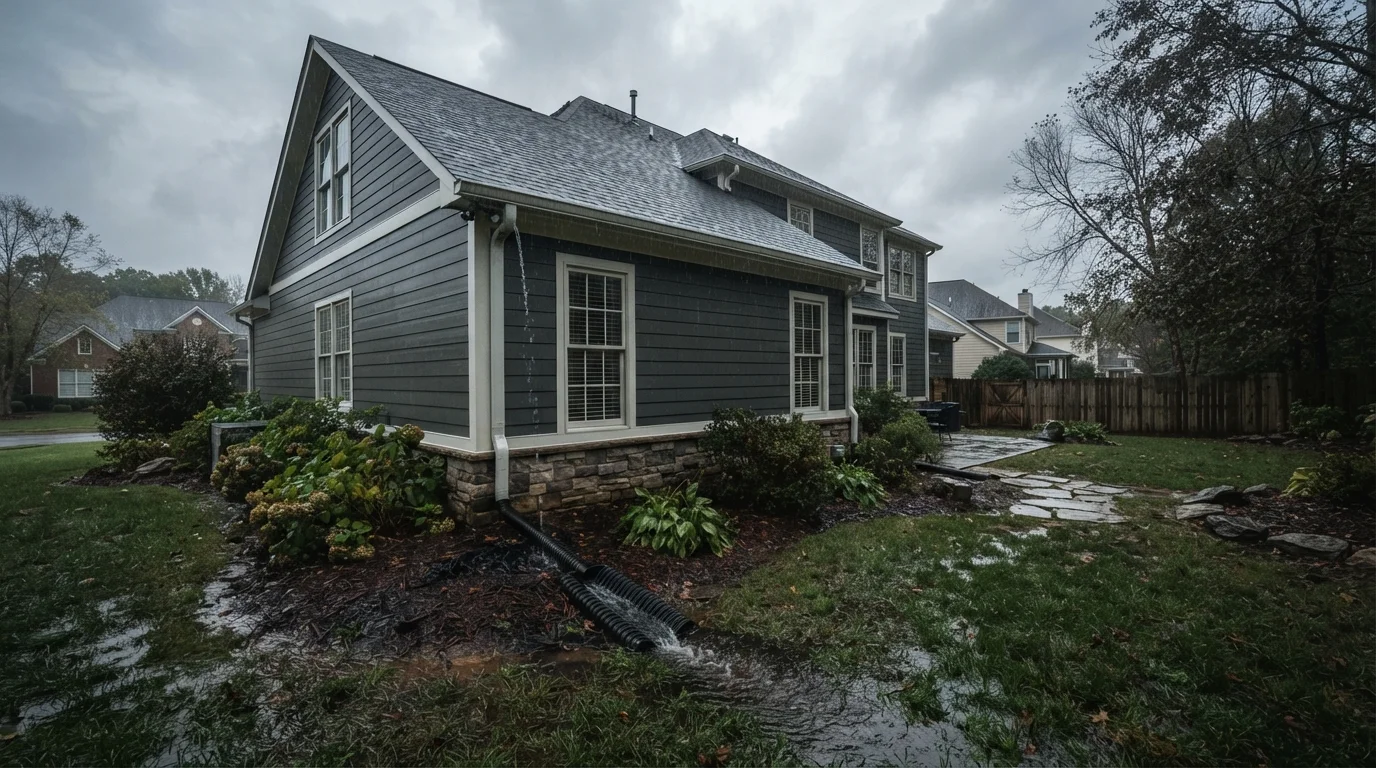
Rain barrels or cisterns collect runoff from roof downspouts and store it for dry periods. Even modest collection can supplement irrigation during rain gaps, reducing reliance on municipal or well water. Always verify local ordinances, as rainwater harvesting is regulated differently by state and municipality.
Quick Actions You Can Take This Weekend
You don't need to redesign your entire yard to start conserving water. These targeted steps deliver meaningful results without a major overhaul.
If you're curious about which of your existing watering habits may actually be working against you, our article on common watering myths is worth a read before making changes.
Choosing Plants That Do the Heavy Lifting
Plant selection is the single highest-leverage decision in a low-water garden. Native plants - those that evolved in your specific region - are naturally adapted to local rainfall patterns, soil types, and temperature swings. Once established (typically after one to two growing seasons), many require little to no supplemental irrigation.
Give New Plants Time to Establish
Even drought-tolerant and native plants need consistent moisture during their first one to two growing seasons while roots develop. Plan to water new plantings regularly at establishment, then taper off as the plants mature. Expecting zero irrigation from day one is a common reason drought-tolerant gardens struggle early on.
Beyond natives, look for plants labeled drought-tolerant or xeric at reputable nurseries. Ornamental grasses, lavender, yarrow, sedum, and many salvias perform well across a range of US climates with minimal water. For a deeper look at how native plant choices also support biodiversity, explore our guide on native plants and pollinators.
“The single most important step in water-wise gardening is matching plant to place. When you choose plants that are already adapted to your local climate and soil, you stop fighting nature and start working with it.”
— Cooperative Extension Horticulture Educators, University-based extension horticultural guidance programs across the US