
What Pressure Washing Actually Does
A pressure washer uses a motorized pump to force water through a narrow nozzle at high velocity. The result is a concentrated stream that can strip dirt, mold, algae, and even paint from a surface. Residential units typically range from 1,300 to 2,800 PSI (pounds per square inch), while professional-grade equipment can exceed 3,000 PSI.
The core appeal is speed and effectiveness. A surface that would take hours of scrubbing by hand can often be rinsed clean in minutes. But the same force that removes stubborn grime can also damage soft materials, force water into wall cavities, or strip protective coatings-outcomes that cause exactly the kind of hidden problems described in our guide to spotting hidden water damage.
Understanding what you're working with before you start is the single most important step.
Where Pressure Washing Genuinely Helps
Certain surfaces respond extremely well to pressure washing, and using it on them is a sound maintenance decision:
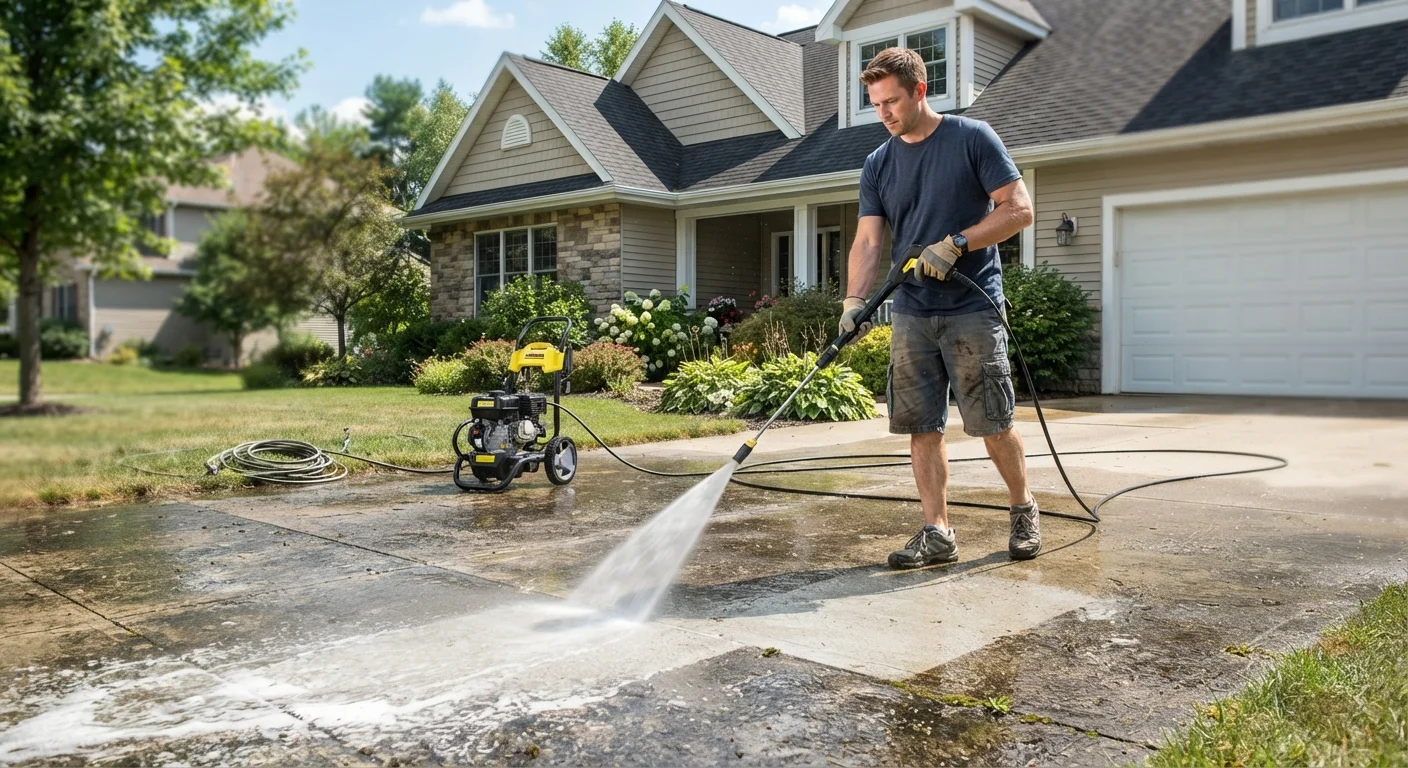
- Concrete driveways and sidewalks: Dense, durable concrete handles high pressure well. Removing oil stains, algae, and ground-in dirt helps prevent surface degradation over time.
- Brick and block patios: Solid masonry can tolerate moderate pressure (typically 1,200-1,500 PSI) effectively. Avoid crumbling or older mortar joints, which can be dislodged.
- Composite decking: Most composite deck materials tolerate gentle pressure washing with a wide fan nozzle. Always follow the manufacturer's guidance.
- Vinyl siding (with care): Vinyl siding can be safely washed at lower pressure settings-generally under 1,500 PSI-using a wide-angle nozzle aimed downward to prevent water from getting behind panels.
- Fences made of metal or vinyl: These shed water naturally and hold up well to moderate pressure.
Regular cleaning of these surfaces isn't just cosmetic. Algae and mold growth, if left unchecked, can accelerate surface breakdown and become a slip hazard on walkways. For a broader view of preventive maintenance, see our homeowner maintenance introduction.
1,500 PSI
Maximum recommended PSI for most vinyl siding
Industry guidance from pressure washing and contractor associations generally suggests staying below 1,500 PSI with a wide fan nozzle to avoid siding damage or water intrusion.
3,000+ PSI
PSI typical of professional-grade equipment
Professional units operating above 3,000 PSI are significantly more powerful than most consumer rentals and require greater training to use safely on residential surfaces.
Where Pressure Washing Can Cause Real Damage
The risks of pressure washing are frequently underestimated-especially by first-time users. Here's where caution is essential:
Wood siding and soft-grain wood decking are particularly vulnerable. High-pressure water can raise the grain, splinter the surface, and drive moisture deep into the wood-creating conditions favorable for rot. Similarly, painted surfaces stripped by pressure washing may expose bare material to weather damage before repainting is completed.
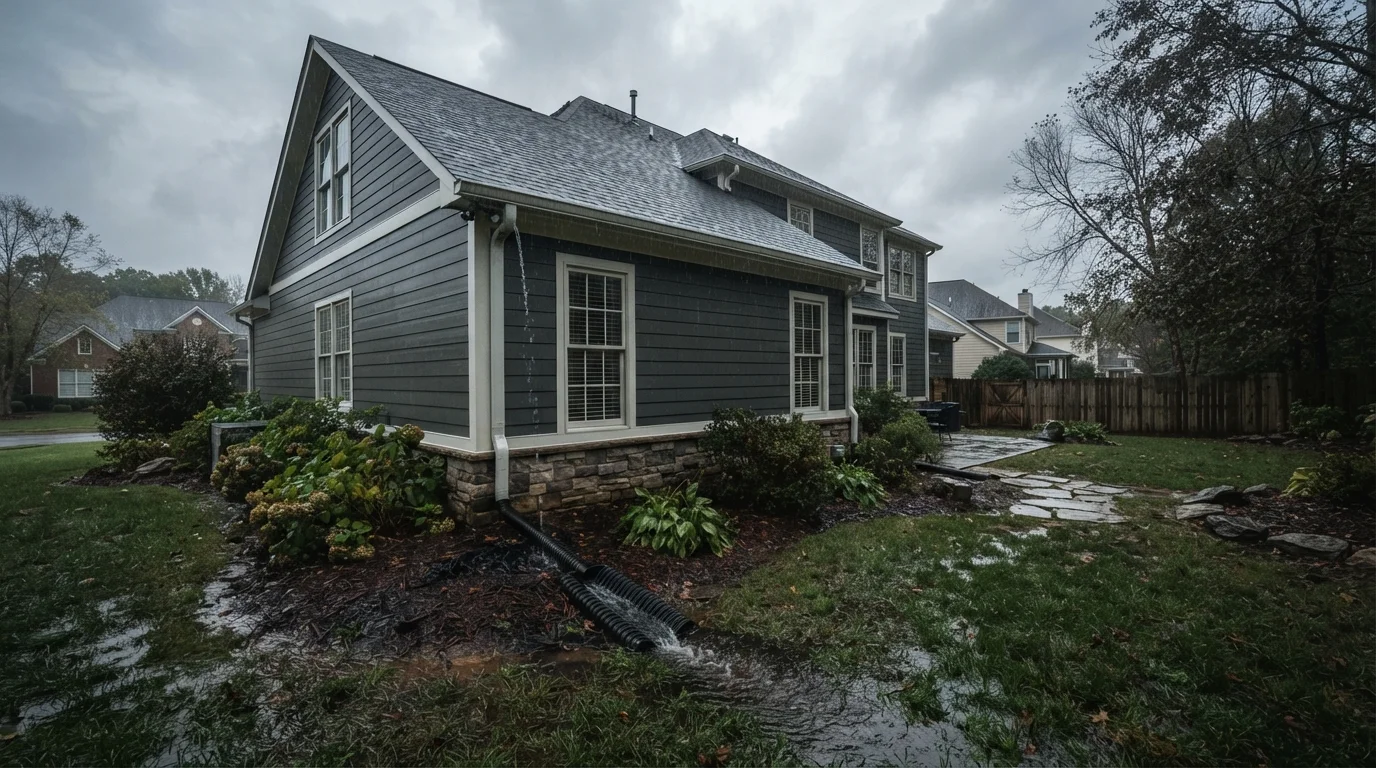
Window seals are another underappreciated risk. Directing a stream toward window frames can break the seal between the glass and frame, allowing water intrusion that's invisible until mold or rot develops inside the wall. This connects directly to the kinds of hidden damage covered in our water damage warning signs article.
One common misconception is that more pressure always means better results-a myth in the same category as other costly home improvement misbeliefs explored in our home improvement myths guide.
Practical Tips for Safer Pressure Washing
If you're using a pressure washer yourself, a few practices make a significant difference in outcomes:
- Match the nozzle to the surface. A 0° or 15° nozzle concentrates force and is appropriate only for concrete. Use a 25° or 40° nozzle for most other surfaces.
- Test before committing. Try a small, out-of-the-way area first and check the surface carefully before proceeding.
- Keep the wand moving. Holding the stream in one spot-even briefly-on wood or painted surfaces can gouge or strip them.
- Angle away from openings. Always spray downward or parallel to surfaces, never upward toward window frames, eaves, or siding seams.
- Know when to step back. Delicate surfaces, second-story work, or any job requiring a ladder alongside a high-pressure wand introduces significant fall and damage risk. Hiring a professional for those situations is a straightforward call.
Renting vs. Buying a Pressure Washer
For most homeowners, renting a pressure washer for one or two uses per year is more cost-effective than purchasing one. Rental units from hardware stores typically come in different PSI classes, so ask staff to help you match the unit to your intended surface. Purchasing makes more financial sense if you have large paved areas or plan to use the equipment multiple times per season. Either way, read the operating manual thoroughly before use.
If you're unsure whether a task is within safe DIY territory, our guide on DIY vs. professional maintenance tasks offers a practical framework for making that call.